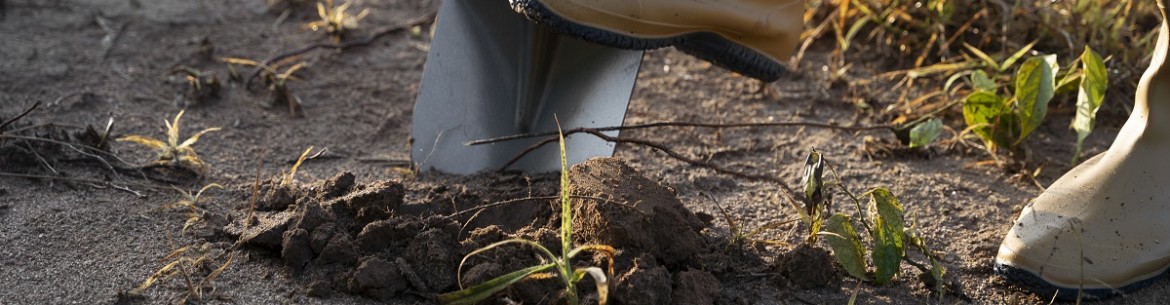
Digging the soil in autumn: is it necessary and how to do it correctly
Once the harvest is complete, it's time to start preparing the beds. Some gardeners wonder whether the soil in their beds is dug in the fall and how best to accomplish this task before winter sets in. Proper digging largely depends on the soil composition and the type of tools used.
Content
The benefits and necessity of digging in autumn
First, let's figure out what digging the soil in the fall can give.
Proponents of autumn digging of the plot explain this with a long list of advantages:
- Retains moisture. A dug-over, uneven area retains snow well. During the spring melt, the moisture won't run off the beds, but will gradually penetrate the soil loosened in the fall.
- Improves soil texture, allowing air to pass through and oxygenating the soil through the resulting voids. Loose, crumbly soil will make nutrients available to vegetables planted in the beds.
- Fertilizes the soil, thereby increasing its fertility. In the summer, many gardeners mulch their beds, using materials such as humus, dry grass, and peat. In the fall, the soil is usually fertilized with compost or manure. All these organic fertilizers decompose faster and better when exposed to oxygen. Digging helps air penetrate the soil. Mineral additives will mix well with the soil over the winter, and the organic matter will rot.
- Reduces weed growth. The roots of perennial weeds that appear on the surface of the beds after digging are collected and destroyed, or left as is: the weeds rot under the influence of winter frosts.
- Destroys pests. Adults and larvae emerge from dug soil. Some are eaten by birds, others are killed by frost.
The need for digging depends on the type of soil and the climate in the region.
If the soil in the garden bed is heavy, clayey, and uncultivated, there's no need to dig. However, loose, light soil can be easily loosened. Sandy soils only require spring tillage.
In southern regions, the soil is dry and does not require frequent digging, but in cold areas, digging is simply necessary because the soil, under the influence of natural conditions, becomes compacted and unsuitable for growing various crops.
Preparing for digging
Digging the plot should begin after the harvest is complete. First, clear the garden of tops and plant debris, and remove any stones from the surface. All work must be completed before the prolonged autumn rains, otherwise the soil will compact. In temperate climates, this work is carried out in the second half of September to early October. The soil should be dry at this time, but not overwatered or parched.
Not all gardeners believe autumn digging is necessary, and they wonder: is it possible to skip the autumn digging? But if your soil is clayey, loosening it is essential.
Now let's talk about digging the ground in the fall and weigh the pros and cons.
Benefits of autumn processing
In the fall, avoid breaking up clods of soil, as they trap meltwater. Turning over large clods of soil exposes pests and weed seeds to the surface and is killed by frost.
Garden beds need to be dug over to remove weeds. Digging also damages small rodent burrows.
Disadvantages of digging in autumn
Earthworms live in the upper layers of the soil. They move around, creating tunnels through which water and air flow to the plants. During digging, these tunnels are destroyed, and the earthworms burrow deep into the soil and die there.
Besides:
- humus is not formed;
- the upper fertile layers fall into the depths along with weed seeds, which germinate in the spring;
- It will take a long time to restore the microflora and structure of the soil.
Proper digging technique
There are two methods of digging:
- dump;
- moldboard-less.
The first method requires turning the soil over. This kind of digging helps remove weeds and pests.
With the second method, the layers are not moved, thus preserving the soil microflora.
A large area can be processed using a motor cultivator or a tractor with a plow.
A regular shovel or pitchfork is used for manual digging. Using a garden fork will not harm earthworms or damage the root system of perennial weeds, as they are easily pulled out of the soil intact. The rootlets cut with the shovel remain in the soil, where they will sprout in the spring.
The depth of digging depends on what kind of plant you will be growing in this particular bed.
- For potatoes, carrots, beets, melons, and pumpkins, a depth of at least 25 cm is required.
- For cucumbers, tomatoes, and legumes, 10–15 cm is enough.
Keep in mind that deeply dug soil can accumulate a lot of moisture over the winter and, therefore, take a long time to thaw. Therefore, loosen the soil shallowly in beds for early radishes and other cold-hardy crops so they dry out as quickly as possible after the snow melts.
Adding organic fertilizers
Many gardeners don't know how to fertilize the soil in the fall when digging up the plot.
Before deep tilling or digging, spread the fertilizer evenly over the soil surface. You can even add fresh manure under cucumbers or pumpkins.
In other cases, humus or compost is added to the soil, because root crops with nightshade crops do not tolerate fresh organic fertilizers.
Fresh manure can be applied no more than once every three years. The amount depends on the soil's fertility; on poor soil, you can double the amount.
As a rule, rotted soil is added to 1 square meter of soil:
- horse manure (3 kg);
- mullein (5 kg);
- chicken manure (1 kg).
Instead of manure, you can add compost in the amount of 5–6 kg / 1 sq. m.
Caring for the soil after digging

Autumn digging is carried out between September 15th and 20th. Infected potato tops are removed and burned. The ash can be scattered over the plot. The soil in the infested area should be loosened with a rake to allow the weeds to germinate. After about a couple of weeks, the soil is plowed, removing the roots of couch grass and dandelions. If the beds are heavily infested, they are dug with a pitchfork.
If the soil is overdried, it must be watered after digging and then covered with mulch.
Alternative approaches to autumn tillage
Many gardeners get tired of working in their plots after the summer and often ask if they can avoid digging the soil in the fall. One such method can be used in the fall.
- Remove any remaining plants from the area you don't plan to dig, then take a rake and use it to level the beds.
- In the fall, spread a small amount of composted manure on the cleared bed, then cover it with organic mulch or compost.
- In the spring, add compost to the bed again, and then you can plant.
- Throughout the following season, grow a variety of crops in the bed. This way, in addition to the main plant, predecessors and catch crops can be grown there.
The last will be green manure: mustard, lupine and others.
By autumn, the “green manure” should grow, then it must be cut, covered with rotted manure and mulch and left in the garden bed.
Don't allow green manure to go to seed; it must be cut off promptly. Otherwise, the beneficial plant will turn into a weed that could overtake the garden.
Almost all gardeners know that a successful harvest depends not only on proper agricultural practices when growing plants, but also on proper soil care in the fall. If these steps are carried out correctly, the soil will create favorable conditions for all plants to thrive. This will improve air and water flow, reduce weed growth, and reduce pest and disease infestations.