Fitosporin for apple trees
Fitosporin is a universal fungicide that combats many fungal and bacterial diseases affecting vegetable, fruit, and berry crops. The product is used not only for direct treatment of diseases but also for prophylaxis and prevention of re-infection. It is especially often used on apple trees. Fitosporin-M helps against apple scab, powdery mildew, rust, and even apple canker.
Content
Brief description of Fitosporin
Fitosporin belongs to a group of biological fungicides. It contains Bacillus subtilis strain 26D, or, in simpler terms, hay bacillus. These microorganisms are ubiquitous in soil and dust, and are obtained (in the laboratory) from hay extract, as the name suggests.
In natural conditions, Bacillus subtilis helps maintain microflora balance, protecting plants from disease. In exchange, bacteria receive carbohydrates, which they need to sustain their life. But Bacillus subtilis's main benefit is its suppression of various pathogenic fungi and other harmful microflora.
This is why treatment with Fitosporin solution is so effective at any stage of infection: the bacteria in the solution inhibit the activity of pathogenic flora, which reduces the development of the disease to zero.
Composition of Fitosporin and its mode of action
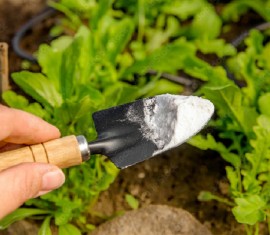
Fitosporin-M is a natural biological fungicide. This means it contains only live bacteria and Bacillus subtilis spores. These microorganisms tolerate both drought and heat, as well as frost. For best results, it is recommended to use Fitosporin in combination with chalk, Gumi, and other similar compounds that have a beneficial effect on plant roots.
If you use a spray solution, it is better to do without such additives.
Why use Fitosporin for apple trees?
Fitosporin is a universal fungicide, suitable for virtually all popular crops found in gardens and vegetable patches. Treating apple trees with Fitosporin can help eliminate powdery mildew, scab (which can develop resistance to other chemicals), and various rots. Fitosporin can even combat apple rust.
Fitosporin belongs to hazard class 4—low hazard—so it can be used on apple trees even during the ripening period. However, it's important to maintain a 10-14 day interval between treatments.
Instructions for using Fitosporin for apple trees
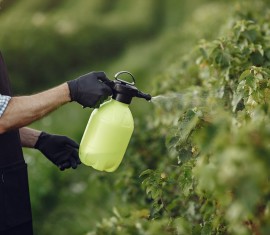
Most experts recommend using the standard Fitosporin treatment protocol. Spraying with the compound should be done at least twice (for preventative purposes):
- during the leafing out period;
- during the appearance of the first ovaries.
To prepare the solution, take 5 grams of the powder and dissolve it in 10 liters of water. However, if you are treating a specific condition, it is recommended to consult the instructions for the product, which provide the basic dosages for the most common conditions.
Basic rules of use
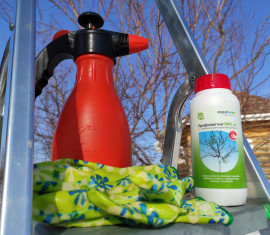
The main rule when using Fitosporin is to wear personal protective equipment and dilute the product correctly. The solution can be used for root watering, spraying plants, and disinfecting seeds and seedlings. The instructions will tell you how to dilute Fitosporin for apple trees correctly.
In addition, there are several other important nuances to consider before starting processing:
- Water quality. Regular water should not be used to prepare the preparation, as it often contains high levels of chlorine. Chlorine neutralizes the beneficial microorganisms that make up Fitosporin. It's best to use well water, melted snow, or rainwater. Boiled water is also acceptable.
- Preparation time. If you're using the powder version of the product, don't use the solution immediately after preparation. The bacteria need to activate and begin working, so wait a couple of hours. If you're using a paste, you'll need to wait 2-3 days. The liquid version is ready to use immediately; simply dilute it with water in the required proportions.
- Using additives. To ensure the solution adheres securely to foliage and shoots, add a small amount of liquid soap to the solution. 1 ml of soap per 10 liters of water is sufficient.
- Weather conditions. Both foliar and root treatments can be performed under any conditions. However, if you use Fitosporin on apple trees in the summer, keep in mind that the bacteria are sluggish in bright sunlight, and sudden precipitation will immediately wash the compound off the plant. Therefore, apply the treatment either in the morning or evening, and only if no precipitation is expected in the near future.
- Calculating the dosage. Before diluting the next portion of the solution for treatment, consider whether you can use the entire solution at once. When diluted, Fitosporin has a very short shelf life.
Consumption rates
The application rates of Fitosporin may vary depending on the form of release, the type of disease, and the frequency of treatments.
Powder
The powder version of Fitosporin is one of the most convenient, as it is suitable for both therapeutic and preventative treatment.
The product should be diluted approximately 1.5–2 hours before using the working solution. The diluted powder version has a shelf life of up to 6 hours. For preventative spraying during the summer, a solution of 5–10 g of powder per 10 liters of water is suitable.

Paste
Fitosporin paste contains a large amount of humic compounds, so the paste-based solution lasts somewhat longer than the powder. This form of the product is most effective when used to boost plant immunity. It is less effective as a therapeutic agent.
Diluting the paste is quite simple: first, dilute a 100g sachet in 200ml of water. This concentrate can then be used throughout the season. For treatment, dissolve 6-10ml of concentrate in 10 liters of water. Thus, one sachet is enough for 200-300 liters of water (enough to spray approximately 2-400 square meters).
Liquid form
The liquid version of the product is used primarily for foliar spraying. It can be used not only on garden crops, but also on houseplants and for treating harvested crops. Several variations of liquid Fitosporin are available, each designed for use in specific conditions.
Typically, liquid Fitosporin is diluted at a rate of 10 drops per glass of water (this is approximately 200 ml).
Security measures
According to the manufacturer, Fitosporin inhibits only pathogenic flora, so it poses no danger to humans or pets. The product can be applied during both flowering and fruiting periods. Fruit can even be eaten on the day of application.
However, don't rely on chance. When using the drug, ensure you wear personal protective equipment, and do not smoke, eat, or drink while in contact with the drug.
If Fitosporin comes into contact with your skin or mucous membranes, immediately rinse the affected area thoroughly with water. If the compound enters the digestive tract, immediately drink 3-4 glasses of water, induce vomiting, and take several tablets of activated charcoal.
Storage
Store the undiluted product in a dry place. Store at a temperature between -20 and +30 degrees Celsius. Keep away from food, drinking water, and medications, out of direct sunlight, reach of children, and pets.
Fitosporin has long established itself as the safest and most versatile broad-spectrum fungicide. It is used for both therapeutic and preventative treatments of plant crops.