Tobacco Dust: Applications in Gardening and Its Results
Content
What is tobacco dust?
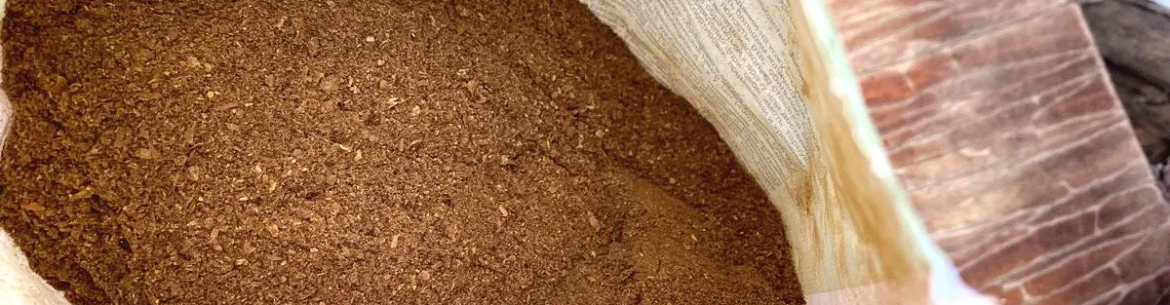
Recently, most gardeners have been opting for natural, environmentally friendly materials. One such material is tobacco dust, a brown powder formed during the tobacco production process.
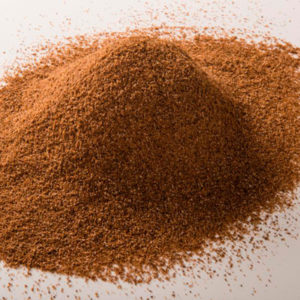
This product not only helps effectively get rid of pests, but also acts as a fertilizer for plants.
Tobacco dust is a storehouse of useful elements, it contains:
- up to 7% nitrogen;
- magnesium;
- 2% phosphorus;
- up to 3% potassium.
The use of tobacco dust in gardening involves adding it to the soil during digging, preparing decoctions and infusions to combat harmful insects, and fumigating greenhouses and hotbeds in preparation for winter.
What crops is it suitable for?
Tobacco dust is suitable for treating many cultivated plants: cucumbers, tomatoes, cabbage, currants, gooseberries, and raspberries. It is also widely used to control pests in flower beds with bulbous flowers, such as dahlias, irises, lilies, and daffodils.
How is tobacco dust used in gardening?
Tobacco dust is used in gardening for a variety of purposes due to its unique chemical composition.
The product significantly improves the quality and structure of the soil and simultaneously provides effective protection against pests.
Fertilizer
Acting as a fertilizer, tobacco helps increase soil biological activity, crop yield, and the quality of ripened fruit. When using tobacco dust, several rules must be followed:
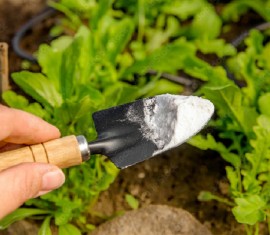
- Apply the preparation in the spring during soil digging at a rate of 4 g/m2. Combine it with nitrogen-containing fertilizers.
- Pour ½ kg into each hole when planting fruit and berry crops.
- Before preparing for winter, combine tobacco powder with phosphorus components.
Tobacco dust promotes vigorous growth and long-lasting blooms in ornamental flowers. It also effectively protects plants from pests.
Application against pests
 The use of tobacco dust in gardening against pests allows you to get rid of:
- fleas;
- spider mite;
- flies: onion and cabbage;
- aphids;
- copperheads;
- leaf rollers, etc.
In addition, tobacco clears garden plots of slime, caterpillars, codling moths, and ants. There are several techniques for using this product.
Dusting with tobacco dust
Tobacco can be used as a dusting agent for plants, either in its pure form or in combination with ash or lime. Plants are dusted with the powder at least twice during the growing season at a rate of 30 g/m.2The interval between treatments is two weeks. In rainy weather, repeat treatment is necessary, regardless of the time elapsed since the first powdering.
The dusting method is especially suitable for seedlings and low-growing plants.
Tobacco dust decoction
Tobacco dust is widely used in gardening to prepare pest control infusions. The process consists of several steps:
- Pour 10 liters of water over ½ kg of tobacco.
- Place on heat and bring to a boil, then simmer for 30–40 minutes.
- Add the boiling liquid as it cooks to restore the original volume.
- Let the prepared decoction steep for 24 hours.
Before treatment, strain and dilute with water in a ratio of 1:3. For better adhesion to plant leaves and shoots, it is recommended to add 100 g of soap shavings or 100–150 ml of liquid soap to the product.
Tobacco infusion
An infusion based on tobacco dust can be prepared in several ways:
- Dissolve 40 g of powder in a bucket of water, let it sit for 3-4 days, then strain and dilute with liquid soap.
- Mix 250 g of tobacco and ash, then brew with 1.5 liters of boiling water. Before using, strain the liquid, add ½ liter of water and 2 tablespoons of green soap.
- Dilute the powder in cold water at a ratio of 1:10. Then bring to a boil and let it steep for 2-3 days. Before use, strain the powder, dilute it with water (1:3), and mix with 2 tablespoons of liquid soap.
The recommended frequency of treatment with tobacco infusion is twice per season. The autumn treatment should be performed two weeks before harvest.
Fumigation
Fumigation is typically carried out before flowering to avoid disturbing pollinating insects. Outdoor fumigation is performed as follows:
- Firewood or wood chips are set on fire in a metal container.
- As it burns, add tobacco dust.
- A bucket with the contents is placed near garden crops affected by pests.
For effective results, treatment should be carried out for 2 hours, taking into account wind direction. The amount of tobacco dust used should be at least 10 g per 1 m.2 sown area.
Fumigation in greenhouses is carried out in a similar manner 3 days before planting agricultural crops.
Precautions for use
Despite the absolute safety of tobacco dust, its use requires compliance with a number of rules:
- Use rubber gloves, a mask or a respirator when working with the powder.
- Prepare decoctions or infusions in glass, metal or porcelain containers that are not intended for subsequent storage of food products.
- When fumigating greenhouses and hothouses, exclude the presence of people or animals in the room.
- When handling liquid forms of the preparation, wear a gas mask, raincoat and rubber boots.
- Store dry tobacco dust in a tightly sealed container.
Absorption of tobacco dust into the skin increases the risk of tobacco addiction.