Nitrafen: Rules for use in the garden and vegetable garden
With the onset of warm weather, when plants begin their growing season, harmful flora becomes active. After successfully overwintering in the soil, dry fallen leaves, and the bark of fruit trees, various pathogens are ready to attack crops with renewed vigor. Domestic farmers are increasingly choosing to spray their gardens with insecticides and, in particular, Nitrafen, instead of single-agent products. With its comprehensive action, this product can effectively neutralize pathogenic microflora. The product is also used prophylactically in early spring to rid fruit plants of pathogens and many harmful insects.
Content
Composition and properties of Nitrafen
The drug is obtained by nitration of phenols obtained from coal tar.
The composition of "Nitrafen" contains the following active ingredients:
- liquid (25–35%);
- alkylphenols (65–75%);
- oxyethylated alkylphenols (up to 3%).
The product is available as a thick, dark-brown mass. Nitrafen has a distinctive odor. It dissolves easily in liquid. Plants can be treated at any time.
Description of Nitrafen and methods of its use
"Nitrafen" is a complex action drug with the following properties:
- insecticide (protection against harmful insects);
- herbicide (weed control);
- fungicide (protection of crops from infections).
The preparation can be used to treat fruit and berry plants, such as:
- currant;
- raspberry;
- strawberry;
- gooseberry;
- apple;
- peach;
- pear and others.
Pros and cons of use
Nitrafen has several advantages:
- The product has a long-lasting effect – two treatments per season are enough for treatment.
- Effective prevention and protection not only from infections, but also from pests and weeds.
- Relatively low consumption rate.
- The drug is inexpensive.
- Compatible with many other drugs.
- Versatility of use: can be used for cultivating soil in the garden, as well as for fruit and berry plants.
Disadvantages of Nitrafen:
- Toxicity. This product is considered a poisonous substance, so be sure to follow safety precautions when using it.
- This substance is highly hazardous to the environment. It can negatively impact ecosystems, so caution should be exercised when handling it, avoiding spills into water bodies.
- Risk of persistence in the body. When using Nitrafen on fruit and vegetable crops, there is a risk of residues persisting and accumulating in the food, which could be harmful to humans.
Using Nitrafen in the garden
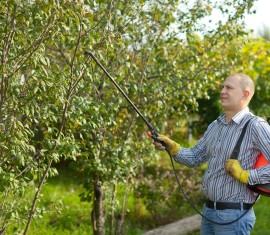
Gardeners use Nitrafen in gardening to treat trees, shrubs, and berry bushes (strawberries). A solution is prepared from the substance (200–300 ml) and water (10 l). For severe pest infestations, the dose is increased approximately 3–5 times.
According to the instructions, Nitrafen is used to treat a garden plot at the following times:
- early spring (need to do it before the buds open);
- in mid-autumn (after the leaves have fallen).
It is not advisable to apply the preparation in late spring, summer or September, as the solution may cause burns to leaves, stems or flowers.
Dilution of the drug
Garden treatments with Nitrafen are carried out according to general guidelines. To prepare the correct working solution, you need:
- First of all, measure out the required dose depending on the volume of the solution and its concentration.
- Dilute in a small amount of liquid and stir well.
- Add water to the required amount and stir.
- Pour the solution into a container for spraying or watering.
During the treatment period and for three days afterward, it is necessary to exclude bees from the treated area.
Using Nitrafen in the garden
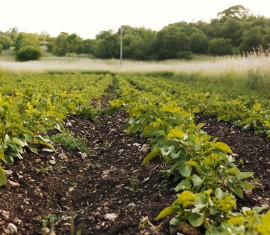
This product is effective for controlling weeds and harmful insects in the garden. Nitrafen is widely used on many plants, including vegetables, berries, herbs, and more.
The product is primarily used to prevent weed growth and to cultivate the soil before planting crops. Nitrafen is applied to beds or dug-up areas, helping suppress weed growth and provide optimal conditions for crop development.
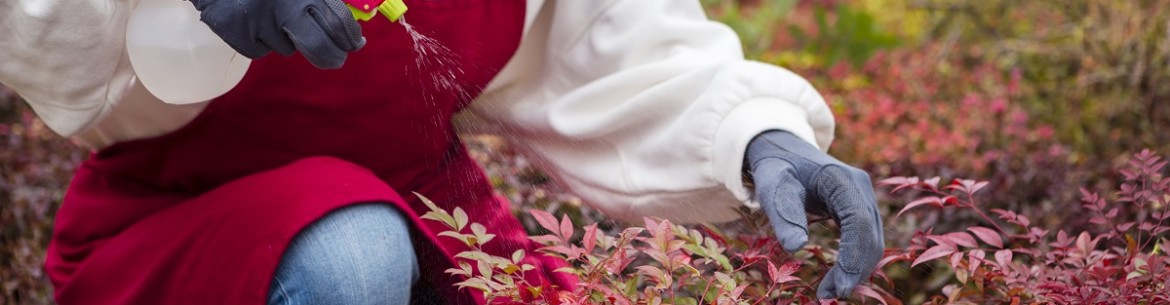
However, using the product in a garden requires strict adherence to certain safety precautions. During the procedure, wear protective equipment, such as rubber gloves, a mask, and protective clothing. It's also important to read the instructions and adhere to the recommended dosages to avoid negative effects on crops and harm to the environment.
The benefits of using the product in your garden include the ability to kill weeds and pests, achieve higher yields, improve plant quality, and make gardening easier. It's also used to treat certain diseases, such as fungal infections, helping to maintain plant health.
It's also important to consider the product's compatibility with other products. When using chemicals together, pay attention to certain potential reactions. Experts recommend conducting preliminary tests in a small area of the garden to assess the compatibility and effectiveness of the combined use.
If the use of Nitrafen is not possible, you can use alternative means of controlling weeds and pests on the site.
Recommendations for use
The product is primarily recommended for use during early spring treatments, as it effectively kills pests that overwinter in the garden. Early treatment prevents pests from laying eggs, thereby significantly reducing insect populations.
In autumn, Nitrafen is usually used as a final treatment for trees and bushes, and is also used to disinfect fallen leaves and plant debris.
Compatibility of the preparation with other fertilizers
Nitrafen can be combined with many fungicides, herbicides, and insecticides. Therefore, it is used in tank mixes or as a separate application, spaced several days apart. Nitrafen dissolves readily in water and alkalis without forming a precipitate.
The procedure is recommended to be performed on calm, cloudy days. During treatment, exercise caution: avoid allowing drops of the solution to come into contact with exposed areas of the body.
Never pour any remaining solution down the drain. It's best to prepare the solution for single use only.
Application of Nitrafen for various plants
- For fruit trees, prepare a 3% solution; several buckets are used for treatment. For one mature plant, 10–30 liters of solution is needed. Watering is performed at the roots. For a young tree, one bucket is enough, and for a seedling, 5 liters.
- A 2% solution is used for grapes. The solution consumption rate is 2-2 liters per 10 square meters of planting. A 3% solution can also be used. Apply the solution once or twice in early spring. Water twice if the plantings were heavily attacked by insects the previous summer.
- The product is also used for other berry crops. Raspberries and other berries are treated in early spring. The solution is prepared at a 2-3% concentration, with a consumption rate of up to 1.5-2.5 liters per 10 square meters. In this case, not only the soil is watered but the bushes are also sprayed.
If aphids are attacking your plants, apply the product to raspberries and strawberries before flowering and again after harvest. The concentration is increased to 10%, while the application rate remains the same.
Precautions when working with Nitrafen
During processing, it is necessary to follow certain rules in order to avoid harming your health and others.
- Carry out the treatment on a dry, windless day, as the flying product can be harmful to those around you.
- Use a disposable plastic cape while working.
- Protect your respiratory system with a respirator.
- Protect your hands and feet with gloves and rubber boots.
- To prevent the solution from getting into your eyes when spraying, use safety glasses.
- Do not smoke while spraying.
- After finishing work, take a shower and rinse the garden sprayer.
Nitrafen is a powerful product. It can kill dangerous pests and combat many infections. It provides long-lasting protection for fruit-bearing trees, shrubs, and vegetables. To avoid damaging garden plants, dilute according to the instructions.