What is diatomaceous earth and how to use it in the garden: important tips
Gardeners use diatomaceous earth throughout the gardening season. This additive not only helps improve soil health and quality, but also increases crop yields, eliminates pests, and prevents the development of numerous diseases. Most importantly, this material is completely harmless to worms and beneficial microorganisms living in the soil, so its use in gardening is completely safe for the soil, plants, and harvest.
Content
What is diatomite?
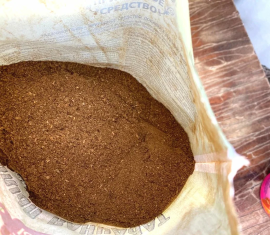
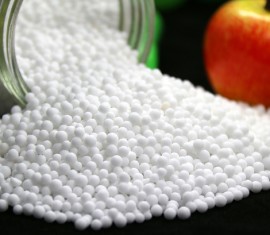
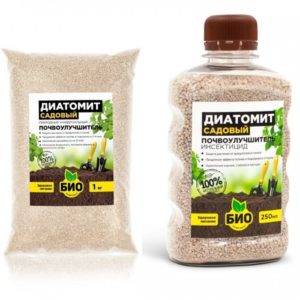 Diatomaceous earth, also known as rock flour, kieselguhr, or diatomaceous earth, is a sedimentary rock, a type of mineral composed of silica shell deposits left by diatoms.
Its high porosity makes this material extremely moisture-absorbing. Furthermore, almost 85% of its composition is amorphous silicon, which is easily and quickly absorbed by plant roots.
It also contains calcium, magnesium, boron, and other microelements essential for plant health. Due to this rich composition, diatomaceous earth is used as a dietary supplement in plant growing in many countries.
Garden diatomaceous earth is a unique soil improver, valued primarily for the following properties:
- helps retain moisture and nutrients (then release them to plants over time as needed);
- improves the composition of the soil, makes it lighter, more porous and permeable;
- stimulates growth, root formation, flowering and fruit setting (since it contains a large amount of silicon);
- makes plants more resistant to stress and temperature changes;
- is a natural insecticide;
- destroys pathogenic microflora in the soil (but does not have a negative effect on worms and beneficial microorganisms);
- normalizes soil acidity levels.
Why is it important to add diatomaceous earth to the soil?
- The supplement is valuable primarily for its abundant silicon content. Silicon is an essential nutrient for all living organisms (plants are no exception). Silicon helps form cell walls and strengthen tissues.
Moreover, plants that receive sufficient silicon are much better able to absorb other nutrients necessary for their normal growth and development, such as potassium, boron, and phosphorus.
- Diatomaceous earth makes plants stronger, more resilient, and more resilient to temperature fluctuations and weather changes. It is an excellent preventative measure, protecting crops from many dangerous diseases and insect pests. Furthermore, the material neutralizes the harmful effects of pesticides and increases the thickness and strength of leaf blades.
- Adding diatomaceous earth also has a beneficial effect on crop quality. The material not only stimulates photosynthesis but also improves the quality of the harvest, increasing the nutritional value of the fruit.
- Interestingly, silicon is one of the most common nutrients, making up about a third of the Earth's crust. However, in nature, it's mostly present in a form inaccessible to plants, making it virtually impossible for flora to absorb. Furthermore, with each new harvest, silicon is removed from the soil, depleting it. Therefore, it's important to monitor the situation and use fertilizers containing this element. Fertilizers containing sufficient silicon are recommended for garden beds, such as diatomaceous earth, ash, leaf mold, etc.
During the gardening season, it's a good idea to water your plot with herbal infusions. Nettle, wormwood, dandelion, and horsetail are all suitable—these herbs contain a high percentage of silicon.
For what crops is it used?
 Garden diatomaceous earth is suitable for all types of garden crops. This additive is also used for many indoor plants. It is recommended to add the material to the soil when planting seedlings (in a 1:5 ratio), as well as to the planting holes when transplanting and planting outdoors. Some use the component as a drainage agent and slow-release fertilizer. The properties and applications of garden diatomaceous earth for seedlings are virtually identical to those for outdoor use.
Diatomaceous earth can be applied throughout the season to both garden beds and flower beds, and then again during loosening (work the material into the soil to a depth of 5–6 cm for effective soil absorption). Gardeners also note that the material performs well in protected soil, where crops often suffer from drought and pest infestations.
With long-term use of the material, a general improvement in the condition of crops and soil is observed; plants suffer less from chlorosis, feel better during temperature fluctuations, and produce a richer and tastier harvest.
Diatomaceous earth can also be used between rows. Simply sprinkle it along the perimeter of raised beds or along the greenhouse foundation, where the soil dries out the fastest.
What pests does it help against?
Diatomaceous earth works great against virtually any pest that might infest your garden. If you discover a large anthill, sprinkle diatomaceous earth powder onto the area where the pests are concentrated, then loosen the soil. No need to water!
 Diatomaceous earth attacks pests mechanically rather than chemically: the microscopic granules of the material have sharp edges that can damage the outer layer of the insects' chitinous shell and absorb lipids. Insects die not so much from damage as from dehydration.
Diatomaceous earth can also be used to control other pests:
- aphids;
- slugs;
- snails;
- thrips, etc.
The use of diatomaceous earth does not harm worms or other beneficial organisms living in the soil.
What diseases does diatomite combat?
Even in small quantities, diatomaceous earth helps protect plants from the adverse effects of heat and drought. This is thanks to the material's unique moisture-absorbing and porous structure, which allows it to retain moisture for a long time and release it to crops when needed.
In addition, diatomaceous earth helps:
- reduce the amount of nitrates and heavy metals in the soil;
- protect plants from the development of chlorosis;
- prevent the appearance of mold and mildew.
The principle of action of diatomite
Perhaps the most interesting aspect of diatomaceous earth is its ability to control pests. Each particle of the material clings to the insect's body. The sharp edges rip the protective chitinous surface of the body (which retains moisture within the insect's body), thereby facilitating rapid evaporation. Furthermore, the moisture-absorbing particles themselves draw water from the pest's body, causing the insect to quickly die from dehydration.
How to apply diatomaceous earth to soil: instructions
The instructions for garden diatomaceous earth suggest different methods of using this product. Each method has its own specific characteristics, so it's recommended to follow the instructions to avoid any unpleasant consequences:
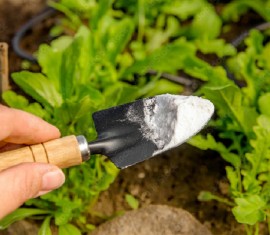
- Using a small garden trowel or scoop, scatter the powder granules near anthills, along ant trails, and next to burrows. It's important to do this in clear, windless weather, not before or after rain.
- Tree trunks can be treated with a diatomaceous earth solution. To prepare the solution, dilute 1/3 tablespoon of the powder in a liter of water.
- If pests have attacked fruit bushes, you can treat the leaf blades of these crops with diatomaceous earth powder.
- A solution of mountain powder in water will help get rid of the Colorado potato beetle. Dilute the solution strictly according to the instructions on the package.
- If you need to treat greenhouse beds with powder, you should scatter the material over the surface of the soil and then loosen the soil.
- In open beds, the solution of the preparation can only be sprayed in the root zone.
- To protect your crop from pests, treat dried root vegetables with diatomaceous earth powder. However, keep in mind that only completely dry root vegetables should be treated. Use 100 g of the product per 11–12 kg of harvest.
Diatomaceous earth is an indispensable material in any garden. It's not only a harmless insecticide, but also an effective fertilizer, excellent drainage, and a great base for soil. It can be used in a variety of ways, but it's recommended to follow the dosage instructions on the packaging.