How to treat apple trees after flowering against pests: 20 remedies for all occasions
The apple tree is an easy-to-grow fruit crop, fairly resilient to adverse environmental factors. However, diseases and pests can destroy not only the harvest but also the tree itself. To prevent this, it's important to spray the trees with specialized pesticides in a timely manner. Treating apple trees is especially important after flowering, when pest and pathogen activity increases.
Before you begin saving your orchard, it's worth familiarizing yourself with the main types of harmful insects that attack trees during the summer.
Content
What pests can be dangerous for apple trees after flowering?
Aphid
 Depending on the species, aphids can have a variety of colors: green, gray, black, brown, peach, or red. They produce up to 15 generations per season. Entire colonies of aphids settle on the undersides of leaf blades and shoot tips, actively sucking the sap from the leaves and buds. Dehydrated leaves curl, and shoots become twisted. In large numbers, the pest damages not only the foliage but also the fruit.
Spider mite
Apple orchards are affected by two types of this mite:
- common, with the onset of cold weather changing its yellow-green color to red-brown;
- red fruit.
Each species is no larger than 0.5 mm. The pest reproduces rapidly, producing up to five generations per season. Once established on apple trees, adult insects intensively consume the foliage. Affected trees experience leaf drop and delayed fruit ripening.
Apple felt mite
This microscopic pest most often infests the undersides of leaves, forming numerous small brown growths. An infestation of the felt mite causes premature wilting and leaf drop.
Apple scale insect
The pest is a small insect with a shield-covered body. The scale insect attaches itself to the bark and sucks out the sap. In severe infestations, apple tree branches quickly dry out. This negatively impacts not only the developing fruit but also the overall health of the tree.
Psyllium
In appearance, the insect resembles a green aphid. It differs only in its slightly larger body and lighter coloration. After flowering, the adults disperse throughout the garden, feeding on the sap of leaves, buds, and young petioles. Psyllable attacks significantly reduce fruit yield and quality.
Codling moth
The codling moth is a small, dark-gray moth with transverse stripes on its wings. The active flight of this pest is observed 2–3 weeks after flowering. After settling on the apple tree, females lay eggs in the bark, on the underside of leaf blades, and on the ovaries. The mature caterpillars feed on the ovaries, moving from one to the next.
In addition to the pests listed above, the apple orchard is attacked after flowering by the following: goose beetle, spittlebug, small longhorn beetle, and apple sawfly.
The lack of measures to combat and prevent harmful insects leads to crop loss and the gradual decline of fruit crops.
What diseases should apple trees be treated for after flowering?
To maintain your orchard in good condition and preserve developing fruit, it's important to understand potential apple tree diseases after flowering and how to combat them. Typically, all diseases are fungal, viral, and bacterial in nature. They can be identified by external signs:
- Powdery mildew – presence of dirty material on the leaf bladeswhite plaque, which turns brown over time. This results in leaf curling and drying, stunted growth of young shoots, and a significant deterioration in fruit quality. The disease progresses rapidly in high humidity and dense canopies. In advanced stages, the tree loses its vitality and ceases to bear fruit.
- Scab Leaves, ovaries, and fruit stalks become covered with brown spots. The affected green matter dries up and falls off, and the fruit develops cracks in the skin and stops ripening.
- Cytosporosis Gray ulcers that form on the tree bark gradually acquire a reddish-brown hue and become like a sponge. After the lesion spreads to the forks of the skeletal branches, the fruit tree dies.
- Black crayfish The tree's bark becomes cracked and covered in black spots, the leaves develop brown spots, and rot develops on the fruit. Ignoring this problem leads not only to the death of one tree but also of the entire orchard, as the disease spreads rapidly.
- Rust Brown spots appearing on the leaf blades rapidly spread across their entire surface and spread to the tree bark and branches. Pathogenic microorganisms drain the plant of all moisture and significantly reduce the quality of the fruit.
- Milky shine The disease first attacks the foliage and then spreads to the bark. In a short time, the tree becomes very weak, its leaves and branches fall off, and the crop is completely lost.
- Fruit rot Brown spots form on ripening apples, rapidly increasing in size. Within a few days, the disease affects all the fruits, which rot and fall to the ground. The flesh of these apples becomes completely inedible.
- Bacterial burn – a disease brought into the garden by newly purchased cuttings and seedlings, usually appearing in mid-summer. The disease is accompanied by disfigurement and drying of leaf blades, as well as blackening and rot of the fruit.
Before spraying apple trees after flowering for the purpose of disease prevention and treatment, it is necessary to carefully inspect all parts of the tree and determine the nature of the damage.
List of remedies for pests and diseases of different types of apple trees
To combat various diseases, apple orchards are treated with fungicides. The most effective and efficient are:
- Horus;
- "Skor";
- Switch;
- "Topsin M";
- "Delan";
- "Shavit";
- "Topaz";
- "Fundazol".
When preparing working solutions based on these preparations, it is important to follow the manufacturer's instructions.
Copper sulfate has proven itself to be effective in the fight against fungal and bacterial diseases.
Due to its high acidity, copper sulfate is usually combined with baking soda, lime, or laundry soap. Examples of preparation:
- Dissolve 20 g of copper sulfate and 100 g of laundry soap in 10 liters of water.
- Mix 100 g of copper sulfate and soda ash, then dilute in 10 liters of water.
- Dissolve 150 g of copper sulfate and 250 g of quicklime in 10 liters of water.
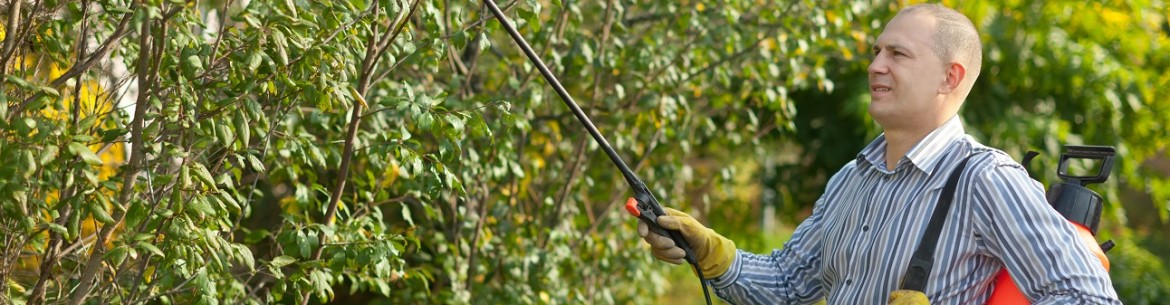
All types of solutions are poured into a sprayer and applied to green mass and tree branches.
The sprayer used should produce a stream of fine mist-like droplets. Only then will the treatment be effective and the consumption of the working solution low.
A thorough inspection of all parts of the tree for the presence of insects will help determine the precise pest control treatment for your apple tree after flowering. For example:
- Malathion is effective against codling moths, spider mites, aphids, and leaf rollers. 5 g of the solution per 10 liters of water is sufficient. On average, 2 liters of solution are needed to treat one tree.
- Aktara quickly kills scale insects and leaf rollers. Dilute with water according to the instructions.
- Benzophosphate – works great against a wide variety of pests.
- Fitoverm is used to combat aphids and mites, but does not harm ripening fruits.
- "Iskra-M", "Fufanon-Nova", "Aliot" - effectively destroy leaf rollers and codling moths.
To treat apple trees against pests, you can use not only chemicals but also folk remedies. The most popular ones are:
- Tar soap – a bar is grated and dissolved in 10 liters of water.
- Tobacco dust – 200 g of the substance is diluted in a bucket of warm water and left to infuse for 24 hours.
- Ash is diluted with water at a ratio of 200 g/10 l. The solution is left to infuse for about 24 hours before use.
- Ammonia – dissolved in water at a ratio of 20 ml per 10 l. Suitable not only for spraying trees but also for cultivating the soil around the tree trunk.
In addition to the substances listed, hydrogen peroxide can be used to combat harmful insects, vinegar, onion peel, iodine, etc. Experienced gardeners recommend alternating folk methods.
Apple orchard cultivation schedule
When spraying apple trees after flowering, you must adhere to the following schedule:
- the first - immediately after flowering;
- the second - after 8-10 days, provided there is high humidity and frequent rain.
Subsequent treatments are carried out after detecting signs of disease or the presence of pests. It is important to remember that the last spraying should be no later than 20 days before harvest.
As a preventative measure, it is recommended to spray the orchard with compounds prepared according to folk recipes.