Treating apple trees with boric acid
Among the wide range of mineral fertilizers, there's a simple, proven remedy: boric acid. Boron, found in this chemical compound, is an essential micronutrient for the normal growth and development of not only apple trees but also other plants. Read this article to learn whether it's possible to spray apple trees with boric acid, why plants need it, and how much is needed to help rather than harm them.
Content
Boric acid: description
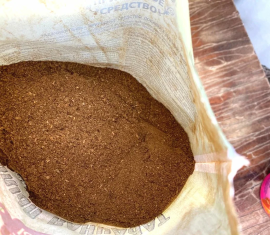
Boric acid is a white, odorless, tasteless powder or crystals, available in gardening stores and pharmacies. It dissolves readily in hot water and is a weak acid, so it has no strong effect on soil or plants.
Boron is a component of plant cell walls, participates in cell division, regulates the transport of sugars, amino acids, and hormones, and influences the formation of flowers, fruits, and seeds. Boric acid is used in various soils, especially in areas containing carbonates and acidic soils after liming.
Boric acid is used for foliar feeding of apple trees and has the following advantages:
- This is the most common and affordable means for feeding fruit trees;
- is one of the most effective sources of boron for apple trees and other crops;
- easily penetrates plant tissues through leaves and shoots, activating the processes of fruit formation and increasing yield;
- increases crop yield by up to 30%;
- strengthens plant immunity, enhances protective reactions, and improves fruit quality;
- promotes the resistance of apple trees to adverse environmental conditions such as drought, frost, diseases and pests.
Boric acid should be used with caution, observing the dosage and timing of application. Excessive application can cause leaf and root burns and disrupt plant metabolism.
Why does an apple tree need boric acid?
Apple trees have a high boron requirement. Without this element, the plant can suffer from problems such as:
- Poor flowering or blossom drop. Boric acid is essential for apple tree fruit set. If the tree is deficient in this substance, blossoms quickly fade and darken, leading to reduced or no fruiting.
- Reduced yield or small and deformed fruits. Boron affects the development of ovaries, seeds, and fruit tissues. A deficiency results in fruits that are misshapen, small, cracked, or blemished. They are of poor quality and have poor storage properties.
- Splitting or cracking of apples. This substance regulates cell turgor and prevents water loss from the fruit. When it's deficient, the fruit loses water and size, leading to cracking or splitting.
- Reduced shelf life of the harvest. Boron helps preserve the freshness and juiciness of fruit. It prevents oxidation and decay of fruit tissue, and without it, apples spoil quickly, losing flavor and aroma.
- Wilting or dying of shoots and leaves. Boron is essential for transporting nutrients throughout the plant. A deficiency prevents the apple tree from receiving sufficient nutrients and water. This leads to wilting, yellowing, dropping, or death of shoots and leaves.
- Development of diseases such as fire blight and apple canker. Boron enhances plant defenses and prevents pathogen invasion. A deficiency makes plants more vulnerable to diseases that can lead to their death.
As you can see, treating apple trees with boric acid is very important for fruit trees. However, to get the most benefit from it, you need to know how to determine a plant's boron requirements, how to properly apply boric acid, and the potential problems and complications associated with its use.
How to determine a tree's boron requirement
To detect boron deficiency, carefully inspect the apple tree, paying particular attention to young parts. The plant urgently needs boric acid treatment if you notice the following warning signs:
- chlorotic spots on young foliage, leaf veins turn yellow;
- the leaves become small, curl and fall off;
- apical buds slow down growth, lateral buds, on the contrary, increase it;
- flowering is weak, fruits set poorly;
- fruits become deformed (take on an ugly shape);
- corking of fruits is observed;
- the bark on the branches or entire tops die off;
- the growth of the apple tree stops.
If you don't take timely measures, you could lose your harvest. However, overuse of fertilizer is also a bad idea: too much boron, while fruit ripens faster, will have a poorer shelf life, and leaves are at risk of burning.
However, external signs do not always accurately reflect an apple tree's boron needs. Sometimes other factors may come into play: deficiencies or excesses of other elements, unsuitable soil or climate conditions, as well as diseases or pests. Therefore, a laboratory analysis is necessary for a more accurate determination of boron levels.
To do this, take soil and leaf samples at different stages of the growing season and send them to a specialized laboratory. Normal boron levels in soil range from 0.5 to 2 mg/kg, and in leaves from 20 to 60 mg/kg. If the analysis shows boron levels are below or above these levels, corrective action is necessary.
How to properly apply boric acid to apple trees
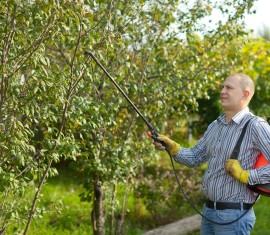
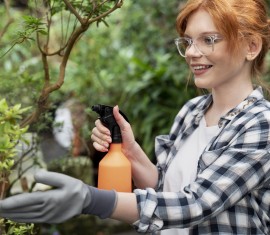
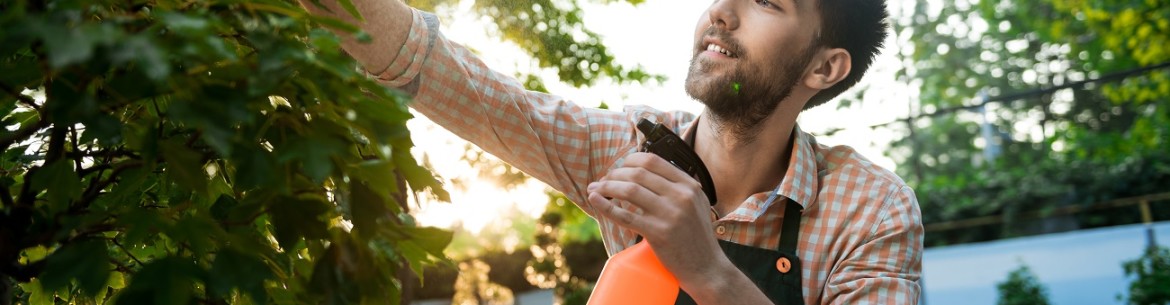
Boric acid can be used for both preventative and curative purposes on apple trees. How do you treat apple trees with boric acid? To do this, prepare a working solution of powder or tablets and spray the trees with it.
Boron dissolves poorly in cold water, so it's best to heat it to 70–80 degrees Celsius. To avoid heating 10 liters of water, prepare the solution as follows: dissolve 5 g of powder or 10 tablets in 1 liter of hot water and top up to 10 liters. This amount should be enough for approximately 10 trees.
Apple trees should be treated with boric acid within specific timeframes to avoid harming the plants. The optimal time for this procedure is:
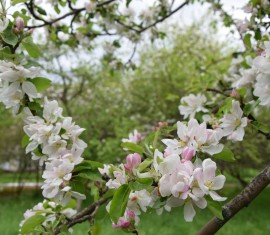
- Before flowering, when buds have formed. This will help enhance flowering and pollination, and prevent flower shedding.
- After flowering, 7-10 days later. This treatment will promote the development of ovaries and fruiting tissues, as well as increase the size and number of fruits.
- In late August – early September, when secondary shoot growth begins, the procedure performed at this time will help prepare the trees for winter and improve their immunity and frost resistance.
Boric acid is not only a plant food but also a pest control agent for apple trees. Experienced gardeners have long used boric acid successfully on apple trees against aphids and the ants that carry them.
Aphid colonies are visible to the naked eye. When examining a tree, you can detect various signs of their presence:
- leaves twisted into a tube;
- crooked shoots;
- dark red spots and swellings on the leaves;
- deformed tree tops;
- withered individual branches and young shoots.
To kill pests, prepare a solution: dilute 2 grams of boric acid powder in 1 liter of water. Spray the trees evenly across the entire crown, avoiding contact with the soil. Treatment is carried out in the evening or morning, when there is no wind or sun. After spraying, remove fallen leaves and fruit from the soil, and treat tools and clothing.
Boric acid is an effective apple fertilizer that promotes fruiting and resilience. However, it should be used with caution, observing the dosage and timing of application. It is also important to monitor boron levels in the soil and leaves to avoid both deficiency and excess of this element.