Chicken manure fertilizer: which crops need it and how to apply it correctly
Content
Chemical composition of bird droppings
Chicken manure contains micro- and macroelements necessary for the normal development of crops. In addition to the essential elements (nitrogen, potassium, and phosphorus), it also contains manganese, sulfur, zinc, as well as copper, boron, and iron.
Types of chicken manure
Fresh
The excrement of poultry kept in cages is a concentrated organic fertilizer. Fresh chicken excrement is used to prepare liquid fertilizer and as a component of compost.
Fresh fertilizer should never be applied to plants, as excess nitrogen can burn the root system.
Litter and dry
The excrement, which is removed from the chicken coop from time to time, has time to dry. This fertilizer is not harmful to crops. And the manure mixed with bedding has an even lower concentration.
Dry chicken manure is made into an infusion and added to the soil in liquid form. Littered poultry manure is used as a mulch under various fruit trees and shrubs. It is also piled to rot and later used as compost.
Granulated
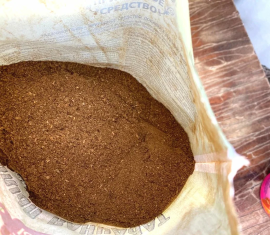
Granulated fertilizer differs from natural raw materials. Fresh organic matter is dried at high temperatures to preserve its nitrogen reserves. During heat treatment, the manure is disinfected from pathogens and pests.
Fertilizer in the form of granules is applied during digging and is also used in the preparation of liquid fertilizers.
For which crops is chicken manure useful?
At the beginning of the growing season, almost all plants will appreciate being fed with chicken manure.
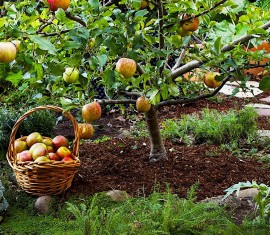
Fruit trees and berry bushes are fertilized as soon as the first leaves appear. Fertilizing with chicken manure is repeated after flowering. Fertilizer is applied to furrows made around the trunk.
Fertilize garden strawberries and winter garlic in early spring. Strawberries are fed with a minimal fertilizer concentration because their root system is sensitive to burns.
All cucurbits (squash, melons, cucumbers, watermelons) respond well to organic fertilizers. These treatments are applied frequently, but they are stopped once the crops begin to bear fruit.
Cabbage requires a large amount of nitrogen to ensure large leaves form. Fertilizing can be done before the heads begin to form.
For which crops is chicken manure harmful?
Chicken manure is not a suitable fertilizer for growing certain herbs. These include:

- chamomile;
- rosemary;
- narrow-leaved lavender;
- purslane;
- common thyme;
- Mountain savory.
These crops don't require an abundance of nutrients. Otherwise, overfeeding will weaken the plants' aroma and reduce the amount of essential oil.
Do not use fertilizer on blueberries, rhododendrons, camellias, or heather.
Tulips, gladioli, and lilies do not tolerate organic matter.
Carrots, potatoes, and beets are fertilized at the beginning of the growing season if the soil is poor. Excess nitrogen negatively impacts root development and subsequent storage.
Where to get chicken manure
Many poultry farmers are willing to share their bird droppings. It's best if the droppings are dried, as they compost more easily this way.
You can also purchase ready-made fertilizer at a gardening store. Manufacturers also add beneficial micronutrients to the formula.
Experienced gardeners know the benefits of bird droppings for soil and plants. But this article will tell you how to properly prepare chicken manure so it doesn't cause harm.
How and when to apply chicken manure
The time for adding organic matter depends on its form:
- fresh fertilizer;
- liquid solution;
- compost or humus;
- granulated manure.
Fresh chicken manure
Fresh organic matter in the form of manure contains large amounts of nitrogen and various toxic substances that slow down the development of crops.
Rotted poultry waste turns into valuable soil fertilizer. It improves soil structure and increases the activity of microflora in the soil.
Fresh bird seedlings can be applied to garden beds in the fall when the soil is tilled. Manure can also be added when the soil is tilled in the spring, provided the area is not to be planted.
Fresh organic fertilizers are scattered over the area at a rate of 1 kg/sq. m. Wood ash is added to acidic soil.
Manure must be incorporated into the soil immediately, as any delay will result in loss of nitrogen.
The depth at which the fertilizer is applied depends on the soil type. In sandy soil, manure should be applied to a depth of 15–20 cm, as the top layer can dry out quickly.
Clay soil can quickly compact, preventing oxygen from reaching the soil. For this reason, fresh manure should be placed at a depth of no more than 5–10 cm.
Rotted chicken manure
Rotted chicken manure is considered a ready-to-use organic fertilizer, perfectly suitable for topdressing. It emits a pleasant earthy aroma and lacks any pungent putrid odors.
How to use compost
Rotted manure is added to the soil during digging of the area in autumn or spring at the rate of 1 bucket/sq. m.

Compost can be added to the planting holes when planting seedlings. Mix the compost with the soil and add it to the holes for tomatoes, eggplants, cabbage, potatoes, melons, and pumpkins.
Rotted chicken manure is used in garden plots when planting berry bushes and fruit trees. The amount of compost added depends on the size of the hole: from half a bucket to a full one.
Liquid fertilizer
Fresh or compacted chicken manure is mainly used as a liquid solution. It provides a quick source of nitrogen and many other micronutrients.
How to properly dilute chicken manure
To water with chicken manure, take equal volumes of liquid and chicken droppings. Add half the fresh droppings to a ten-liter bucket and pour in the liquid. Stir the mixture and let it steep for several days.
Once the solution stops foaming, it can be used as fertilizer. To prevent the liquid from losing ammoniacal nitrogen, cover it tightly with a lid.
The prepared infusion must be used within 10-14 days.
How to use liquid fertilizer
Many gardeners are interested in how to dilute chicken manure for fertilizer. It's important to remember that the longer the container with the prepared solution is left outdoors, the less nitrogen it contains.
To obtain the mother solution, you need to take half a liter of tincture and dilute it in 10 liters of liquid.
To feed young crops, a weaker solution is made, and to fertilize trees, a stronger infusion is diluted.
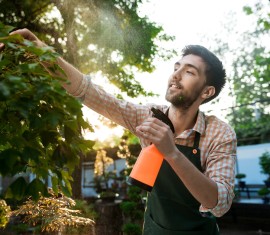
Fertilizer application is carried out on damp soil to prevent root burns. The required fertilizer application rate is up to one liter per young plant, and up to 3–5 liters per bush or tree. After fertilizing, water the plant generously.
On sandy soil, the treatment is performed more frequently, every two weeks, with a reduced concentration. On clay soil and black soil, one application every three weeks is sufficient.
Granulated bird droppings
Manufacturers have learned to produce granulated fertilizer from bird droppings. This organic matter is easy to use and has no unpleasant odor. It is added to the soil during digging or to planting holes. Up to two hundred granules are scattered per square meter of soil. Up to one kilogram of fertilizer is mixed with the soil into prepared tree holes.
Granulated chicken manure can be used to make a liquid organic fertilizer. To do this, take a bucket of dry granules and add 10 liters of water. Allow the manure to swell, then stir the solution until it forms a homogeneous mass. The stock solution should be applied immediately, without waiting for it to ferment. The proportions are the same: 1:30 for seedlings, 1:10 for bushes and trees, and 1:20 for mature plants.