Pushonka: Instructions for use in the garden and vegetable garden
Modern gardeners often face challenges when caring for their crops. Those who want a bountiful harvest or pleasing-looking plants to decorate their plots must make an effort to achieve these results.
A good way to solve or prevent many soil problems is to use fertilizers, especially slaked lime, which is a practical and effective option.
Content
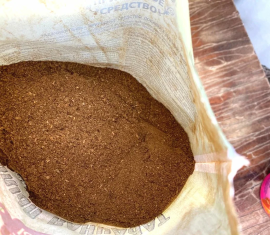
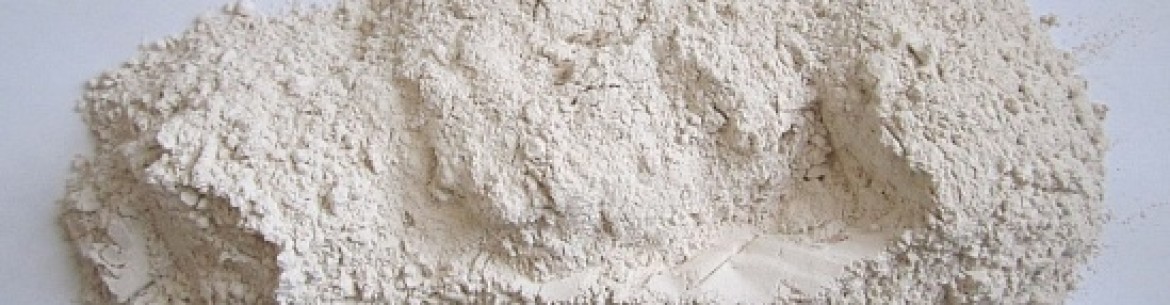
What is a fluff ball?
Lime fertilizer can be obtained by processing natural substances such as marl, limestone, chalk, and dolomite. Soil minerals are also essential.
Slaked lime helps deoxidize the soil and makes it looser. It also has a beneficial effect on crop development, protecting against pest infestations and aiding in metabolic processes. Limestone contains calcium, potassium, and magnesium.
To obtain a safe form of lime, the substance should be diluted with cold water in a 1:1 ratio. The slaking process should last for twenty minutes. During this time, stir the solution with a long stick to speed up the melting process.
Garden fertilizer should not be diluted in hot liquid, as this will cause the beneficial properties to evaporate.
The benefits of fluff for soil
Pushonka is effective in treating and protecting garden and horticultural crops. It can be used alone or in combination with other substances. Containing magnesium, calcium, and potassium, Pushonka is essential for the healthy development of cultivated crops.
Liming the soil with slaked lime
Acidic soil is unsuitable for many garden and berry crops. Such soil dries poorly after the snow melts, and a dense crust forms on the surface. As a result, air doesn't reach the plant roots. Furthermore, weeds thrive in such soil.
To accurately determine the degree of soil acidity in your garden, you can use special test strips, appropriate equipment, or take soil samples from your garden plot for laboratory analysis. However, the degree of soil acidity can be determined using a standard, guaranteed method. It's undesirable if the following plants grow in abundance in your garden:
- horsetail;
- clover;
- woodlouse;
- couch grass;
- moss.
These weeds grow in soil with high acidity levels.
In addition, there is no growth for cabbage, carrots, beets, onions and garlic, which means the acidity level is not suitable for growing these vegetables.
Soil deoxidation
To reduce soil acidity through liming, it's important to apply the correct amount. Excessive amounts will cause significant harm to plants, while too little will provide no benefit.
Approximate application rate of fluff per 1 sq. m of land:
- heavy and clayey soil – 600–900 g;
- light or sandy soil – 300–400 g;
- light, loamy soil or black soil - within 400-500 grams.
If the acidity is high, then repeat the deacidification with fluff after four years; in case of deep cultivation, once every three years.
The procedure is carried out in the fall, by scattering the substance under digging.
Spring tillage is carried out along with tilling, 10 days before planting crops or sowing seeds, and always when the soil is moist. Slaked lime can be used in combination with mineral fertilizers. When liming, remember that some garden plants thrive in highly acidic soil. These include:
- juniper;
- raspberry;
- pepper;
- potato;
- honeysuckle;
- pumpkin.
Therefore, do not apply lime to beds with these crops.
Using slaked lime in the garden
What is fluff powder used for in the garden? It's used as a deoxidizer when liming soil, as well as for whitewashing plants and shrubs.
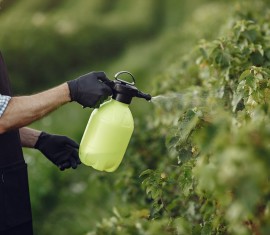
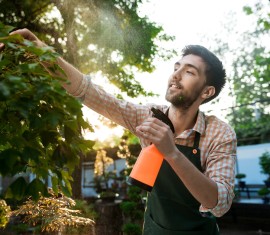
Whitewashing protects trees from harmful insects. Spring whitewashing can protect the bark from the hot sun. Plants treated with lime every spring are less likely to harbor insects.
Many gardeners try to whitewash their fruit trees before winter. Whitewashing done in the fall protects the tree bark from sudden temperature changes. This is especially dangerous for seedlings. Therefore, it's necessary to whitewash the plants with a slaked solution in the spring.
Before the procedure, the trunks must be prepared for whitewashing. This is done by removing dead layers of bark, which can harbor pests and their larvae.
Dilution of lime for whitewashing trees
To prepare the solution use:
- clay (300 g);
- copper sulfate (200 g);
- dry mullein (1000 g);
- fluff (1000 g);
- water (10 l).
The solution must swell before use. Trees are treated after 2–3 hours.
Using fluff in the garden
The acidity of the garden soil determines whether the plants will produce a good harvest. Most crops require neutral soil, but overwatering, chemical contamination, and other factors can increase acidity. Quicklime is very beneficial for the garden.
To determine the acidity level, you can use the following methods:
- Place a small amount of soil in the bottle and fill it with liquid. Place a rubber finger cot on the bottle neck and shake the container. If the soil is acidic, the cot will inflate, but if the soil is at a normal level, it will remain suspended.
- Using litmus paper, which will accurately show the acidity level in the soil.
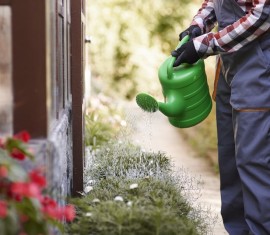
Slaked lime is used in gardens as a deoxidizer.
The substance also has beneficial properties and can act as a fertilizer.
- The fluff promotes the active life of bacteria that retain and collect nitrogen, thanks to which crops grow well.
- The roots are developing quite actively.
- Increases the immunity of crops, helps them to become stronger and reduces the likelihood of disease.
Features of using fluff
It's important to remember that even slaked lime is a caustic substance, requiring standard safety precautions when working with it. Remember to work with slaked lime outdoors or in a ventilated area. Other safety precautions include:
- Garden rubber gloves and safety glasses, which are used when working with fluff.
- Place at a distance during quenching of the substance, because the heated lime may splash to the sides.
- A bandage or respirator to protect the face and respiratory system from caustic lime.
- If the solution comes into contact with exposed skin, quickly remove it with a swab soaked in refined sunflower oil. If the skin is damaged, a gauze compress soaked in a weak vinegar solution will help soothe it.
- Rinse eyes with water if drops of slaked lime come into contact with them.
Overall, fluff is a substance with relatively high performance, environmental benefits, and a rather attractive appearance. However, to successfully use it, its characteristics and application requirements must be considered.