
All the ways to use eggshells in the garden
Gardeners who grow fruits and vegetables often use organic matter as a soil amendment. Most believe that eggshells are a good alternative to commercial fertilizers and pesticides. However, there are heated debates among gardeners about the benefits and harms of eggshells. Do natural ingredients actually improve the harvest, or should they be thrown in the trash? Let's find out.
Content
Composition and beneficial properties of eggshells
Chicken eggshells are considered an easily digestible source of nutrients. It's important to use this natural fertilizer correctly in the garden to get the most out of it. The chemical composition of the shells will depend directly on the breed and age of the chicken, as well as its diet at a given time of year:
- from 90 to 93% is easily digestible calcium;
- nitrogenous substances contain about 3–3.5%;
- water accounts for up to 2%;
- lipid residues;
- microelements.
Due to its porous structure, the shell allows oxygen to reach the roots and removes moisture and carbon dioxide. Eggshells contain approximately 27 microelements, including iron, phosphorus, zinc, magnesium, fluorine, molybdenum, and others. Among the beneficial properties of eggshells are:
- contains a large number of minerals and microelements;
- increasing soil fertility and normalizing pH;
- possibility of use as drainage;
- protection of plants from the absorption of ammonia nitrogen;
- proper functioning of cells;
- repelling pests and slugs;
- good mulching material that can be used to cover a flower bed.
Garden crops planted in acidic soil will not be able to develop and bear fruit properly, so using eggshells will have a positive effect on the soil structure and help reduce acidity.
What kind of shell is used for fertilizer?
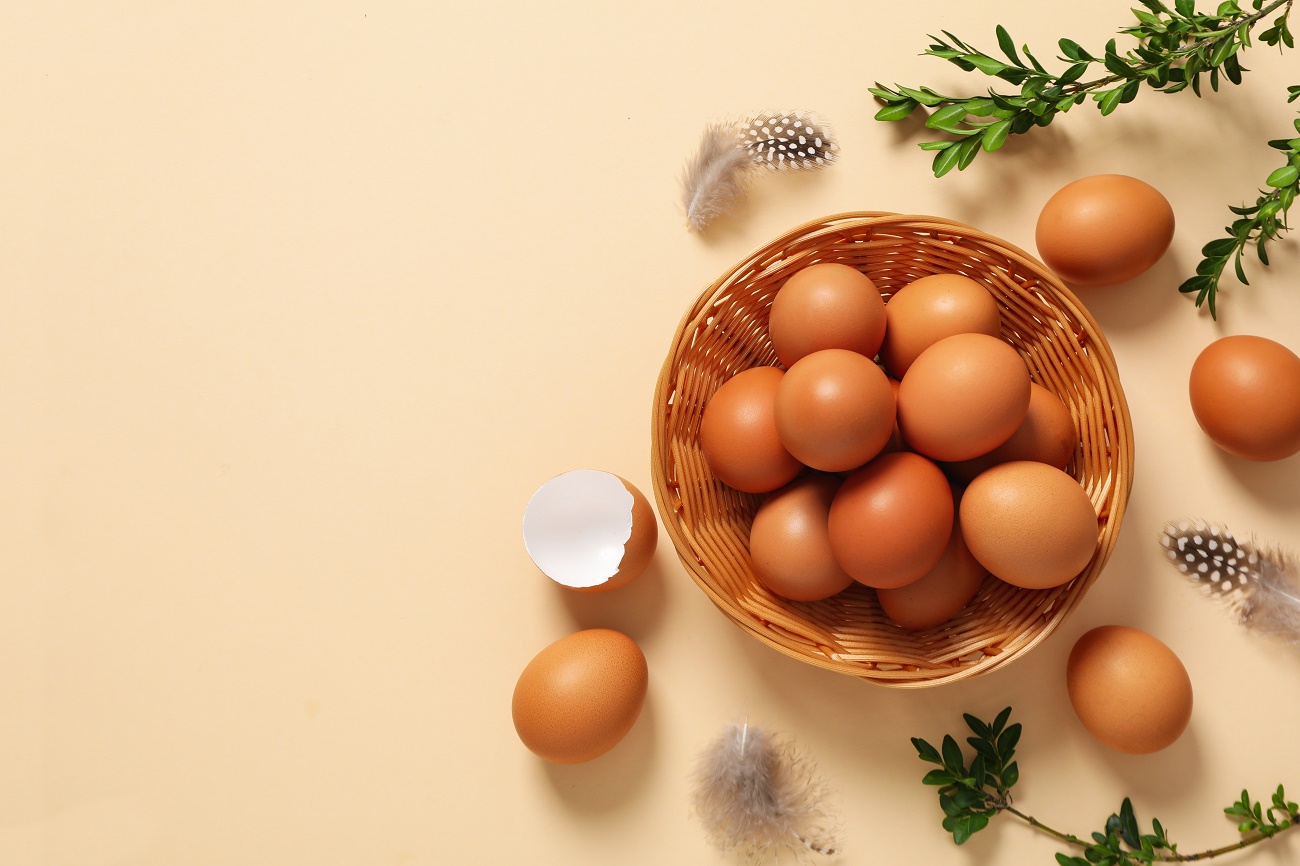
Experts recommend using raw eggshells as fertilizer, as many of their beneficial properties are destroyed during cooking. Eggshells should be thoroughly rinsed on the inside to prevent rotting and then dried in the oven. A glass jar or cloth bag is ideal for storage. Plastic containers and tightly sealed vessels are not recommended, as the material needs to be able to breathe.
It is strictly forbidden to use spoiled or rotten eggshells, as they will become the first source of spread of harmful bacteria.
All methods of using eggshells
Since eggshells are a veritable treasure trove of beneficial components for plant crops, they are widely used by gardeners. There are countless ways to use chicken egg scraps; let's take a closer look at each method.
As a calcium fertilizer
The list of plant varieties that benefit from eggshells as fertilizer is endless, as they are beneficial for both fruits and vegetables. Absolutely all crops require calcium, with onions, spinach, strawberries, pears, zucchini, tomatoes, eggplant, and others being among the most responsive.
In normal, non-acidic soil, it is recommended to either avoid fertilizers altogether or apply them sparingly. It is also worth excluding calcium-based fertilizers for plants that prefer to grow in an acidic environment.
Soil fertilizer
To apply organic fertilizer to your garden beds, you need to choose the right day and the right dosage. There's a universal fertilizer recipe you can use:
- 100 liters of water are filled one-third with green tops without seeds.
- Add 1 kg of sodium humate and 600 grams of eggshell powder to them.
- The solution is left to ferment, stirring it periodically.
- After 2 weeks, the resulting concentrate can be diluted in a ratio of 1:10 for watering.
Pest control
Eggshells in the soil not only act as fertilizer but also help control various pests, such as moles, snails, Colorado potato beetles, slugs, mole crickets, and other harmful insects. Depending on the pest, it's important to understand how to incorporate the eggshells into the soil.
- To combat mole crickets, the shells are crushed into powder using a pestle and mixed with vegetable oil to be sprinkled between rows.
- A protective barrier made of the shell helps keep slugs, snails, and small Colorado potato beetles away, preventing them from reaching the plants.
- Chicken eggshell powder is used to dust insects and large Colorado potato beetles.
Seedling container
At home, whole eggshells are used as containers for planting seedlings. It's important to preserve the integrity of the organic material, as the shells will be filled with potting soil, and the seeds will also be planted in them. This allows seedlings to be grown without the use of harmful plastic.
Infusion
Most people have noticed a thin film on eggshells that can be used for the benefit of the garden. Gardeners use it to make a special infusion to fertilize their plants. To prepare the infusion, you need to follow a few simple steps:
- The unprocessed shell is placed in water, where it must remain for at least 1–2 weeks.
- The water will become cloudy and begin to emit a specific odor.
- After this, the liquid can be used for effective watering.
When preparing the tincture, it is important to consider the ratio of ingredients: 5 to 10 shells will be needed for 1 liter of water.
The prepared solution can be diluted with water if you water the garden up to 10 times.
How to Make Eggshells for Plants: Step-by-Step Instructions
There are several options for preparing and storing eggshells. Gardeners recommend using raw eggshells, as they retain a significant amount of nutrients. The shells are scalded with boiling water and dried on a paper towel. Afterwards, they are crushed into either powder or fine dust and stored in a dry place.
Eggshell infusion
One storage option is to make an eggshell infusion for the garden. The shells are steeped in hot water and left to infuse for two weeks. The cloudy liquid with a characteristic odor is ready once these signs appear.
Rules for using the infusion
Depending on the soil type, the infusion is diluted with water at a ratio of 1:5 or 1:10 and then used to water the soil. The infusion also combines well with other fertilizers, so you can combine several treatments simultaneously when tending to your garden.
Eggshell decoction
To prepare a highly effective liquid fertilizer from chicken eggshells, you need:
- Prepare the shells and crush them thoroughly to obtain small pieces.
- Place in a liter jar and fill the contents with boiling water.
- The decoction should be infused for 5 days.
- The liquid should become slightly cloudy.
- Now the decoction can be used to water plants that look unwell.
Using liquid fertilizer will have a positive effect on future harvests.
Rules for using the decoction
It's recommended to use the decoction immediately after preparation to prevent it from stagnating. It's most effective when used as a watering aid for plants in acidic soil.
Preparing eggshell powder
Making shell powder is only possible when you have a certain amount of shells, for example, when you've collected about 1 kilogram. The resulting pieces can be put through a meat grinder or coffee grinder.
Rules for using powder
Eggshell powder is stored in a tightly sealed glass jar.
Which plants should not eat eggshells?
There are a number of plants that react negatively to eggshells. These include:
- raspberries;
- carrot;
- turnips;
- beets;
- radish.