Succinic acid in gardening – methods of use
Succinic acid is widespread in nature. It is found in virtually all plants, as well as in brown coal, amber, and maleic anhydride. The substance is used in medicine: it is included in products to improve metabolism, eliminate hypoxia, and increase tissue energy supply. Succinic acid has also found application in gardening and horticulture.
Content
What is succinic acid?
Succinic (butanedioic) acid is a weak organic carboxylic acid with two bases. It is a colorless, odorless crystalline powder with a slightly salty-bitter taste. It is highly soluble in water and alcohol. It participates in cellular respiration in all aerobic organisms, including plants.
Succinic acid is sold in pharmacies as tablets or capsules for oral administration. However, for gardening, it's best to purchase it from specialized stores. It's available in granules, powder, tablets, and solutions. Pharmaceutical preparations may contain various impurities, the effects of which on plants are unpredictable.
Useful properties in gardening
Succinic acid in gardening helps solve a number of problems:
- Improves soil composition – normalizes microflora, stimulates the vital activity of beneficial microorganisms, and prevents the accumulation of nitrogenous substances.
- Serves as an adaptogen – increases plant resistance to various adverse environmental factors – pathogens, weather conditions (heat, drought, frost, high humidity).
- Promotes complete absorption of nutrients, resulting in stronger plants, more active growth, flowering and fruiting, increased seed germination and the survival rate of new shoots.
- Improves the quality of the harvest – the fruits become more sugary, juicy and attractive.
Butanedioic acid is safe for the environment and humans. Even if concentrations are exceeded, it does not accumulate in plant tissues but quickly decomposes. However, the substance itself is not a fertilizer. It merely facilitates the absorption of other applied nutrients.
There are two risks associated with using succinic acid. The first is soil acidification, so it's important to periodically check the soil pH and apply lime. The second is stimulating growth without additional fertilizers. This can lead to plant deformation and death.
Use of succinic acid in the garden
Succinic acid has a variety of uses in the garden. Its solution is used as a spray, watering solution for plants, and as a soak for seeds and cuttings.
Seed treatment
Soaking seeds in a 2% amber solution increases their germination rate, accelerates shoot development, and prevents diseases. This treatment is especially recommended for seeds that have been stored for a long time or are considered particularly sensitive to environmental conditions. The seeds should be soaked in the solution for 12 to 24 hours. Then they should be dried and sown in moist soil.
Processing of rhizomes and tubers
Butanedioic acid stimulates the formation of new root shoots in perennial plants and improves their survival after planting. Tubers and rhizomes are soaked for 1 hour in a 0.2% solution, then dried and transplanted into the soil.
Rooting cuttings
Yantarka is indispensable when propagating plants that are difficult to propagate from cuttings, as it accelerates root formation. The lower cut of the cuttings should be placed in a 0.02% solution for 10-15 hours before planting. If the shoot is very delicate, protect the edge by wrapping it with cotton wool.
Seedling treatment

To improve and accelerate the survival rate of newly planted seedlings, water the soil beneath them with a 0.25% succinic acid solution. The treatment can be repeated after a week.
Stimulating flowering
To stimulate flowering and plant growth, spray them with a 0.1% butanedioic acid solution. This procedure should be repeated 2-4 times at 7-10 day intervals.
How to prepare a solution of succinic acid
Yantarka is always used as a solution, the concentration of which can vary. To prepare a 0.1% solution, take 1 g of pure Yantarka and 1 liter of water. Steps:
- Dissolve the powder in a small amount of warm water.
- Add water at room temperature to make a volume of 1 liter.
If a different concentration is required, the amount of one of the components should be proportionally increased or decreased. For example:
- 0.01% – 1 g per 10 l;
- 0.2% – 2 g per 1 l;
- 2% – 20 g per 1 l;
- 0.25% – 2.5 per 1 l.
The prepared liquid can be stored for three days in a cool, dark place, but is best used immediately. The dry powder retains its properties for 2–3 years at temperatures no higher than 25°C.
Succinic acid is non-toxic. However, a concentrated solution can cause irritation upon contact with skin. Therefore, it is best to wear gloves. If the substance comes into contact with skin, wash it off with a solution of baking soda and water.
Instructions for use of the solution
How to use succinic acid in gardening? The methods depend on the intended application. In any case, root feeding should be applied 3-5 days before application.
Processing of plantings
Spraying plants with a 0.1% solution stimulates shoot growth and flower bud formation. Two to three treatments should be carried out, 14 days apart. The first application should be before flowering.
When preparing plants for winter, you can also spray them, but with a more concentrated solution (0.2%). This will protect the shoots from frost and rot due to excess moisture.
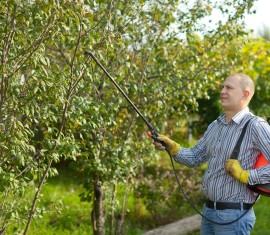
Treatment should be carried out on cloudy days, early in the morning or evening. The weather should be calm and dry.
Watering the root system
To stimulate root development, water newly planted plants with a 0.2% butanedioic acid solution. The soil should be moistened to a depth of 15–30 cm (the older the seedling, the deeper it gets). Two applications, separated by 7 days, are sufficient.
Spraying
Spraying the leaves, stems, and roots with a 0.2% solution can be a lifesaver if the plant is stressed. Drying out, frostbite, improper care, or the period following a disease—succinic acid can help with all of these.
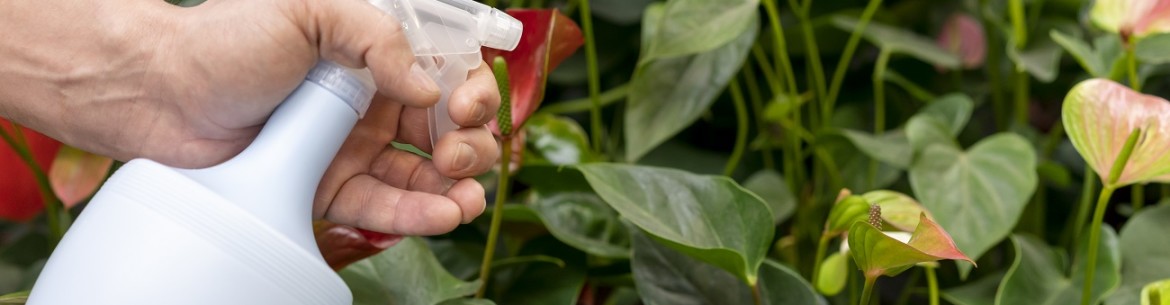
If the plant's leaves are falling off or its stems are drooping, spray it thoroughly with a spray bottle and then repot. Subsequently, the above-ground portion should be sprayed every two weeks until the plant has fully recovered.

Plants that have recovered from the disease should be actively nourished with succinic acid. You can spray them with a 2.5% solution every two weeks or soak them completely in it for 10 minutes, then relocate them.
Soil nutrition
To nourish the soil and improve its microflora, it is recommended to use a 0.1% solution of butanedioic acid. In early spring, apply it to the area at a rate of 6–7 liters per 1 m².
Standards and terms of application
Standards for the use of succinic acid are given in the table:
| Concentration, % | Culture | Spraying timing | Consumption |
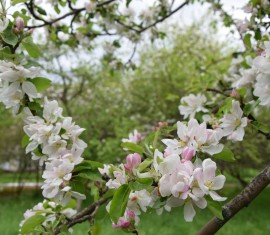
| 0.1 | Apple | When pink buds appear | 2–6 liters per tree |
| 0.3 | Currant | At the budding stage | 2–6 liters per bush |
| 0.3 | Grape | At the beginning of flowering | 1–2 liters per plant |
| 0.3 | Strawberries | The first spraying is after the beginning of budding, the second – after the start of flowering | 4 liters per 100 m2 |
| 0.1 | Flower crops | The first spraying is after the beginning of budding, the second – after the start of flowering | 0.3 – 0.5 l per 10 m2 |
Cases in which the use of succinic acid can be harmful:
- The plant is in a dormant phase – the leaves have fallen off and vegetation processes have stopped.
- General growing conditions are inadequate—low light, low temperature, excess or lack of moisture. In this situation, stimulating growth with succinic acid will result in weakened and elongated shoots.
- The plant is diseased. A comprehensive treatment with appropriate medications is necessary first. Succinic acid should only be used during the recovery phase.
Succinic acid for garden plants is a natural growth stimulant and mild adaptogen. It promotes increased germination, accelerates ripening, and improves crop quality. It is safe for garden crops and humans, but it is important to follow the recommended dosage and maintain a 2-3 week interval between applications.