How and with what to treat your garden for pests in the fall: important tips and rules
Pests appear in any garden with the onset of warm weather. They multiply rapidly under favorable conditions. Autumn pest control rids fruit trees, berry bushes, and ornamental plants of harmful insects. Eradication is essential to ensure plants welcome spring healthy. In this article, we'll discuss fall garden treatment methods and the products used.
Content
Reasons to treat your garden in the fall
As cold weather approaches, pests begin to search for places to hibernate. They hibernate, choosing trees and shrubs for this purpose. They hide in the soil around tree trunks, under the bark of cultivated plants, in cracks, and build nests from leaves. In the spring, they begin to attack the garden, sapping the strength of plants, spreading diseases, and destroying the future harvest.
In the fall, it's important to prevent pest proliferation and take measures to eradicate them. Insects damage bark, young shoots, and foliage. Fruit trees and shrubs take a long time to recover from such damage. Treating trees for pests in the fall will protect them from injury and ensure their continued health.
Preparing for garden cultivation
When preparing for treatment, we check for pests. Tree bark is a favorite wintering spot for many harmful insects. Carefully inspect the bark surface, any cracks, and, if possible, look underneath. Scale insects and gypsy moth eggs can hide here. Apple and plum codling moth caterpillars hide under old bark, wrapped in a cocoon.
The caterpillars of the hawthorn and goldtail moths build nests from leaves, wrap them in webs and spend the winter there.
The red apple mite lays eggs and hides them in the crevices of young shoots on the underside. The apple leafhopper and apple aphid also prefer young shoots and lay eggs on their bark.
Before we begin gardening, we clear away plant debris: wilted leaves, dry, broken, and diseased branches. Pests can hide in debris, so it should be burned. All harvest scraps should be placed in a compost bin. We clean moss and lichen from the trunks and branches with a stiff brush. Afterwards, we weed and loosen the soil.
To disinfect the garden you will need the following tools and equipment:
- shovel;
- rake;
- sprayer;
- trapping belts;
- pheromone traps;
- houses for beneficial insects.
Methods for treating garden pests in autumn
How to treat your garden for pests in the fall? We'll consider mechanical, biological, and chemical treatment methods.
Mechanical
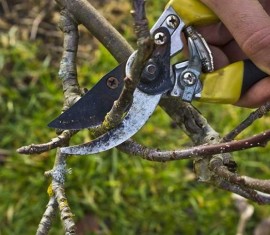
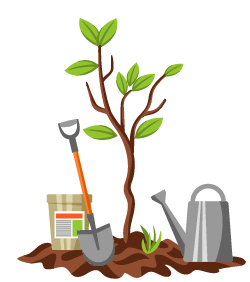
This method is used when there are only a few pests in the garden. They are caught using bait, traps, or by hand. Trapping belts are used, trunks are tied, whitewashed, and snow is compacted around the trunks. Pruning and burning damaged plant parts is used to reduce the numbers of gooseberry aphids, apple glassworms, and raspberry flies.
The nests of the goldentail and hawthorn moths are manually removed from the branches and burned, and the Colorado potato beetle is collected and destroyed.
Biological
Biological pest control utilizes natural enemies—insects, birds, lizards, hedgehogs, and frogs. Beneficial garden insects include:
- ladybug;
- lacewing;
- ground beetle;
- spiders.
To attract beneficial insects, nectar-producing plants such as phacelia, mustard, vetch, and fireweed are planted in the garden. Plants whose scent repels pests are also planted.
Apple pests cannot stand the smell of tansy.
Tits, flycatchers, starlings, larks, and wagtails feed on insects. To attract them, birdhouses are hung and feeders are set up in gardens.
Some gardeners collect ladybugs from the field and bring them back to their plots to kill aphids. They do an excellent job of this.
Viruses, bacteria, and fungi are also used to kill pests. Parasites settle on or inside insects, feeding on their juices or tissues. When they complete their development, the pests die.
There are also industrial biological preparations that are safe for humans, animals and plants:
- Fitoverm
- "Bitoxibacillin";
- "Metarizine";
- "Lepidocid".
Chemical
Chemicals are used only if other pest control measures have failed.
Pesticides kill not only harmful organisms but also beneficial ones. These substances can accumulate in fruits and end up in the soil, water, and air, thereby polluting the environment.
Preventive measures
Taking preventative measures prevents pests from multiplying. Use methods that help keep your garden healthy:
- Choose regionalized plants for your garden, ones that are adapted to the local climate. They are adapted to the environment and are more resistant to pests and diseases.
- Hardy and vigorous plants are more resilient to pest attacks. To ensure healthy crops, plant them in suitable soil and care for them properly.
- Burn or remove pest-infected plant parts from the area.
- Weed regularly. Weeds often harbor pests. Harmful insects migrate from weeds to crops.
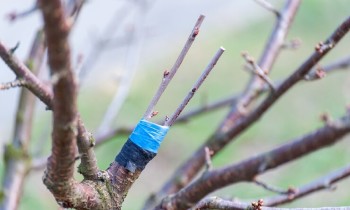
- After pruning or cutting branches, apply putty. Open wounds are attractive to pests.
- Regularly loosen the soil. This prevents the proliferation of unwanted insects.
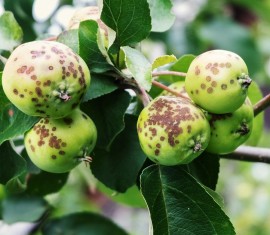
- Dig up the tree trunks in the fall. This is an effective measure to combat apple scab.
Processing various plants in the garden
Treatment of fruit trees in autumn against diseases and pests:
Protect your respiratory system with a respirator, your eyes with goggles, and your hands with gloves if you are using chemicals.
- Carry out treatment after harvesting fruits and leaf fall.
- Whitewash the trunks.
- Rake the leaves from around the tree trunks and burn them.
- Scrape moss and lichen from trunks and branches.
- Remove any dead bark where the caterpillars are hiding.
- Trim and burn root suckers. Aphid eggs overwinter on them.
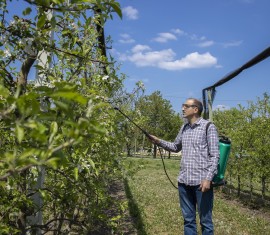
- Spray with the selected composition.
- To repel mice, place dried coriander flowers and stems or sawdust soaked in carbolic acid under trees.
Carry out the treatment in the fall in dry, windless weather with temperatures above freezing. This can also be done after the first frost.
- Clear the tree trunk circle of leaves and weeds.
- Choose a dry, windless day.
- Cut the stems to the desired height.
- Treat with a solution of copper sulfate or Fitosporin-M.
How to treat berry bushes:
- Treat with iron sulfate and urea.
- Disinfect not only the shrubs, but also the surrounding soil.
How to treat the soil for pests in the fall? Spray the soil with the same products you use for treating plants.
Precautions and handling rules
Chemicals used to treat plants can be harmful to human health. Protective measures can help prevent this:
- closed clothing;
- respirators;
- gloves;
- protective glasses.
Do not eat, drink, or smoke when preparing solutions or spraying. Follow the manufacturer's instructions and recommendations when preparing solutions. Do not exceed the recommended dosage. Exceeding the recommended dosage can cause plant burns, metabolic disorders, and even death. Use solutions immediately after preparation. They lose their potency over time.
Unless absolutely necessary, do not use products that pose a threat to human and environmental health. The best fall garden pest control methods are mechanical and biological.
The need to treat your garden in the fall is undeniable. Pests can destroy both plants and crops. A single fall treatment won't eradicate all pests, but it will eliminate most of them. In the spring, you can deal with any that survived the winter.