Preparing apple trees for winter in Siberia: how to insulate and protect trees from frost 100%
Any orchard requires preparation for winter, especially if it's grown in risky farming conditions, such as Siberia. This article will explain how to properly prepare apple trees for a successful winter and insulate them.
Content
Autumn works
Preparatory work for winter in the garden begins in the fall, immediately after the harvest. This includes the following mandatory steps:
- digging up tree trunk circles;
- fertilization;
- pruning;
- leaf collecting;
- apple tree treatment.
The most urgent ones include digging and top dressing Trees. Loosening the soil helps protect the garden from spring infestations by harmful insects, whose larvae hide in the fertile soil layer. When the soil is dug, they come to the surface, where they are soon killed by low temperatures.
Potassium-phosphorus fertilizers applied in the fall help successfully complete the growing season. They stimulate yellowing and leaf fall, which puts the tree into a dormant state and gradually prepares it for the onset of cold weather.
Sanitary pruning
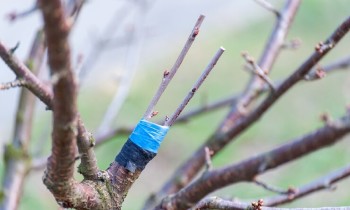
 This is done to remove dead, diseased, and damaged branches, as well as crossing shoots that interfere with each other and thicken the crown. These are removed with pruning shears, and the cut areas are traditionally sealed. garden pitch or oil paint.
Pruning is carried out before the onset of persistent frosts, so that the tree has time to recover.
Young branches are also shortened by a third of their length, giving the apple tree the appearance of a bush up to 3.5 meters high.
Collecting leaves
A mandatory step in autumn garden maintenance before winter is collecting fallen leaves. After the leaves have fallen (in November), all leaves, fallen branches, rotting fruit, and other debris are raked up and removed from the site. This litter is an ideal wintering and breeding ground for insect pest larvae, which quickly become active with the arrival of the first warm days of spring, hindering the successful development of the tree. For this reason, it is not recommended to use fallen leaves as a root covering. The same applies to fallen fruit. The rotting processes occurring in them facilitate the proliferation and spread of pathogenic microorganisms and fungi.
Processing of trunks
As a preventative measure, not only the soil beneath trees but also their trunks, where pest larvae may also be present, require cleaning. Therefore, experienced gardeners recommend cleaning tree bark with a stiff brush and whitewashing apple trees before winter.
To prevent any bark residue that falls onto the ground during cleaning, it is recommended to lay a piece of cloth or plastic under the tree.
To whitewash the trunks, use a lime solution with the addition of strong-smelling substances, such as tar, which can repel rodents that might feast on the young bark. Additionally, the apple tree is sprayed with a solution of iron or copper sulfate to prevent fungal diseases.
All apple tree treatment procedures are carried out in dry and warm weather.
Insulation of apple trees
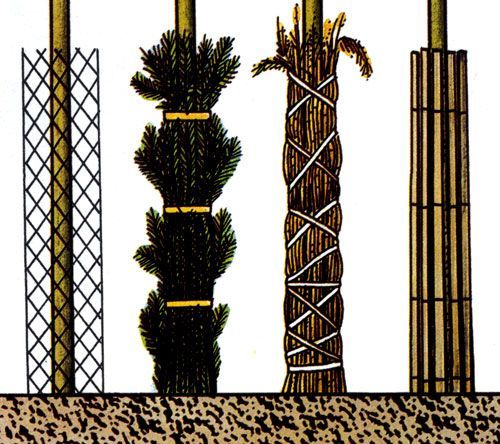 Insulating the roots and trunks of apple trees is especially important in the harsh Siberian climate. Severe frosts and strong northern winds can cause irreparable damage to both the trunk and root system of trees. After all preparatory autumn work is completed, they begin covering apple trees for the winter in Siberia.
The trunk of a mature tree insulate to a height of up to 1.5 m using improvised means: burlap, thick paper, cardboard, or spruce branches, securing the insulation with tape or twine. This covering not only protects the tree from strong winds and frost, but also protects it from rodents. To insulate the roots, it's enough cover the tree trunk circle layer of mulch, and when it falls out rake up the first snow him under the trees.
It is not recommended to use straw from grain crops as insulation, so as not to attract rodents.
Insulation of seedlings
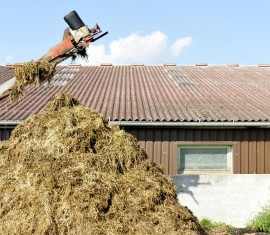
Young seedlings are more vulnerable to adverse weather conditions and are therefore more likely to suffer and die from frost and cold winter winds. When insulating a tree, special attention should be paid not only to the trunk and skeletal branches, but also to its roots. Thus, in the fall tree trunk circles are sprinkled manure, on top of which they lay a dense layer of sawdustWith the appearance of snow cover cover the sawdust with a thick layer of snow, sweeping it from the paths under the trees.
Rotting under a layer of snow, manure nourishes the roots with useful substances and promotes further development of the apple tree.
To save root collar, cover it with a low mound of soil (up to 30 cm), and then begin insulating the trunk. It is wrapped in non-woven insulation, such as burlap, old nylon tights, or agrofibre.
It is not recommended to use roofing felt or polyethylene as insulation. During thaws, which often occur in winter, they become a breeding ground for fungal spores.
Experienced gardeners also advise tying seedlings to stakes or constructing small fences around young trees to prevent gusts of wind from breaking the fragile apple trees.
Insulation of columnar apple trees
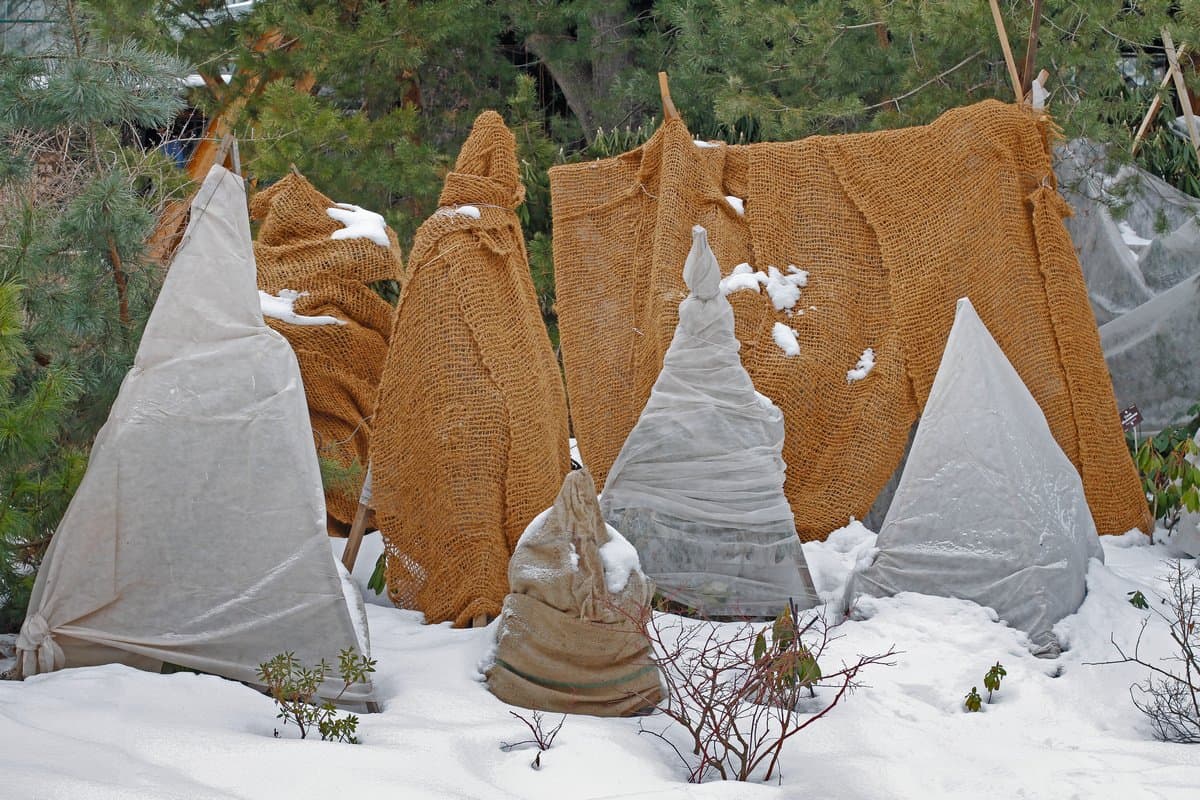 Columnar apple trees, which have gained widespread popularity due to their high yields despite their small size and space-saving nature, are prepared for winter in a special way. Thus, they are covered completely, because the trunk of such an apple tree—the main shoot—grows from an apical bud. If this bud is damaged by frost, the tree dies completely, and it will be impossible to save it. Below are methods for insulating columnar apple trees for the winter.
Inside the wooden pyramid
Once consistently low sub-zero temperatures (around -10°C) are established, a shelter in the form of a pyramid of boards is constructed around the apple tree trunk, which has been pre-treated with lime mortar. The interior of the pyramid is filled with humus, and the outer surface is wrapped with covering material, securing it with tape or a construction stapler.
In the garden bed
Resourceful Siberians often plant columnar apple trees not in open ground, but in individual containers (such as buckets) that are easily transported. In the fall, after harvesting and completing all the preparatory procedures, the container holding the apple tree is simply placed on the garden bed and covered with various organic and inorganic materials. For example, the tree's crown is wrapped in burlap, nylon tights, or other non-woven material, after which it is laid horizontally in a wooden container, covered with leaves and a thick layer of snow.
Owners of dry basements and cellars can store columnar apple trees there, after wrapping the trees in insulation and placing them in wooden containers.
Growing apple trees in Siberia is challenging yet rewarding. Getting a harvest from your own orchard requires some knowledge and practical skills. We hope this article has answered your questions and provided practical advice on keeping your apple trees healthy and productive, even in harsh climates.