13 Garden Varnish Recipes: Make the Best Putty Yourself
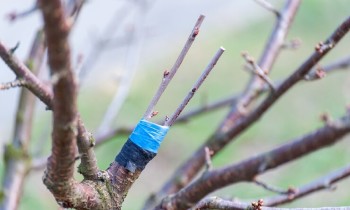
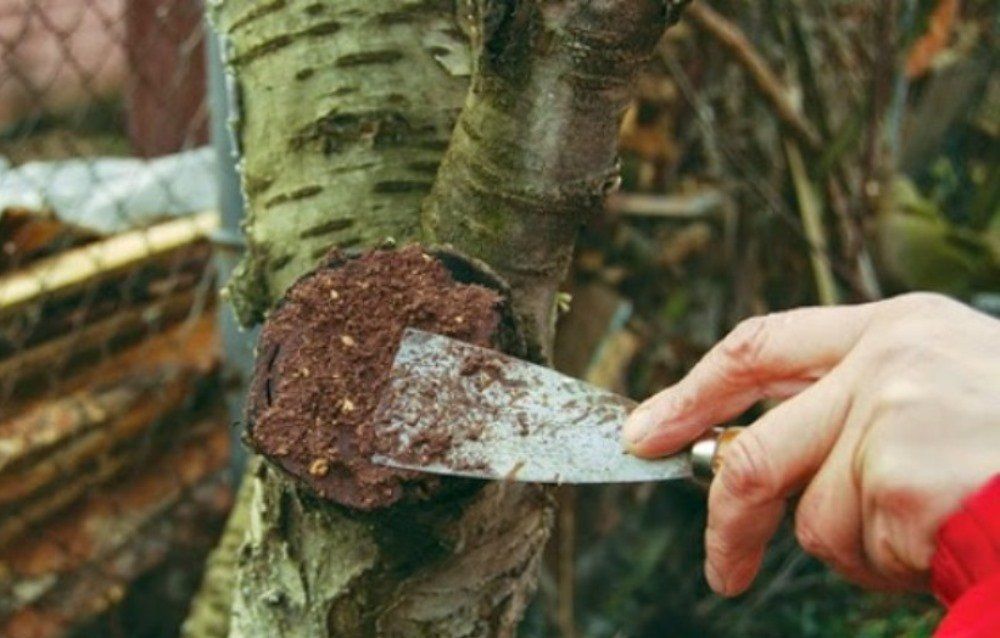
If the tree is damaged or pruned, the wound that results needs to be treated. Otherwise, numerous viruses and bacteria will penetrate the wood through the cuts. Furthermore, the oozing sap will attract harmful insects. Preventing this problem will help. garden var – an irreplaceable drug for any area.
Content
Features and properties of garden var
Garden pitch is a remedy designed to provide emergency treatment for damaged shrubs and trees. In its traditional form, it is a paste made from natural resin and bee products. Several factors contribute to the development of wounds:
- a heavy harvest, snowfall or icing, as a result of which the skeletal branches experience heavy loads, leading to breaks and cracks;
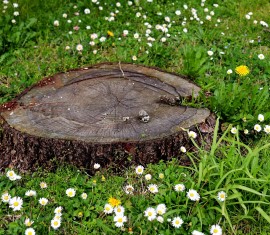
- planned pruning resulting in cuts or saw cuts with a large surface of exposed wood;
- rotting of fragments of cut shoots that were not processed in a timely manner;
- attacks by hungry rodents gnawing at the bark during the winter.
Experienced gardeners believe that damage larger than the diameter of a pencil requires treatment. Rapid restoration of damaged areas is possible with specialized treatments.
When applied, these products create a barrier that prevents harmful insects and microorganisms from penetrating the wood. One such first-aid solution is garden pitch, which has the following properties:
- the ability to adhere firmly to a wet surface;
- resistance to high and low air temperatures;
- water-repellent qualities.
When applied to a wound, garden pitch not only acts as a healing agent, accelerating healing, but also as a disinfectant.
Advantages and disadvantages of putty
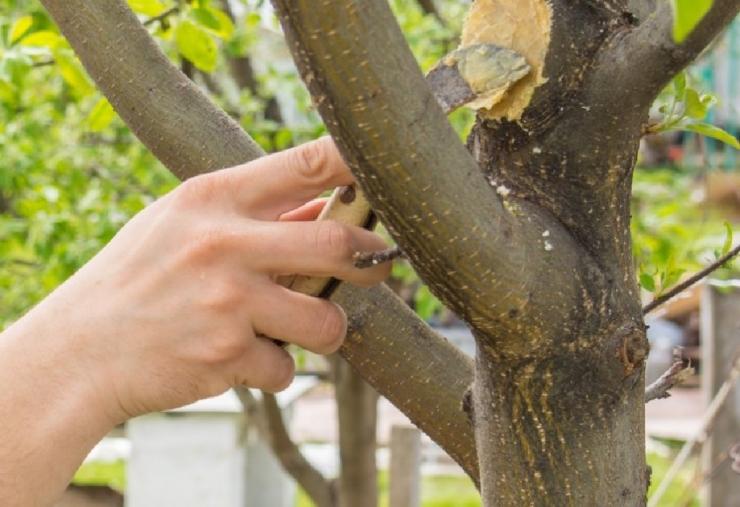 Garden varnish is an effective and environmentally friendly solution for healing wood wounds. However, when using this product, it's important to consider not only its pros but also its cons. The product's advantages include:
- no dirty marks on hands and clothes after drying;
- ease of use;
- the possibility of self-preparation at home;
- preventing the wound from drying out and infection from penetrating into it.
Disadvantages garden var the following can be called:
- excessively long drying time when treating large surfaces, leading to rotting of the damaged area;
- the inability to maintain its original state for a long time at too low temperatures, expressed in freezing and drying out.
Store-bought garden varnish may contain various chemical additives that spread across the wood when exposed to sunlight and cause burns.
Cooking recipes
 Garden varnish can be purchased at a specialty store, but you can also make it yourself. There are many ingredients for making it at home, some of which are sold at hardware or automotive supply stores. Fats and beeswax provide water-repellent properties, while resin, solid oil, or rosin provide good adhesion to the surface being treated. Ash, alcohol, charcoal, propolis, heteroauxin, and antifreeze can be added to garden varnish as wound-healing and disinfectant agents.
During the preparation process, all ingredients are heated until completely melted, allowing the liquid and solid components to mix together. The result is a homogeneous mass that either hardens after application to the damaged area or remains flexible.
There are many recipes for making garden var, each with different ingredients.
Forsyth's Putty
 This recipe's roots date back to the 17th century. The mixture is prepared without heating, making it difficult to call it a brew, but it is considered an excellent alternative. The following ingredients are used:
- bovine manure;
- old plaster, lime, chalk;
- grape or wood ash;
- river sand.
The ratio of the constituent parts is 16:8:8:1.
Instructions:
Combine the ingredients and stir until a thick mixture is formed. If the mixture is not thick enough, adjust the proportions.
The resulting mixture is applied to the wound surface in a layer approximately 2.5 cm thick. Forsyth putty is only suitable for use in dry weather, as it is not water-repellent.
This product is indispensable in cases where immediate treatment of damage is required and there is no garden pitch at hand.
The ability to quickly prepare Forsyth's mass will allow you to provide first aid to your garden crop, after which you can move on to the more labor-intensive preparation of a real garden varnish with healing components.
A universal remedy
To prepare it you will need several ingredients:
- rosin (100 g);
- charcoal (2 tbsp);
- beeswax (400 g);
- flaxseed oil (100 g).
In this case, the charcoal acts as an absorbent component, and the wax and other components have medicinal properties that have a beneficial effect on wood wounds.
Instructions:
- beeswax is melted over low heat, and after it reaches a liquid state, it is combined with rosin;
- Add linseed oil to the resulting mixture and mix thoroughly.
Add coal to the prepared mixture, stir and leave to cool.
Var Zhukovsky
The mass contains the following components in a ratio of 1:1:1:
- beeswax;
- unsalted fat;
- rosin.
Instructions:
- melt all ingredients, each in a separate bowl;
- pour everything into one container and mix well;
- leave the mixture for a while to allow it to steep;
- pour garden pitch into a container with cold water and wait until it curdles;
- remove from water to form a ball.
The putty prepared in this way must be stored in oiled paper.
After treating the wood, its surface must be covered with a cloth, otherwise wasps and bees will flock to the garden varnish.
Var Pashkevicha
Vasily Vasilyevich Pashkevich, a doctor of biological sciences and a specialist in fruit growing, once developed a simple yet effective recipe for making garden var. One serving consists of:
- 400 g wax;
- 400 g turpentine;
- 200 g rosin;
- 85 g rendered fat.
Instructions:
- melt the wax in a water bath;
- add rosin and the remaining ingredients to the melted mixture, then put on low heat for 20 minutes;
- stir the mixture while heating;
- after the allotted time, place the mixture in chilled water;
- remove the mass from the liquid, knead it and form a ball out of it.
Store the prepared garden varnish in a cool place, wrapped in oiled paper.
Var Gauga
To obtain a healing ointment according to this recipe, you will need the following components:
- 400 g resin (preferably pine);
- 1 teaspoon of regular baking soda;
- 60 ml of alcohol;
- 4 g of gum (high molecular weight carbohydrate).
Instructions:
- melt the resin and add alcohol to it;
- Add heated gum and soda diluted in water to the mixture.
After combining all ingredients, mix thoroughly and let them cool.
Reshetnikov's ointment
The composition prepared according to this recipe retains its properties at low temperatures. Its distinctive feature is its ability to quickly heal wounds on wood surfaces. Necessary components:
- 4 kg of resin;
- 400 g beeswax;
- 600 ml of ethyl alcohol (90%).
Instructions:
During preparation, the resin is placed in a double boiler, and once it has melted, wax is added. The liquid mixture is thoroughly mixed and poured into a glass container with a lid.
Var Raevsky
The recipe includes several components:
- 400 g resin (wood);
- 2 tbsp. flaxseed oil.
Instructions:
The ingredients are thoroughly mixed and poured into a suitable storage container.
The main advantage of Raevsky's var is its ability to be used in any weather conditions and the ability to be stored for a long time without losing its basic properties.
Paraffin based
To prepare the putty, the ingredients must be taken in the following ratio: 6:3:2. The recipe contains:
- paraffin;
- rosin;
- vegetable or mineral oil.
Or you can change the composition of the recipe by taking 1 part of each of the following components:
- paraffin;
- transmission oil (or the same amount of natural drying oil);
- rosin.
Instructions:
- melt the paraffin and combine with crushed rosin;
- Bring the mixture to a boil over low heat, stirring occasionally;
- add oil to the mixture and boil for 30 minutes;
- Cool the prepared garden varnish and knead it until it reaches a homogeneous consistency.
It is recommended to store the product in a glass container with a lid.
Country style
This recipe is simple and quick to prepare. To make garden varnish, simply combine equal parts liquid cow manure and fatty resin.
To ensure good adhesion of these two components, you can add the hair of any pet to the mixture.
Based on beeswax
The ratio of ingredients in this recipe is 4:2:1, for cooking you will need:
- rosin;
- beeswax;
- Visceral fat.
Instructions:
Melt the beeswax and bring to a boil over low heat, then add the remaining ingredients. Stir and simmer for at least 30 minutes, then cool and blend until smooth.
Var Gakhovicha
This recipe has been around for over 100 years, and its popularity stems from the garden varnish's ability to be stored for long periods without losing its essential qualities. To prepare, you'll need 400 g of each of the following ingredients:
- wax;
- sap;
- any rendered fat;
- turpentine.
Instructions:
- Pass all components (except turpentine) one by one through a water bath;
- combine the ingredients and add turpentine;
- Cool the resulting mixture, pour it into a suitable container, seal it tightly with a lid and store it.
Garden pitch prepared in this way does not need to be heated before use.
Turpentine based
To prepare the medicinal mass use:
- rosin;
- beeswax;
- propolis;
- turpentine.
The ratio of the listed components is 6:3:2:1.
With the addition of pork fat
In this case, you will need the following components, taken in a ratio of 4:1:1:
- rosin;
- beeswax;
- unsalted pork fat.
Options for replacing garden varnish
 If there is no garden pitch, it is permissible to use several improvised means, such as:
- Resin from cedar or pine. This product is readily available at the store. Before use, it is melted and mixed with vegetable oil or wax.
- Medical turpentine.
- Gum rosin.
- Fresh beeswax.
- An oil paint that is applied to damaged areas of trees and shrubs.
- Clay mash prepared from 200 g of clay, 2 spoons copper sulfate, 100 g mullein and handfuls of hay.
- Drying oil is applied to slightly dried cutAfter drying, you can repeat the procedure. This product does not spread at high temperatures.
- A lump of earth soaked in water.
Some gardeners believe that if none of the above substances are available, simply wrap the wound with plastic wrap. Thanks to the tree's protective properties, the wound will heal on its own after a certain amount of time.
Common mistakes when making putty
There are several reasons why you may not be able to achieve the desired result when preparing garden varnish yourself, namely:
- inconsistency in the proportions of the components, which causes the consistency to change and the quality of the composition to deteriorate;
- replacing components with cheaper options;
- Violation of product preparation technology and storage conditions.
Garden pitch should only be purchased from the store after carefully examining its ingredients; otherwise, there is a risk of harming garden crops. It's best to prepare the remedy yourself; spending 2-3 hours on this process will provide the gardener with an effective and reliable first aid kit.