Flowering shrubs for the garden: choosing the most beautiful
Landscape design requires a full range of flora. It's crucial that all shrubs and trees complement each other and create a harmonious look. Shrubs are a true garden highlight at any time of year. They can act as a hedge and provide privacy. They also make excellent decoration. Flowering shrubs truly transform the garden. They break up the monotony of grassy lawns and can be used to create interesting compositions. Medium-sized shrubs can be used to enhance the appearance of a front door or gate.
Content
How to choose a flowering shrub for your garden
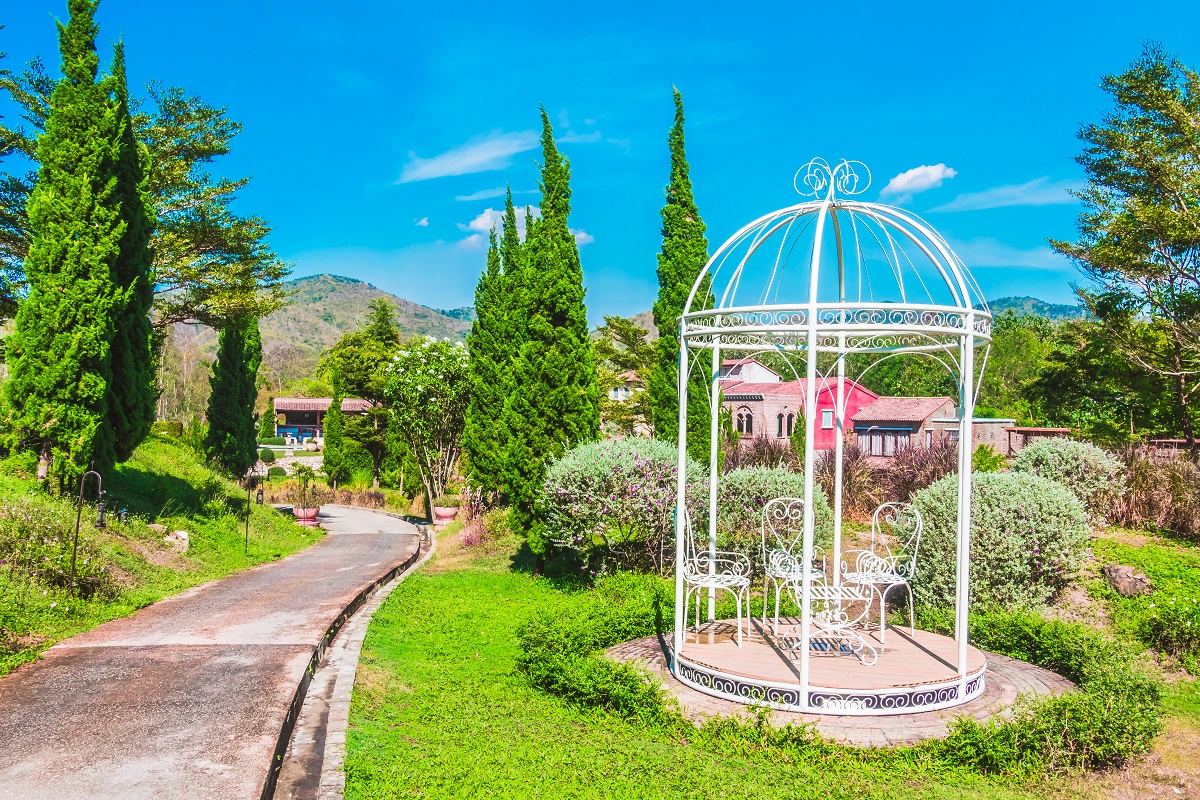
When choosing ornamental flowering shrubs for your garden, there are a number of factors to consider:
- Determine the main purpose of the shrubs. They can serve as a hedge or divide the area into zones. In the former case, tall shrubs are selected, while in the latter, low- and medium-sized groups are used. Several groups of shrubs are often planted. This technique helps break up the space. Lush, massive groups are used to create a backdrop or shade. If shrubs are to be grouped, it's first necessary to identify the characteristics and features that will be used to construct the group.
- Defining the shape: free or formal. Flowing, free forms are appropriate for a romantic style, while strict geometric shapes are best for contemporary gardens.
- Determining sizes: The simplest technique in landscape design is to use shrubs of different sizes in a group.
- Defining the direction: Based on this characteristic, shrubs can be divided into three groups. The first group includes shrubs with an upright habit. These are shrubs that are similar to trees. The second group includes shrubs that develop horizontally. These include prostrate and spreading shrubs. The third group includes shrubs with a spherical shape.
- The shape of the leaves and flowers will determine the pattern and texture. Leaves can be large or small, round or elongated, solid or jagged.
- Leaf color and flower color during flowering. In addition to green leaves, shrubs can have yellow, yellow-variegated, red, and dark red leaves.
- It's also important to consider how the group will look in winter. The color and pattern of the stems, as well as the remaining fruit, are taken into account.
- Flowering order: It is important to consider the order in which the shrubs will bloom and for how long.
The most beautiful flowering shrubs
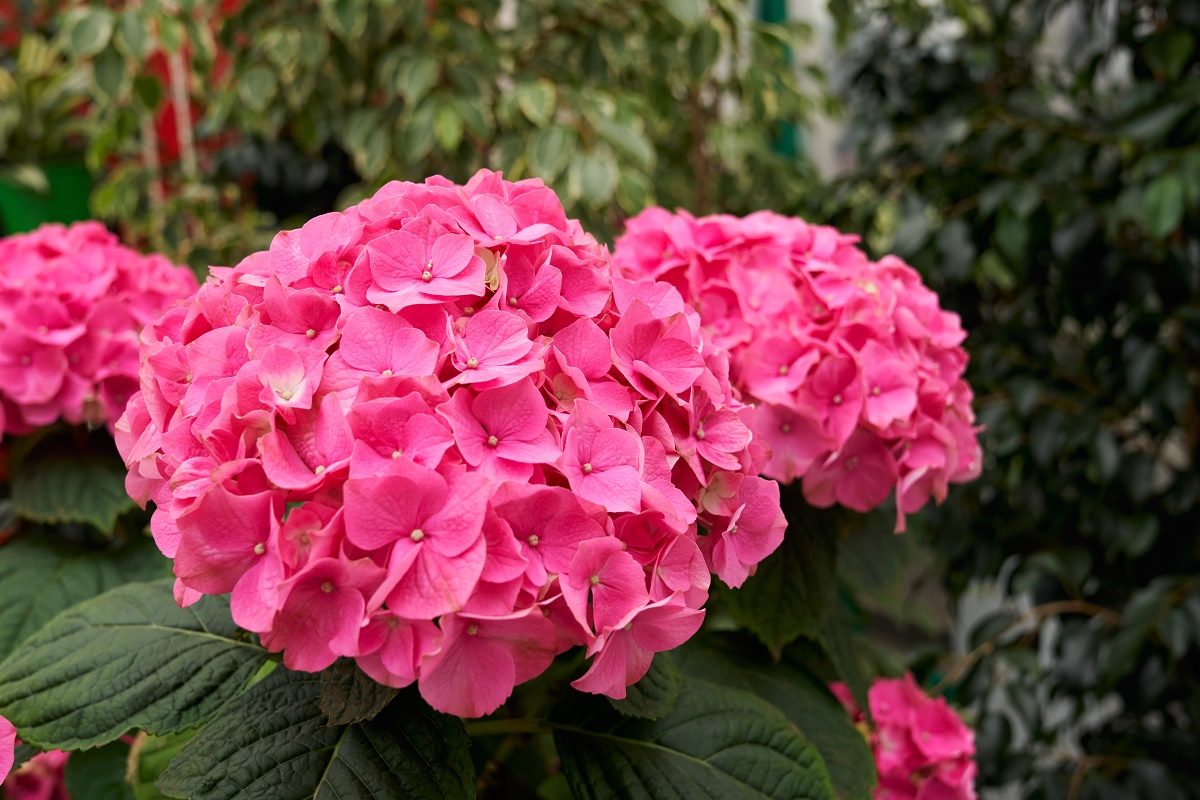
Today, many shrubs have been developed to enhance any garden design. Among them, the most beautiful are:
- Honeysuckle: a climbing shrub suitable for vertical gardening. It is characterized by good resistance to both frost and drought. It is a fast-growing plant suitable for arbor decoration.
- Mock orange: flowering begins in early June. It thrives in both partial shade and full sun. It's suitable for creating hedges. It can also be used with herbaceous perennials.
- Spiraea: This is a frost-hardy shrub. It doesn't require winter cover. If you combine several varieties, it will bloom throughout the warm season. The flowers are white and purple. This plant pairs well with hostas and junipers.
- Kerria japonica. Blooms from April to October. The flowers are rich yellow. The bush can reach two meters in height. Suitable only for well-lit areas. Recommended for pairing with conifers.
- Hydrangea: blooms from late spring to late fall. Flowers come in a variety of colors: white, beige, pink, red, and blue. It's important to protect the plant from the cold by covering it for the winter.
There are many other names for flowering shrubs that are perfect for the garden.
Shrub varieties that are resistant to low temperatures
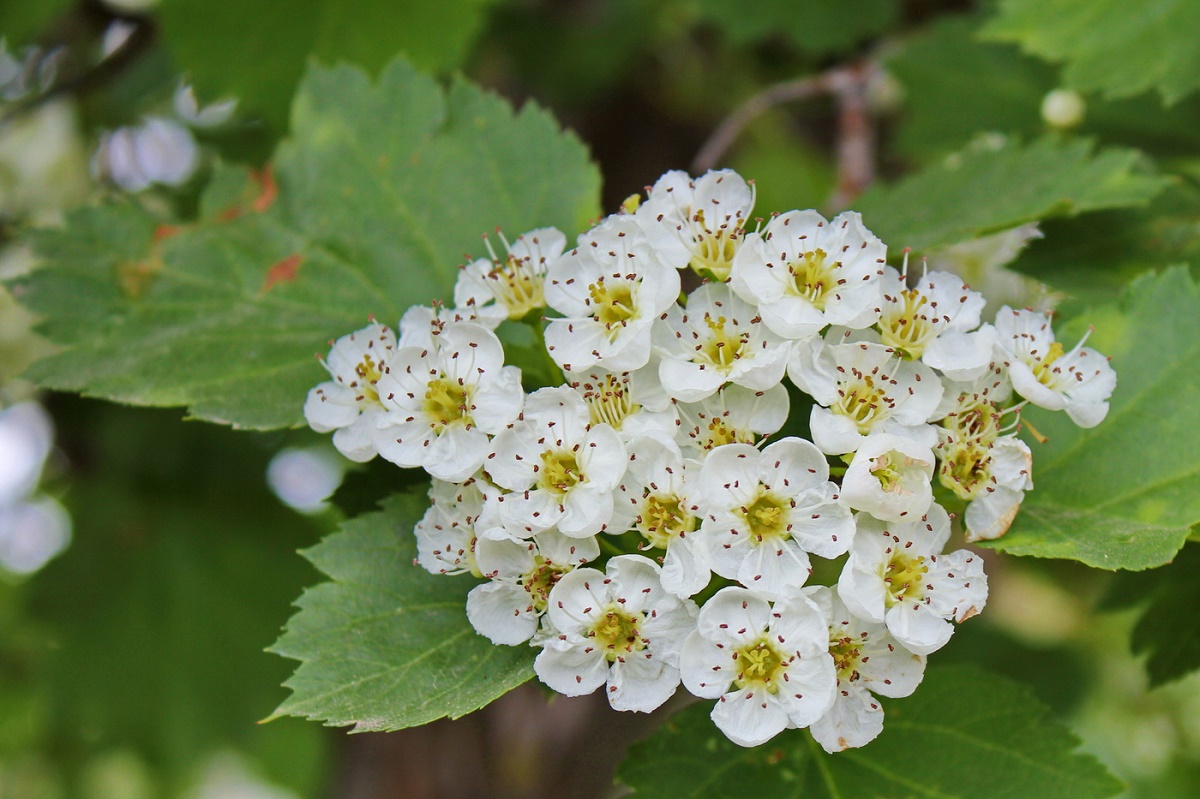
The following varieties are flowering winter-hardy shrubs:
- Blood-red hawthorn: commonly grown as a hedge, this undemanding plant adapts to any conditions. The soil can be dry or boggy. The shrub can also grow in sun or shade.
- Silver oleaster: This frost-hardy plant is grown for its very beautiful foliage.
- Red elderberry: has beautiful foliage, followed by red fruits.
Perennial shrubs
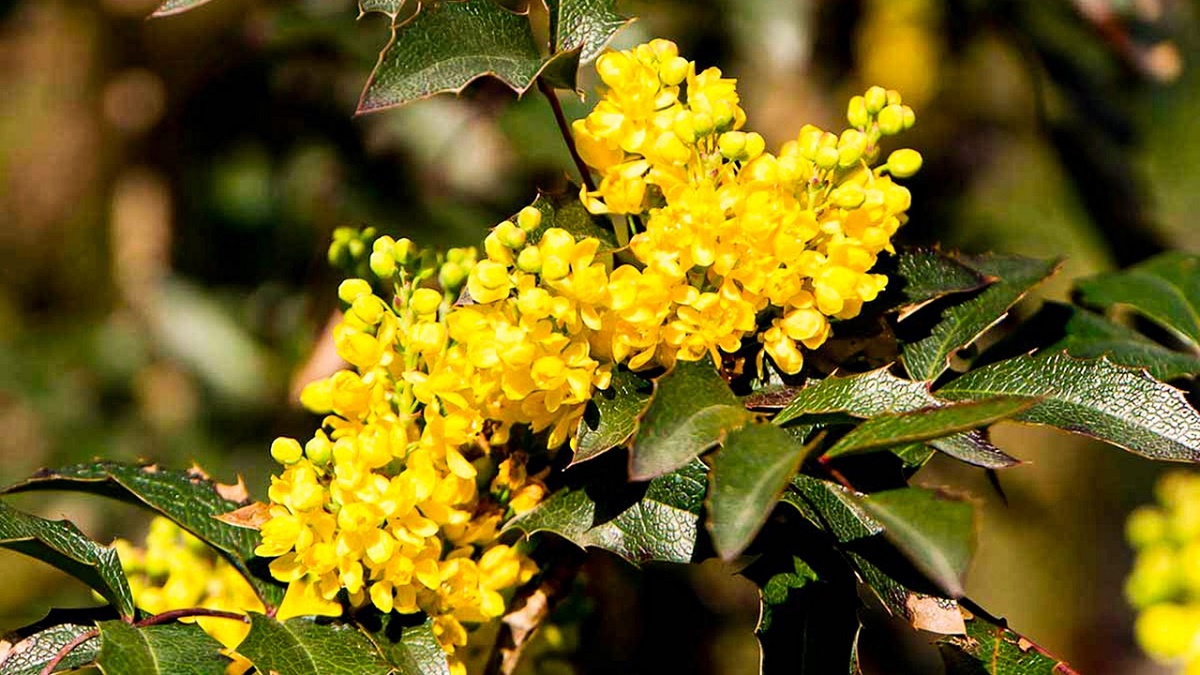
Among the perennial flowering shrubs for the garden, it is worth highlighting:
- Mahonia aquifolium: fruit-bearing. Reaches a height of up to 1.5 m. Blooms from mid-April to late June. The flowers are yellow. Looks great with dwarf yews, periwinkle, junipers, and red elderberries.
- Boxwood: This medium-sized shrub is a slow-growing plant. The dark green of the boxwood contrasts beautifully with the red leaves of heuchera and barberry, and the yellow leaves of euonymus.
- Holly: Easy to care for. It can grow in both shade and sun. Its dense crown makes it ideal for creating a hedge.
Compositions of flowering shrubs
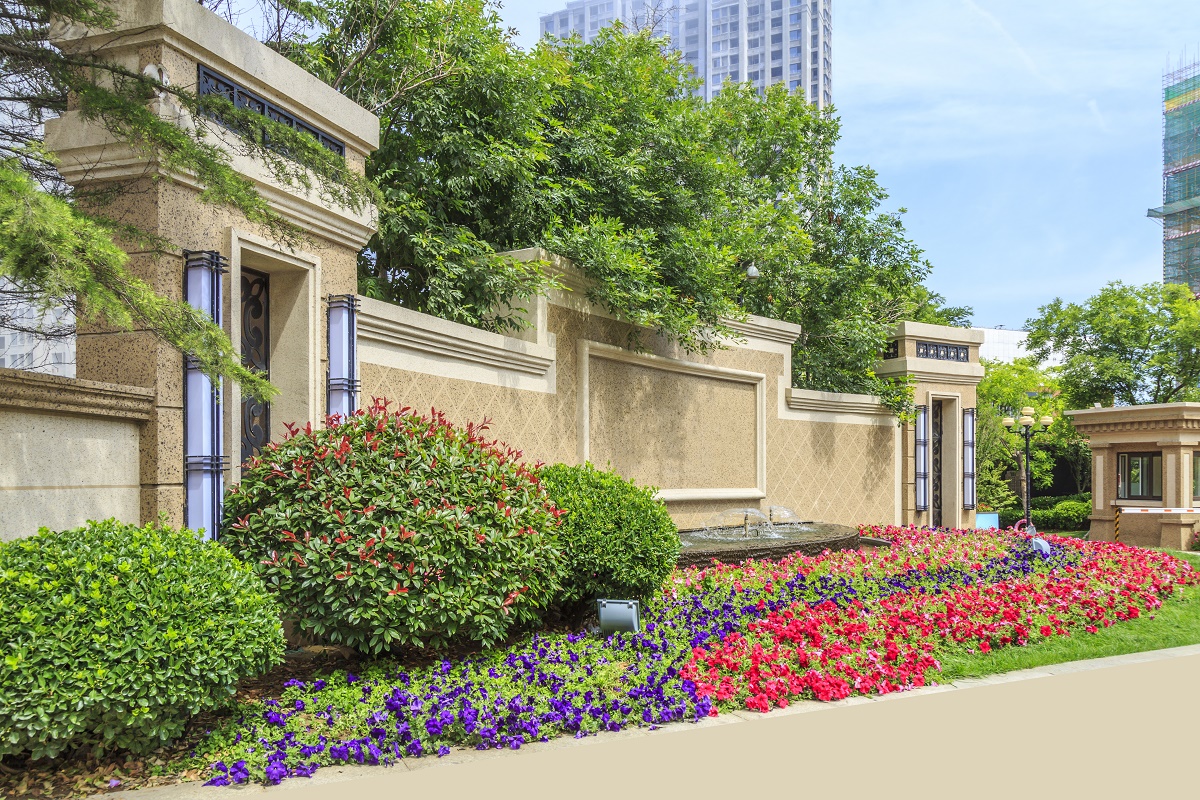
A composition of several shrubs can be a great addition to any landscape design. They can be used to decorate large spaces, house facades, and gazebos.
A group of several shrubs consists of three to five plants. A taller shrub is planted in the center, with smaller ones at the edges.
Kerria, spirea, deutzia, and weigela look great in combination. Trees and flowering shrubs can be paired with variegated euonymus, evergreen rhododendrons, golden spruce, and fiery red maple.
A hedge will beautifully transform a plot. It will create a wonderful backdrop for a flowerbed. A large plot is enclosed with a wall 1.5 m or higher. For an interior plot, a 0.5–1 m hedge is suitable. For tall fences, use hawthorn, Amur lilac, and Hungarian lilac. For medium-sized fences, use deutzia, honeysuckle, Kuril tea, and yellow rose. For low fences, use common barberry and meadowsweet.
A variant of a composition with flowering shrubs:
- Flowering shrubs include rhododendrons and almonds. They bloom in early summer, and the foliage turns purple-pink.
- Ornamental elderberry: has purple-black foliage, a pink cap of inflorescences, and clusters of black berries.
- Conifers: pyramidal thujas in the background.
The composition can also be supplemented with heuchera, peonies, irises, and chrysanthemums.
Flowering shrubs play an important role in landscape design. When choosing them, it's important to consider a number of factors. Low-maintenance perennials will delight you with beautiful blooms if properly cared for.