What is pectin: the uses, benefits, and harms of apple pectin
Pectin is one of the most popular confectionery ingredients worldwide. It serves as a gelling agent, thickener, clarifying agent, and stabilizer in cooking. In the cosmetics industry, it acts as a humectant. It is also widely used in the medical field.
Content
What is pectin in simple terms?
 Pectin is a beneficial substance found in fruits, vegetables, berries, and even some seaweed. It's especially abundant in apples. This natural component is a soluble carbohydrate that, when heated with sugar, causes the thickening and hardening characteristic of jellies and jams.
Compound
This gelling agent in its pure form can be found in liquid and powder form.
100 g of liquid pectin contains:
- 11 kcal;
- 2.1 g fiber;
- 96.9 g of water;
- 1 g of ash.
100 g of dry product includes:
- 335 kcal;
- 0.3 g fat;
- 90 g carbohydrates;
- 0.3 g protein;
- 8.6 g fiber;
- 0.3 g ash.
In addition to all of the above, the natural component of plant origin contains minerals such as magnesium, potassium, calcium, phosphorus, iron, sodium, zinc and copper.
What does pectin contain?
Pectin is found in many plants. In the food industry, pectin is produced primarily from apples and is designated as additive E440. High levels of the substance are also noted in:
- in apricots;
- quince;
- oranges;
- pears;
- lemons;
- tangerines;
- peaches;
- plums.
Pectin is also found in significant quantities in vegetables and berries. Large amounts of this gelling agent are found in:
- beets;
- eggplants;
- white cabbage;
- green peas;
- onions;
- carrots;
- cucumbers;
- pepper;
- tomatoes;
- radish.
Berries are an equally valuable source of beneficial nutritional supplements. These include:
- cherry plum;
- strawberries;
- grape;
- cranberry;
- red currant;
- raspberry;
- cherries;
- black currant.
Sugar beet holds the record for the highest pectin content among vegetables.
What are they made of?
Pectin powder, which is readily available commercially, is typically made from apples. Culinary pectin is also typically made from citrus peels, sunflower heads, and sugar beet and pumpkin pomace.
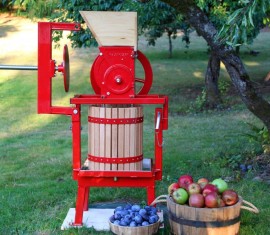
It is obtained by aqueous extraction of plant materials from apple pomace, followed by selective precipitation using salts and alcohol.
The benefits and harms of pectin
Pectin's benefits stem from its rich chemical composition. The product offers a number of positive properties for the human body. These include:
- cultivation of beneficial bacteria;
- removal of toxins and waste from the body;
- restoration of the balance of bacterial flora;
- lowering cholesterol levels;
- protection against colon cancer;
- maintaining glucose levels;
- decreased feeling of hunger;
- normalization of stool;
- restoration of damaged intestinal tissue;
- prevention of gallstone formation, dissolution of existing ones;
- removal of heavy metal salts;
- reducing the load on joints and strengthening them.
However, it's important to remember that consuming large amounts of foods high in pectin can lead to undesirable consequences. The potential harm to the body may include:
- increased gas formation, bloating, pain;
- diarrhea;
- disruption of the absorption process of zinc, calcium, magnesium and iron;
- allergic reaction to pectin obtained from citrus fruits;
- influence on the process of drug absorption.
Before starting to take a dietary supplement, it is best to consult a doctor to determine a safe daily dose of the product.
Apple pectin: application
Beyond the culinary field, pectin is successfully used in other, equally important areas of human life. It is most often used in cosmetology, traditional medicine, and for weight loss. excess weight.
In cosmetology
 Properties of apple pectin in cosmetology: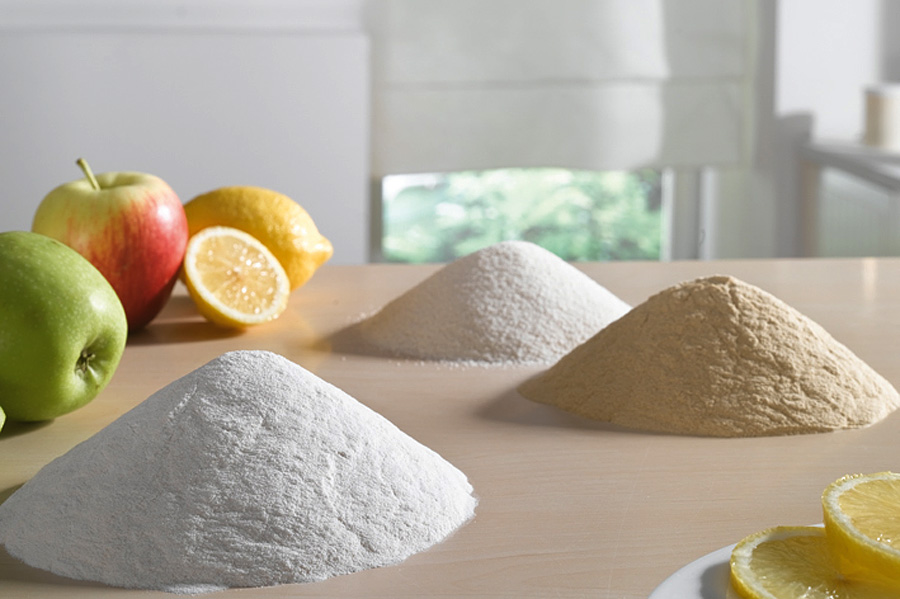
- smoothes the skin and makes it more elastic;
- activates the process of absorption of vitamins, active ingredients and other useful components;
- moisturizes any skin type;
- helps to even out the tone of the epidermis;
- whitens pigment spots on the skin surface;
- helps cleanse the dermis of toxins;
- increases cell turgor;
- promotes regeneration of the epidermis, improves its health;
- protects skin from ultraviolet radiation;
- It is a component of cosmetic products as a thickener, gelling agent and enzyme.
For weight loss
This beneficial polysaccharide, derived from fruits, berries, and vegetables, is a real find for those looking to lose weight. It's a source of natural plant fiber that dissolves in water, cleansing and nourishing the body. To use, add 1 teaspoon (3 g of powder) to a glass of juice or other beverage and blend with a hand blender or blend by hand.
It is recommended to consume pectin solution between main meals, 1 glass 2 times a day.
In folk medicine
In folk medicine, pectin is widely used to treat joint problems. It should be taken in significant quantities during the first two weeks after an injury or inflammation. Depending on the severity of the problem, the recommended dose can be up to 25 g. Subsequently, the dose should be reduced, but not lower than 5 g per day. This amount is sufficient to maintain joint health and promote cartilage restoration.
The body may not accept synthetic pectin if it is not combined with a natural component.
Pectin in cooking
In cooking, pectin plays the role of a natural food additive. Its natural properties as a gelling agent are primarily used.
Where to add
This beneficial, tasteless and odorless ingredient is added to the following food groups:
- marmalade;
- marshmallows;
- jelly candies;
- marshmallow;
- jam;
- jam;
- confiture;
- fruit fillings;
- drinking yoghurts;
- fruit drink concentrates;
- soy drinks;
- mayonnaise;
- ketchup;
- fruit fillings;
- frozen dough;
- margarine;
- bakery products;
- cheeses.
How to use correctly
There are three ways to use pectin in cooking. They are as follows:
- The powdered substance is mixed with sugar and added to the main dish, stirring constantly. The temperature of the food being cooked should be at least 50 degrees Celsius.
- Apple pectin is first dissolved in boiling water and carefully poured into the dish being prepared.
- Dissolve in sugar syrup, and then add all the other ingredients.
Popular recipes
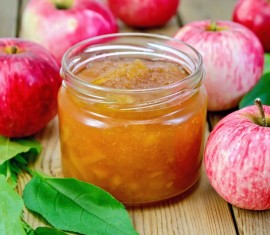
You can find a huge number of sweet dessert recipes that use pectin. The most popular ones include jam, jellies, and preserves.
Jelly
One of the most popular recipes using pectin is redcurrant jelly. It's a delicious and healthy dish.
Components:
- 500 g currants;
- 100 g sugar;
- 25 g pectin.
Recipe:
- The currants are pureed in a blender.
- Add a little water and cook for 5 minutes over medium heat.
- It is filtered, and sugar and pectin are added to the resulting mixture.
- Stir and cook again for 5 minutes, stirring regularly.
- The prepared liquid is poured into bowls and left to solidify.
Jam
The traditional method for preparing this versatile seasonal treat can be quite time-consuming. But thanks to pectin, the process can be significantly sped up.
Ingredients:
- 2 kg of sugar;
- 2 kg of any berries;
- 3 tbsp. pectin;
- 1 tbsp. butter.
Preparation:
- First, puree the berries and add sugar and pectin to them.
- Bring the mixture to a boil over low heat, stirring constantly to prevent burning.
- Add butter, cook for another 5 minutes and pour into sterilized jars.
Confiture
This type of jam is a jelly made with berries or pieces of fruit. Most often, it is made from strawberries.
Components:
- 1 kg strawberries;
- 400 g sugar;
- 150 ml of water;
- 50 g pectin;
- 2 tbsp lemon juice.
Recipe:
- The berries are lightly crushed, lemon juice and sugar are added and the entire mixture is thoroughly mixed.
- The mixture is left for 10 minutes, and in the meantime the pectin is dissolved in water and boiled (1 minute).
- The resulting liquid is added to the main mixture, stirred and cooked for another 4 minutes.
Butter is necessary to minimize the possibility of foaming.
Answers to frequently asked questions
Pectin and gelatin: what's the difference?
The main difference between these two products is that pectin is a plant-based substance, while gelatin is animal-based. The latter type of gelling agent is not suitable for those observing Lent or following vegetarian diets. Furthermore, it only sets at low temperatures, so cooking takes longer.
Agar-agar or pectin: which is better?
Unlike gelatin, agar-agar is a plant-based product. Therefore, it is on par with pectin in culinary terms. However, agar-agar has a significant advantage in terms of calorie content. Pectin has 336 kcal, while agar-agar has only 12 kcal. When choosing which product is best for you, remember that pectin gives finished dishes a soft and chewy texture, while agar-agar provides a denser texture.
What is the degree of esterification of pectin?
The most important property of pectin, which influences its applications in food production, is its degree of esterification. Essentially, this is the ratio of the number of esterified carboxyl groups to every 100 carboxyl groups of pectic acid. Depending on the degree of esterification, pectin can be classified into two types: high-esterified and low-esterified.
The first type is mainly used for the production of marmalades, jams, preserves, and juice-containing drinks, and the second type is used for dairy products.
Citrus pectin: what is it?
Citrus pectin, like apple pectin, is a pure, natural product. It is produced by aqueous extraction from the peels of grapefruit, lemons, and oranges. It effectively lowers cholesterol and is used in folk medicine to treat joint problems. It can cause allergies. Along with apple pectin, it is one of the main industrially produced products.