The health benefits of freshly squeezed and packaged apple juice
Content
Chemical composition
Apple juice is one of the most popular drinks, characterized by its low calorie content and pleasant taste. Freshly squeezed, it offers numerous beneficial properties due to its unique chemical composition.
The juice contains:
- vitamins: C, E, H, PP, group B;
- potassium;
- calcium;
- phosphorus;
- magnesium;
- sodium;
- iron;
- iodine;
- molybdenum;
- manganese;
- copper;
- zinc;
- chromium;
- rubidium;
- digestible carbohydrates;
- Amino acids: replaceable and essential.
Nutritional value
 100 g of apple juice contains:
- proteins – 0.5 g;
- carbohydrates – 10.1 g;
- fats – 0.1 g;
- dietary fiber – 0.2 g;
- water – 88 g.
Caloric content – 46 kcal (3.1% of the recommended daily intake).
Health benefits of apple juice
The main benefit of apple juice is its iron content. This helps increase hemoglobin levels in the blood, which is especially important during pregnancy and lactation, as well as for anemia and vitamin deficiency. pregnant women Apple juice is invaluable for its diuretic effect. It also has a number of other beneficial properties:
- cleansing blood vessels, increasing the elasticity of their walls, preventing capillary fragility;
- strengthening of cartilage and bone tissue;
- suppression of free radicals, which slows down cell aging;
- elimination of inflammatory processes;
- stimulation of brain activity, prevention of sclerosis and Alzheimer's disease;
- strengthening the nervous system, eliminating nervous disorders and depression;
- improving blood circulation, reducing the risk of atherosclerosis and thrombosis;
- normalization of the cardiovascular system, prevention of the development of heart attacks and ischemic heart disease;
- removal of radionuclides from the body, protection from radiation, which is especially important for people working with various types of radiation;
- providing anti-cold and antiviral effects;
- strengthening the immune system;
- restoration of the body after operations and serious illnesses;
- normalization of metabolic processes, reduction of cholesterol concentration in the blood;
- providing a laxative effect (eliminating and preventing constipation);
- normalization of blood pressure.
Based on numerous studies and observations, scientists have concluded that regular consumption of apple juice rejuvenates the body of elderly people by 15–17 years.
Rules for selecting and storing juice
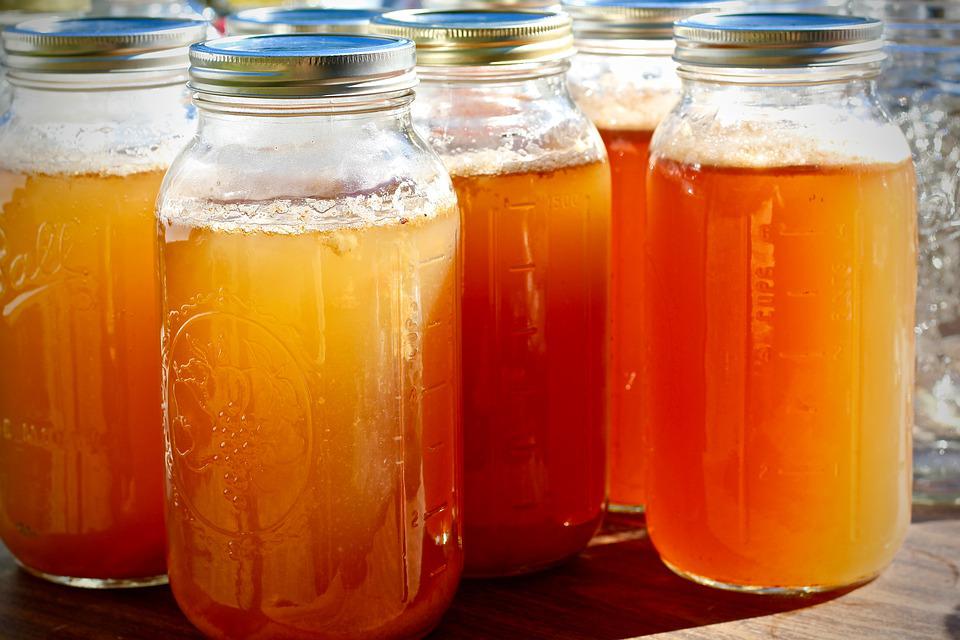
Most apple juice found on store shelves is produced industrially using a press. The production process involves pressing, pasteurization, and packaging the finished product. Some technologies involve extracting apple juice from concentrate, followed by clarification and filtration. Modern manufacturers offer a wide range of this product, with products varying in composition, production technology, and packaging type (box, bag, glass, plastic).
When choosing apple juice, it is important to pay attention to the following information:
- Packaging type. Glass containers allow for a clear view of the drink's appearance. The cardboard box provides reliable protection from sunlight, preserving the maximum amount of vitamins and nutrients.
- Type of juice – the product can be reconstituted, directly squeezed, or obtained from concentrated juice/puree.
- Nutritional value per 100 g.
- Date of manufacture.
- Name of the manufacturer and its address.
At room temperature, freshly squeezed apple juice can be stored for no more than 2 hours. refrigerator - one day.
When storing a store-bought beverage, you must follow the manufacturer's recommendations indicated on the packaging.
How to make apple juice at home
Any variety of apples can be used to make your own apple juice. The key requirement is that they be juicy and not too soft. The preparation process involves several steps:
- Prepare the fruits: wash, cut out the seed box, remove cuttings.
- Cut into several pieces to fit easily into a juicer.
- Squeeze and strain the finished product through several layers of cheesecloth. Filtering is not necessary to obtain juice with pulp.
- Pour into glass containers and place in fridge.
Canned apple juice is prepared using a juice cooker.
Apple juice consumption rate
For health purposes, the recommended daily intake of apple juice is:
- adults – 250–500 ml;
- for children under 1 year of age – no more than 100 ml;
- children aged 3 to 5 years – 120–180 ml.
Apple juice is a healthy and easily digestible drink. However, it's important to remember that excessive consumption can lead to adverse effects.