Tart, light, delicious apple calvados
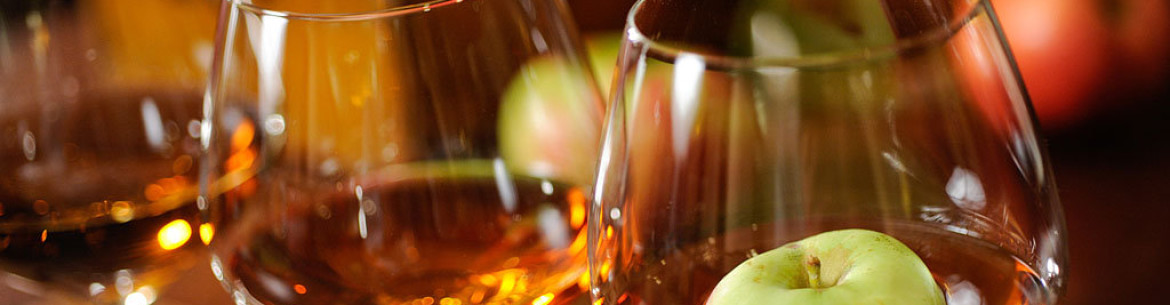
Calvados is a strong drink given to the world by the French. It is produced by distilling apple wine or cider. It is classified as a brandy.
Content
Necessary products
To make Calvados at home you need to prepare:
- Several varieties of apples. Ideally, you'll need a mix of sweet and tart late-autumn varieties. They should be juicy. Apples with a slight bitterness are acceptable.
- Wine yeast. It ensures proper fermentation of the must without mold formation. Its use is especially beneficial when producing cider from store-bought fruit.
- Water of good quality.
Sugar is not used in the classic version of the drink. At home, a small amount of sucrose can be added to speed up fermentation.
Equipment
 You will need:
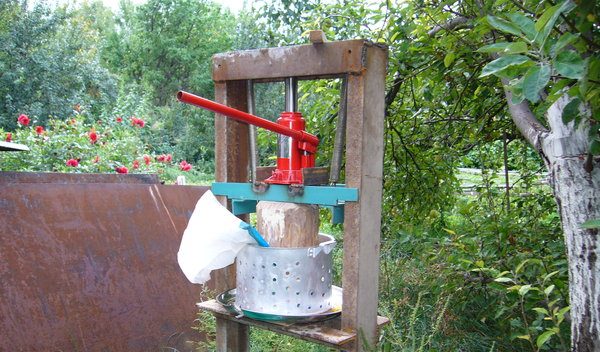
- device for crushing raw materials (crusher, meat grinder, juicer);
- containers with a water seal for cider fermentation;
- moonshine still for distilling wort - the optimal option is equipment made of stainless steel, supplemented with copper cassettes;
- alcohol meter for determining the strength of moonshine;
- oak containers for aging the drink or glass bottles with oak chips without bark.
Technological subtleties
The preparation of Calvados is carried out in several stages and takes (including maturation) from several months to two years.
Primary processing and crushing of apples
- The selected apples are not washed, only the stems are removed. Experts recommend leaving the seed pods, as they add richness to the finished Calvados. The apples are crushed using any available method. The apple pulp is pressed, and the resulting juice is left to settle in a dark place for 20–25 hours.
- After 24 hours, 4 kilograms of sugar and 160 grams of yeast are added to the carefully drained liquid from the pulp for every 40 liters. The resulting mixture is then fermented, sealing the container with a water seal. The cider will ferment for about a couple of weeks. The end of the maceration process is characterized by the complete disappearance of the sweetish flavor. The alcohol content of the mixture at this stage is 5±1°. Now you can begin filtering and distilling the wort.
First and second distillation of cider
- During the first distillation, the drink is processed in a short period of time, achieving a crude alcohol strength of approximately 30°. The second distillation improves the quality of the resulting concentrate, increasing its strength to 70–80°.
- During the second distillation, the product is separated into fractions (primary distillate, classic apple moonshine and “tail”).
Aging Calvados
It's this final step that allows the fruit spirit to transform into a drink with the intriguing name of "Calvados." French distillers age the distilled spirit in oak barrels for at least three to five years, periodically tasting the distillate. At home, you can replace this lengthy process with a six-month macerating of the moonshine in vessels with oak chips. Oak tannins impart a distinctive aroma, smoothness, and a vibrant finish to the drink.