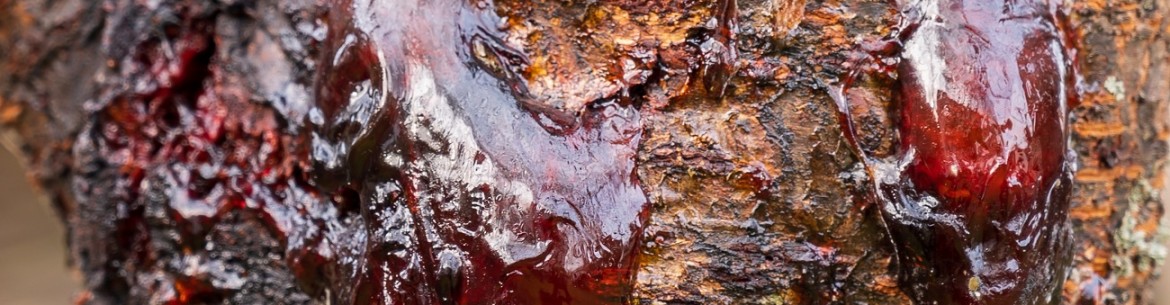
Why is sticky liquid dripping from my apple tree?
There may be several reasons why apple trees are dripping sticky liquid. Gardeners call this process gummosis. It's believed that this is the tree's way of trying to fight off the disease, but such treatment is ineffective. If an amber liquid begins oozing from the trunk, branches, or fruit, the apple tree is signaling a problem and needs help.
Content
What is gummosis?
Gum flow is characterized by the synthesis of a clear, amber-colored liquid, quite thick in consistency. This sticky substance emerges from holes in the bark and is known as gum. Many perennial crops suffer from this condition.
Gum contains calcium, magnesium, potassium, and various organic acids. It is usually tasteless, but can sometimes be sweet or slightly bitter. The characteristic flavor appears when the tree is infected with fungus.
Gum appears in the trunk, branches, and fruits—this is largely due to the presence of starch in plant tissues. Excess starch leads to tissue degeneration.
Increased starch concentration in wood can be caused by external factors or improper agricultural practices. Some gardeners neglect preventative measures against fungal and viral diseases of apple trees. The appearance of gum indicates a pathological inflammatory process in the tree tissue.
In affected organic cells, mineral metabolism is disrupted, and starch concentration increases. The cells stop forming new wood, transforming into gum.
The amount of amber-colored fluid secreted by the tree increases gradually. It is synthesized from wounds in the bark, which are usually quite deep. Prolonged gummosis significantly weakens the plant, leading to the death of individual sections and even entire trees.
Why does the problem occur?
Gum flow can be caused by:
- mechanical damage to the bark;
- incorrect pruning or crown shaping;
- mismatch of the variety with the climatic growing conditions;
- deficiency or excess of minerals;
- soil acidification;
- improper irrigation;
- damage to the trunk by harmful insects;
- frostbite and sunburn.
Damage to the bark by viruses and fungi
Fungi and viruses have the ability to penetrate the stem cells, causing damage. If this is suspected, use a sharp knife to scrape away dead tissue from the damaged area. If the wound is large, seal it with garden varnish, which contains beeswax and mineral components that accelerate healing.
It is unacceptable to use preparations containing petroleum products to treat open wounds on tree bark, otherwise the tissue will die and chemical burns will occur.
Errors in crown shaping and pruning
The appearance of an amber liquid on the trunk and branches of an apple tree can be caused by improper shaping or pruning of the plant for sanitary purposes.
This happens when gardeners use poorly sharpened tools, prune branches too much, or don't follow the proper pruning schedule. This leads to excessive sap flow, rot in the affected areas, and reduced frost resistance.
Mismatch of the variety with the climatic growing conditions
If the apple tree variety is not suited to the growing climate, gummosis can also occur. Gummosis develops in conditions of high humidity and low temperatures, as well as extreme summer heat. Prolonged frosts in winter and dry, hot winds in warmer months damage trees, triggering excessive sap production. A similar problem occurs with recurrent frosts in spring and prolonged thaws. If the variety is not adapted to these conditions, it will eventually die.
Gum flow can occur due to a lack or, conversely, an excess of organic matter or mineral fertilizers. Fertilizers must be applied to the tree's trunk circle correctly.
Excessive sap flow in apple trees is often caused by fungal and bacterial diseases. These diseases have a detrimental effect on shoots and the vascular system. To prevent fungal growth, trees should be sprayed three times per season with Bordeaux mixture or copper sulfate solution.
Unsuitable soil
Another factor that triggers gummosis is soil acidification. This occurs when too much potassium and magnesium accumulates in the soil. To neutralize the soil, use shell rock, slaked lime, chalk, dolomite flour, and wood ash. These help normalize the soil pH and increase the concentration of available calcium.
Sap production by apple branches and trunks often occurs when apples grow in areas with heavy clay soil. Stagnant moisture in the soil increases the concentration of minerals in the wood, disrupting cell formation. Overwatering and heavy soil cause root rot, which can lead to the death of the apple trees.
To improve the composition of clay soil, use rotted manure, river sand, and compost. The soil in the area where apple trees are growing will need to be constantly loosened, and weeds around the tree trunks should be promptly removed.
Improper watering and pest attacks
Both a lack of moisture and an excess of it interfere with the normal absorption of minerals. Trees are deprived of the opportunity to develop normally.
Bark-damaging insects cause significant damage to plants. These include bark beetles, scale insects, and thrips. Treating the garden and tree trunks three times in early spring, before the sap begins to flow, will help prevent their occurrence.
Frostbite and burns
Sometimes gummosis causes frostbite on apple trees and sunburn. Trees can be protected from the latter by whitewashing the stems and skeletal branches. This procedure is performed in the fall after the leaves have fallen but before frost sets in. Trees can also be whitewashed in the spring.
If an apple tree cries, it means it needs help; a gardener should not ignore this sign if he wants to get a big harvest.