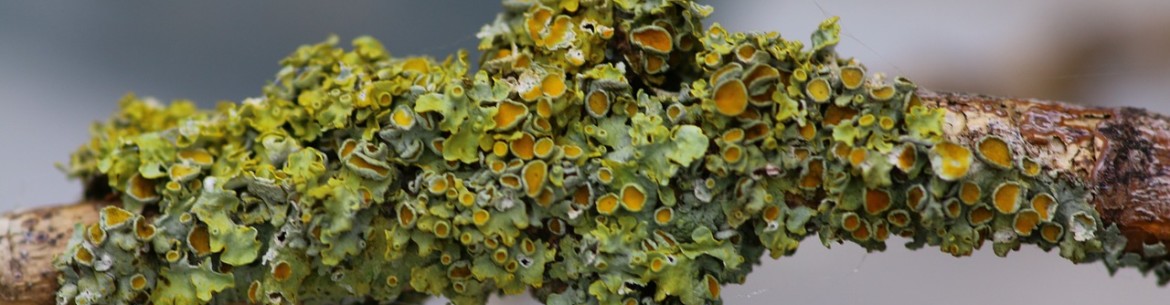
Lichen on an apple tree: what to do to get rid of harmful growths
The appearance of a plate-like growth on the bark of apple trees is a very common occurrence. Every gardener encounters it frequently. Large fruit-bearing areas with high humidity are a favorite habitat for this fungus. Never delay combating lichen on apple trees, as its active growth threatens not only the harvest but also the survival of the entire tree.
Content
- What is lichen?
- Types of parasitic organisms
- Causes of lichen appearance
- What harm does lichen cause to a tree?
- Signs of infection
- Methods for cleaning trunks and branches
- Effective medications for lichen
- Treating old apple trees
- Removing lichen from a young tree
- Features of treatment in different areas of the apple tree
- Prevention of lichens
What is lichen?
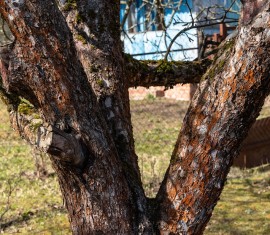
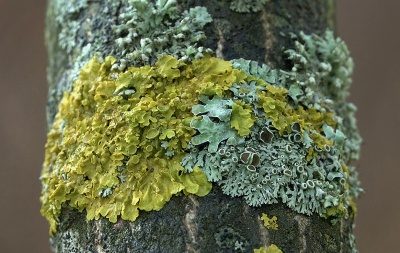 Lichen is a plate-like structure composed of a group of living organisms. It resembles a bluish-yellow coating that quickly spreads over the surface of a tree trunk or skeletal branches.
This growth is a symbiotic association of fungus and algae, densely layered on the bark of the fruit tree. The parasite doesn't use the apple tree as a food source, but rather uses it as a support structure. Its small rosettes, which grow rapidly, occupy ever-larger areas.
Lichen parasitizes fruit trees, slowing their growth, reducing yields and damaging the wood.
Lichens survive through photosynthesis and can live for hundreds of years. These growths have no roots, and obtain all the nutrients they need from rainwater and dust. These parasitic organisms most often infest older apple trees, which are no longer as vigorous as they once were. However, lichens often attack young trees as well.
Types of parasitic organisms
Apple trees are typically affected by several types of lichen.
The most common types are:
- lamellar;
- scale;
- scaly.
By color, lichens are:
- golden;
- gray;
- yellow-green;
- blue.
Much less frequently, infection occurs in the bushy species, which prefers exclusively old trees.
They begin their development in the shaded part of the trunk. Ideal conditions for their emergence are dampness and lack of sunlight—under these conditions, lichen control on apple trees will be the most difficult.
Causes of lichen appearance
The primary cause of lichen colony development is high humidity. Other contributing factors include: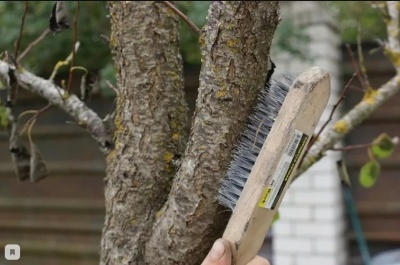
- thickening of the tree crown;
- lack of regular pruning;
- bark cracking;
- sunburn;
- frostbite of wood;
- violation of the root system.
All these factors lead to poor ventilation of the trunk and branches, as well as active lichen growth. The tree's natural growth is inhibited, thereby paving the way for the growth of fungal growths.
What harm does lichen cause to a tree?
Lichen isn't a parasite in the true sense of the word; it doesn't feed on the apple tree's sap and doesn't cause any significant harm. However, if left untreated, the organism begins to grow rapidly, clogging the pores and restricting airflow. Furthermore, this parasitic organism provides a favorable habitat for dangerous microbes and insect pests. By settling in the fungal and algal growth, they begin to damage the tree, often leading to its death.
Signs of infection
Identifying lichen on an apple tree is very easy. Infection with the parasitic fungus has a number of characteristic symptoms:
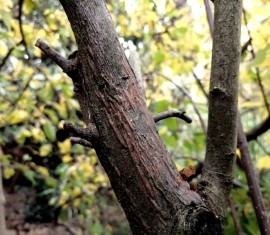
- green streaks on the trunk and skeletal branches;
- lumpy, hard growths;
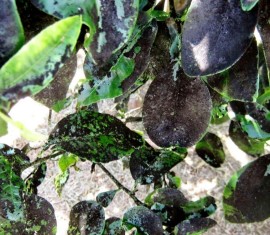
- plaque and mold on the trunk, rust on the leaves;
- dry areas on the bark.
At the final stage of fungal development, the surface of the trunk and branches becomes covered with large yellow or blue growths.
Methods for cleaning trunks and branches
Trees should be cleared of parasitic growths as soon as the problem is identified. Experienced gardeners recommend combining this procedure with preventative pruning, performed before bud break or after leaf fall.
You can also adjust the timing of your spraying. For this procedure, it's worth stocking up on a heavy-duty scraper in advance, and for larger growths, a garden knife will be needed.
All collected parasitic organisms are immediately burned after removal, not giving the insect larvae living in them a chance to survive.
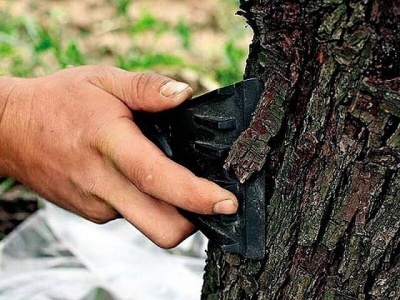
To remove lichen, use a wooden or plastic scraper to cause minimal damage to the bark.
Effective medications for lichen
Chemical fungicides are the most effective in combating lichen. Fitosporin and Skor have shown good results. Strictly following the instructions will protect you from additional problems, such as burn tree bark.
Copper sulfate
 Spring treatment with solution copper sulfate At a concentration of 3%, it causes the parasitic organisms to dry out and fall off. Large growths require repeated irrigation of the apple tree.
Soda ash
Minor infestations can be removed with regular washing soda. To do this, dissolve 120 g of the solution in a 10-liter bucket and rinse the affected areas of the bark.
Whitewash
Autumn and spring whitewashing should be carried out regularly, regardless of whether a problem is identified. To do this, dilute 0.5 kg of slaked lime in a bucket of water and apply the resulting slurry to the trunk in a thick layer up to the first branches.
Urea
Shows good results in the fight against fungus ureaA matchbox of the product should be diluted in a bucket of water, applied to the trunk, large branches, and the area around the trunk.
Treating old apple trees
Treating old trees requires a comprehensive approach, especially if they have extensive lichen infestation. After cleaning the apple tree, trim off any old branches and burn all the collected material. The next step is treating the tree with a copper sulfate solution and washing with baking soda.
Removing lichen from a young tree
We treat young apple trees with caution. After actively removing lichen, you can get burn soft wood. A medium-hard scraper is suitable for this procedure.
When spraying with preparations, make sure that the solution does not come into contact with the fabric that has been exposed after cleaning.
Features of treatment in different areas of the apple tree
Depending on the affected area, lichen should be treated according to a specific plan.
Leaves and branches
In this situation, cleaning will do more harm than good. Therefore, if the tree is small, it's best to remove and burn the affected leaves. Treat the branches with a solution. urea or soda ash.
Trunk
The trunk is thoroughly scraped with a suitable scraper and disinfected with a copper sulfate solution. Next, spray it several times with fungicides or a soda solution. After drying, whitewash.
Roots
If lichen has taken up residence in the root system, it's physically impossible to remove it. Treatment with special preparations will be necessary. To do this, the root circle should be watered generously three times. water fungicide or antifungal agents.
The interval is 3-5 days.
Prevention of lichens
 In this situation, preventative measures are the best way to address the potential problem. Preventing lichen from appearing in your garden is possible by following these guidelines:
- regularly carry out therapeutic thinning of the crown;
- in spring, treat the trunk and lower branches with a 3% solution of iron or copper sulfate;
- don't forget to apply fertilizers on time and water regularly;
- Destroy insects and treat apple tree diseases in a timely manner.
A parasitic growth affecting an apple tree shouldn't be a cause for panic. Moreover, it's not all that difficult to combat. Taking timely steps will help curb the fungus's growth and save the orchard from ruin.