How to get rid of snakes in your garden: fighting creepy crawlies in your garden
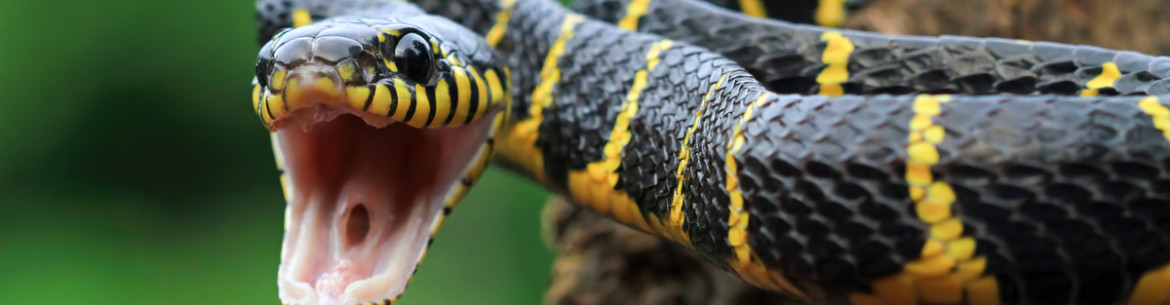
Every homeowner should know how to get rid of snakes on their property and what measures to take. Reptiles can cause a lot of problems if their numbers aren't kept in check.
Content
Reasons why snakes appear in summer cottages
 The main reason snakes appear on property is human encroachment on their natural habitat. Reptiles are forced to colonize new territories, which leads to changes in their natural ecosystems. They migrate to areas with favorable habitat conditions. They choose areas with a good food supply—small rodents and amphibians. If a private property is infested with mice, frogs, and toads, there's a good chance snakes will soon appear.
These reptiles lead a sedentary life and rarely migrate; they begin searching for new habitats only when the previous one is destroyed or captured by competing animals.
Snakes can invade a property if the owners do not keep it clean, have a chicken coop or dovecote, or do not control the rodent population.
Common species of snakes in the central zone

Several species of snakes inhabit central Russia. Non-venomous ones include the grass snake, copperhead, and racer. Venomous ones include the viper.
The first three species can only frighten and leave a wound in their bite. Grass snakes prefer to eat frogs and small rodents; these reptiles are even considered beneficial.
Vipers should be feared, their bite can be fatal.
The most dangerous period is spring, when snakes begin to shed and lay eggs. August is equally dangerous. During these months, reptiles exhibit increased activity and aggression. Let's look at the main reasons for their appearance in areas.
Availability of food
Reptiles prefer to feed on small rodents, insects, and bird eggs. If any of these are present in your yard, snakes may be attracted to your property.
Secluded shady places
 Snakes are attracted to secluded, shady spots; they provide an ideal habitat. These reptiles often choose to live in the border zone separating a forest from a field, or in the area between a forest and a swamp. Such lands are increasingly being converted into summer cottages.
Reptiles like to lie in shady, warm, quiet, and undisturbed places. Tall grass, trash heaps, tree roots, logs, and planks can serve as shelter.
Forest and abandoned houses nearby
The presence of forests and abandoned houses nearby is ideal for reptiles. They easily create dens in such places and actively reproduce. Forests are a natural habitat for reptiles—slithering creatures can easily end up on the property while searching for food.
The snake infestation may also be caused by deforestation. They are also attracted to abandoned houses and overgrown areas.
How to repel snakes from your garden plot
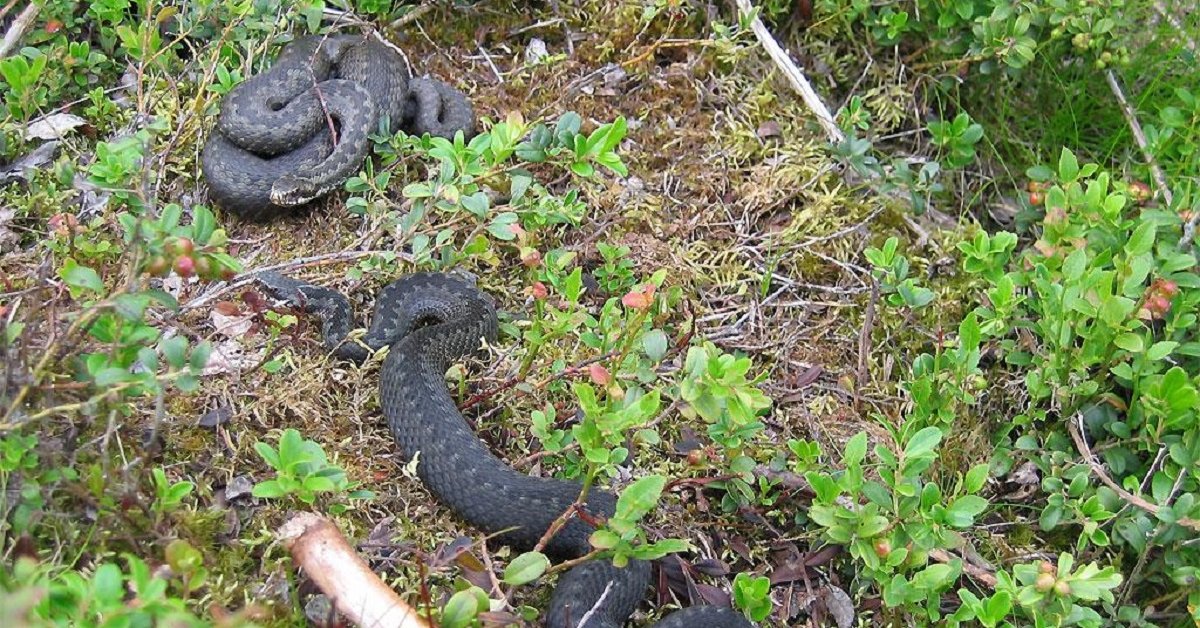
To repel snakes from your property, you need to know what they're afraid of. This can be done in a variety of ways.
What are snakes afraid of?
Snakes are timid creatures; when they sense danger, they try to slither away as quickly as possible. They can be repelled by:
- sharp and pungent odors;
- noise;
- hedgehogs;
- cats and dogs.
Snakes cannot stand the smell of burning, garlic, mustard, and various chemicals.
They are scared off by the noise of a working hay mower, loud human voices, and music.
As for animals, they don't tolerate the presence of hedgehogs, cats, and dogs. Reptiles prefer to avoid them to avoid being eaten. A retaliatory attack is also possible, which can be fatal to the pet.
Maintenance of the site area
To prevent snakes from appearing on your property, you need to maintain it regularly. Make sure the area isn't overgrown with grass and don't allow piles of trash to accumulate. If reptiles do appear, it's worth using effective control methods.
Repellers
Similar devices are sold in specialty stores. If you're planning to deal with snakes in your garden, you should definitely try this method. There are three types of repellents:
- sound;
- vibration;
- ultrasonic.
When choosing one option or another, consider the type of reptiles living in the area. Such devices are placed where the reptiles can find shelter.
Traps
There are also special snake traps made from plastic, wood, and thick cardboard. These can include adhesive inserts, boxes, and bait. Some property owners make their own, for example, from plastic bottles, while others prefer to buy ready-made ones. Funnel traps, which are dug into the ground, are popular.
Intelligence agencies
Dealing with snakes on your own isn't easy, especially if there are many of them. In this situation, it's best to seek professional help. They'll not only trap the snakes but also treat the area with chemicals to prevent them from returning. This approach will help prevent future infestations. You can also try installing a fence flush with the ground to prevent anything from crawling underneath.
Poison
Snake repellents are available in specialist stores. However, this method isn't always effective, as the reptiles sense the venom and avoid the bait. Furthermore, the ingredients in these products are toxic to pets. It's important to exercise caution when using this treatment.
Traditional methods
Some property owners fight snakes using folk methods:
- they plant garlic, the smell of which repels reptiles;
- scatter dry mustard along the fence;
- use crushed mothballs in places where snakes may hide;
- They install spinners that repel reptiles with their movements.
Precautionary measures
Snakes rarely attack first; they prefer to slither away from potential danger, but precautions are still necessary. A dacha may be inhabited not only by harmless grass snakes but also by vipers.
Safety rules
- You should only walk around the area wearing closed shoes, preferably boots.
- When working in the garden, wear thick clothing and gloves.
- It is important not to neglect regular mowing of the grass, removal of fallen dry leaves and soil, and periodically carefully inspecting the vegetation.
What to do when meeting
If you encounter a snake unexpectedly, don't panic; avoid any sudden movements. Treat the reptile as you would a strange dog.
- Step back carefully, allowing the snake to slither past.
- Don't turn your back on it, make any sudden movements, or run away. Many snakes have poor eyesight but excellent hearing. There's a chance the reptile, hearing you move away, will decide to slither away.
- Do not attempt to catch or kick the snake; contact a reptile control service.
What to do if a snake bites you
Providing first aid to someone bitten by a snake is not easy. In such cases, it is important to act quickly, otherwise the victim may die.
- The first thing you need to do is calm it down and ask it to remain still. If a snake bites you, don't panic; remain calm and still.
- In such a situation, it's important to prevent the absorption of the poison. Drink plenty of water. Water, not alcohol, tea, or coffee. Other drinks increase your heart rate, dilate your blood vessels, and spread the poison throughout your body.
- Don't treat the bite site with alcohol, as it has a similar effect. Use hydrogen peroxide or brilliant green.
- Applying a tourniquet to a wound is also undesirable, as this can lead to stagnation of toxic substances, which can lead to tissue death.
- Sucking out the venom from the wound is only permitted if you are certain there is no damage to the oral cavity. Otherwise, it will still enter the body.
- After providing first aid, it is imperative to visit a doctor.
Snakes in your yard can be very dangerous, both for people and pets. If there are many of them, dealing with them is essential.