Which is better for the garden: iron or copper sulfate?
To ensure a good harvest, it's important to fertilize the soil and treat plants for pathogens on time. For these purposes, many gardeners use time-tested remedies such as copper sulfate and iron sulfate. In this article, you'll learn the difference between copper sulfate and ferrous sulfate and how to use them correctly.
Content
Description and properties of ferrous sulfate
Ferrous sulfate is an inorganic compound. It consists of sulfur, oxygen, and iron. Sulfur and oxygen combine to form an acidic residue (SO4). All of its constituents are beneficial for plants. The effect of applying the fertilizer is clearly visible in the foliage: it becomes greener and brighter.
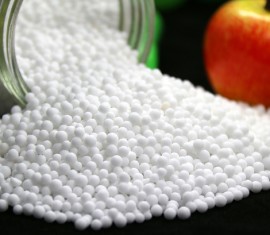
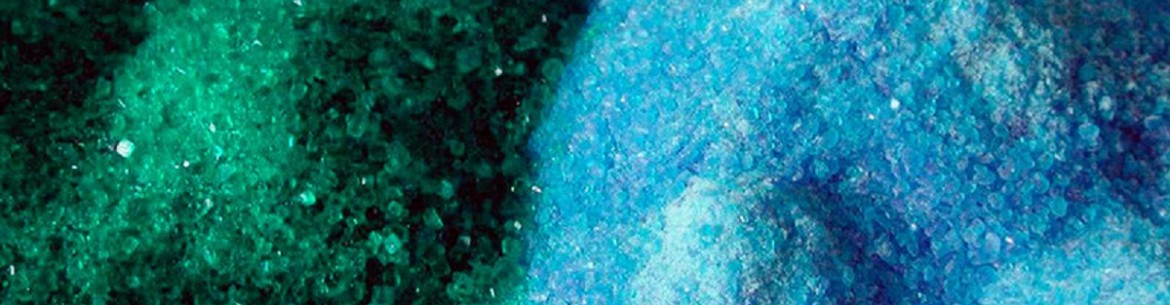
Ferrous sulfate is a salt. It occurs as small, light-green crystals. The product dissolves readily in liquid. This feature is very useful, as it allows for treatment with a spray bottle.
The substance can be stored indefinitely in a sealed container. Unlike organic chemicals, ferrous sulfate does not spoil. Once opened, the powder is poured into another container that can be tightly sealed.
Advantages and disadvantages of ferrous sulfate
Positive aspects:
- Low price of the product.
- Long shelf life.
- Additional iron supplementation.
- Shows good effectiveness against fungal infections.
- When using the drug in permitted proportions, no toxicity to crops, people, or the environment was detected.
Flaws:
- The protective effect lasts only for two weeks.
- Strict time limit for processing.
- The solution is easily washed away by rain.
- Does not affect viral and bacterial diseases.
- High concentrations can kill crops.
- Low concentrations do not provide any benefit to crops.
Iron sulfate deservedly ranks among the most popular fertilizers. When used correctly, iron sulfate offers excellent cost-effectiveness, protecting crops from diseases and pathogens.
Using Iron Sulfate in the Garden
The solution's acidity is safe for crops, yet sufficient to control pests. Therefore, it is used after pruning.
Ferrous sulfate is primarily used in gardening. It is applied to plants, shrubs, and grapes. If it comes into contact with foliage or young shoots, it can cause gradual drying.
The product should not be used during the flowering period to avoid harming flying bees, as this may lead to poor pollination.
Description and properties of copper sulfate
The main component of copper sulfate is copper sulfate. It is produced in the form of small crystals. The substance is initially bright blue, but after some time, if not used, it turns white. Using the white powder will not provide any benefit.
Main characteristics
- Copper sulfate has a metallic taste.
- The preparation is perfectly absorbed into the soil and foliage.
- It can dissolve perfectly in a variety of liquids.
- It has no smell and quickly evaporates.
- It can be stored for two years in a dry place.
Advantages and disadvantages of the drug
Copper sulfate has its pros and cons. It's important to be aware of them before using it.
Advantages:
- fights fungal diseases perfectly;
- does not accumulate in the cells of cultivated plants;
- capable of disinfecting soil;
- helps antimicrobial compounds to enhance their effect.
Flaws:
- has high acidity;
- It is quickly washed off with liquid, so it is recommended to carry out all manipulations in calm weather without precipitation in the form of rain;
- Exceeding the recommended proportion will lead to bad consequences.
Uses of ferrous sulfate
The product is primarily used as a pesticide or fertilizer. Foliar treatment is carried out with a solution diluted at a ratio of 50 g per bucket of water. This solution can be used on both vegetables and garden plants. Ferrous sulfate is also effective when applied with organic matter. For example, compost (10 kg) can be mixed with iron sulfate (100 g).
As a poison, the substance is used to combat pests, lichen, and fungi. The concentration is increased. For pests, ferrous sulfate (500 g) is diluted in water (10 l), while 300 g of powder is used to combat lichen and moss on bark.
Protection from recurrent frosts
If short-term frosts are expected in your region in the spring, treat trees and berry bushes with a 3% and 2% solution, respectively. This will delay bud break by about a week, preserving the harvest.
If plants, grapes, and bushes were covered for the winter, spraying with the solution should be done after removing the cover (only on bare crops, before the buds wake up from winter dormancy).
For preventive purposes and to combat chlorosis
Sometimes garden plants are affected by chlorosis due to iron deficiency. Affected plants are treated with a 0.5% ferrous sulfate solution. Spraying should be repeated once every seven days until the foliage is completely green again.
For preventative purposes, apply a weak solution (10 g per 10 l of water). This procedure is repeated at least a couple of times during the growing season.
To disinfect damage to the bark
Ferrous sulfate is used to disinfect non-healing wounds and large cracks in the bark. Damaged bark and holes are treated with a one-percent solution, and then the damage is repaired.
Uses of copper sulfate
- A one-percent solution is used in the spring. It is used to treat garden trees. During this time, the air temperature should be at least +5°C, and the buds should not yet have formed. This solution can be used to disinfect seedlings: their roots should be dipped in the solution for one minute and then rinsed with water. It can also be used to disinfect the soil in the spring. This treatment is performed 30 days before sowing seeds and once every five years. A three-percent solution is recommended for this purpose.
- In summer, treatments are carried out to eliminate diseases and pests. This is done when the fruit is appearing. Plants are treated with a one-percent solution; to combat cockchafer infestations, the concentration is increased to 2%. The same solution is used for treating berry bushes. The procedure should be performed three weeks before berry harvest.
- Autumn. Autumn treatments destroy any remaining fungal spores in the soil. The concentration depends on the type of crop. Grapes require a 3% solution. Treatments are carried out in the morning or evening. Plants are treated with a sprayer, and the soil is watered with a clean solution.
Applications of copper sulfate in horticulture
Let's talk about where on your garden plot you can apply this powder.
- Garden trees are often treated with copper sulfate. This is done by spraying not only the soil but also the foliage. Add the copper sulfate to a bucket of water and stir thoroughly. This treatment is performed no more than once every three years. The product works well on apple, pear, cherry, and quince trees. The recommended dosage per square meter is: 2 liters for young trees, 4 liters for five-year-old trees, and 6 liters for older trees.
- Grapes can be treated during the fruiting period, before wintering, and for medicinal purposes. Cutting treatment is particularly popular. Copper sulfate (40 g) is dissolved in liquid (1 liter) and sprayed onto the cuttings. This will prevent mold.
Comparative analysis
It is impossible to say unequivocally which is better – iron or copper sulfate, since these are different products.
Copper sulfate helps combat scab, anthracnose, and all types of rot. It is used to replenish copper deficiency. It comes in the form of opaque blue granules and is acidic. The granules can be diluted in water, and lime is sometimes added to the solution.
Iron sulfate is effective against slugs and pests, and combats moss and fungal spores. It is used as a plant food and can participate in chlorophyll synthesis. It has the form of green-blue transparent crystals and is neutral in reaction. This product should not be mixed with other products. The solution must be clear.
Compatibility of drugs
Can ferrous and copper sulfate be mixed? They shouldn't be mixed together, as the ferrous sulfate will oxidize. They are not compatible with each other.
There should be an interval of at least two months between the use of these products.
Which is better to use in the fall and spring – ferrous or copper sulfate? In the spring, it's best to use copper sulfate, and in the fall, only ferrous sulfate. Ferrous sulfate should not be mixed with lime, or with any insecticides or fungicides.
Recommendations for selection
Now we need to figure out what is better to treat the garden with – iron or copper sulfate.
- Based on the product descriptions, one can conclude that iron sulfate is more suitable for treating plants against moss and lichen. Copper sulfate, on the other hand, is a more potent fungicide and is effective against many diseases affecting garden trees.
- Both preparations contain important elements that help plants develop normally.
- Ferrous sulfate has a virtually unlimited shelf life. Copper sulfate has a limited shelf life.
- Of course, many gardeners prefer to use natural biological products for garden care, but in extreme and urgent situations, when crops are diseased, copper sulfate, for example, is indispensable.

Now you know the difference between iron and copper sulfate, as well as for what purpose and when exactly each of these preparations is used in the garden.