What is Burgundy Mixture: Ingredients and Instructions for Making it for the Garden
Fungal infections can easily destroy an entire garden crop. Harsh treatments can be used to combat them, but a safer option is to use Burgundy mixture. In the 19th century, this solution was used to spray vineyards in Europe. This simple and effective recipe remains popular today.
Content
What is Burgundy mixture: composition
Burgundy mixture is a multi-component substance with a fungicidal effect used to prevent and treat fungal diseases in crop production. The product is used to treat a variety of crops:
- fruit;
- berry;
- floral;
- vegetable;
- citrus;
- melons.
The mixture contains:
- 1st option - baking soda, copper sulfate, laundry soap, water;
- Option 2: copper sulfate, soda ash, water.
Copper sulfate has a powerful fungicidal effect, but if used in its pure form, it can cause burns to fruits and green parts of plants. To soften and enhance the disinfectant effect, baking soda and soap are added to the solution.
The benefits of using Burgundy liquid include:
- effective destruction of fungal spores;
- low cost of components;
- good solubility of substances, due to which they quickly penetrate the structure of plants and do not clog the sprayer;
- safety for the environment and for humans;
- no whitish or blue coating on the leaves after use, unlike other fungicides.
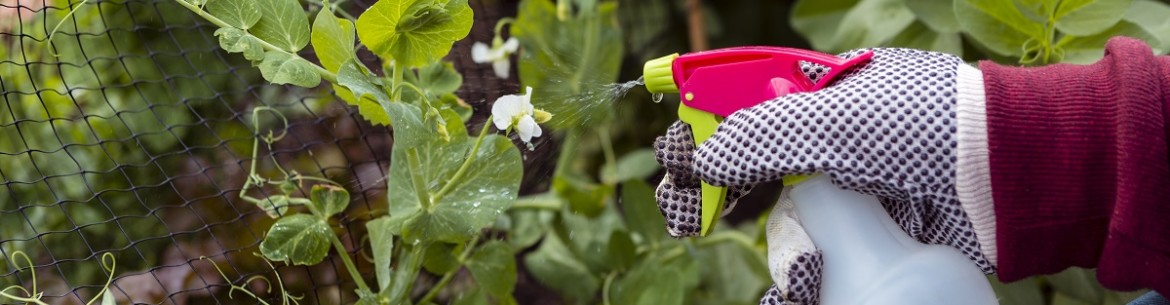
Burgundy liquid is moderately toxic to humans. When using it, it is important to observe personal safety precautions: wear a respirator, gloves, and protective clothing.
Why use Burgundy mix in the garden?
Burgundy mixture is used to combat downy mildew and ascomycetes, which cause diseases such as downy mildew, anthracnose, and various types of rot. It is also effective against rusts and perfect fungi, but to a lesser extent.
Methods of use

Burgundy mixture is used as a solution with a concentration of 1-3%. Main directions:
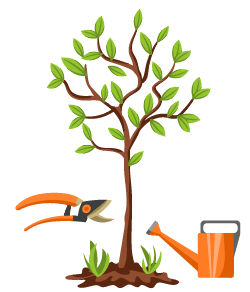
- Preventive spraying of fruit trees and bushes (roses, grapes) with 2-3% of the product in early spring during the period of bud swelling or in autumn after pruning before covering for the winter.
- Treating mulch and soil with a 1% solution helps disinfect the soil and enrich it with copper.
- Foliar spraying with a 1% mixture to combat fruit rot, scab of pears and apples, late blight, cladosporiosis, alternaria of tomatoes, spotting of berry bushes, powdery mildew of onions, cucumbers, and grapes.
- Wash boxes, seedling containers, hotbeds, and greenhouses with a 2% solution. After cleaning, rinse thoroughly with clean water.
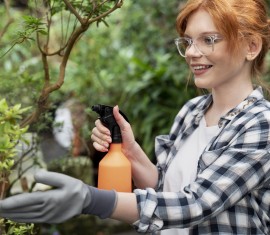
To spray trees and shrubs with Burgundy Liquid, pour the prepared solution into a spray bottle and liberally spray onto the above-ground parts of the plants. The solution can be stored for up to 24 hours, but it's best to use it immediately. It's recommended to apply it in the morning or evening on a dry, windless day. The protection lasts for 7-12 days, provided there has been no precipitation.
It's best to use Burgundy solution two weeks before or after harvest. If it gets on the fruit, rinse it thoroughly.
Before cultivating the soil, remove debris (fallen leaves, weeds, roots), and dig and loosen the soil. The recommended application rate is 10 liters per square meter. It can be sprayed or poured onto the area. A similar process can be used to disinfect mulch.
In summer, it's best not to use copper sulfate-based products to avoid burning the plants. The minimum temperature for treatment is 5°C.
How to Make Burgundy Blend: Step-by-Step Instructions
When making Burgundy, both the proportions of the ingredients and the order in which they are combined are important. You'll need two bowls and wooden spoons (or sticks) for stirring.
Algorithm for obtaining 1% liquid:
- Dissolve 100 g of regular or 90 g of soda ash in 3 liters of warm water (40–45 °C).
- Pour 3 liters of warm water (40–45 °C) into another container and add 100 g of copper sulfate.
- Grate 50 g of laundry soap, add a glass of hot water and stir.
- Pour the soapy water into the baking soda solution. If you're using washing soda, you can do without soap.
- Pour the copper sulfate solution into the container with soda and soap in a thin stream, stirring constantly.
- Bring the volume of liquid to 10 liters by adding water at room temperature.
To prepare a 2% solution, double the amount of baking soda and copper sulfate, and to prepare a 3% solution, triple the amount. Do not change the amount of soap or water. The resulting liquid will be bright blue.
If you oversaturate the Burgundy mixture with copper sulfate, it will begin to coagulate (form numerous flakes), making it unusable. After preparing the solution, ensure that it has a neutral or slightly alkaline pH. It's easiest to use litmus paper for this. It should turn blue. If it turns red, add a little baking soda solution.
Adding laundry soap causes excessive foaming, but increases the effectiveness of the fungicide. This solution should be poured very slowly to allow the foam to settle.
Application diagram for Burgundy mixture
The scheme for using Burgundy liquid for the garden and vegetable garden is given in the table.
| Plant | Disease | Volume of liquid | Solution concentration | First treatment | Number of days between sprayings | Last processed |
| Ornamental plants, flowers | Spotting, rust | Up to 2 liters per 10 m² | 1% | Before flowering | 10–15 | Disappearance of the disease |
| Tomatoes, cucumbers | Late blight, anthracnose, ascochyta leaf spot, macrosporiosis, olive spot | Up to 2 liters per 10 m² | 1% | During the period of ovary formation, at the first signs of the disease | 10–15 | 5–8 days before harvesting |
| Onion | Peronosporosis | Up to 1 liter per 10 m² | 1% | At the first signs of the disease | 10–15 | 15 days before harvesting |
| Watermelons, melons | Downy mildew, anthracnose, bacteriosis | Up to 1 liter per 10 m² | 1% | At the first signs of the disease | 10–15 | 20 days before harvesting |
| Beet | Cercospora leaf spot | Up to 1 liter per 10 m² | 1% | At the first signs of the disease | 10–15 | 15 days before harvesting |
| Currant | Spotting, rust, anthracnose, septoria | Up to 1.5 liters per bush | Before flowering - 3%, after the beginning of flowering - 1% | At the first signs of the disease | 10–15 | After the harvest has been collected |
| Strawberries | Up to 2 liters per 1 bush | |||||
| Raspberry | Up to 2 liters per 10 m² | |||||
| Gooseberry | Up to 1 liter per 1 bush | |||||
| Pear | Moniliosis, scab, spotting | Fruit-bearing trees - up to 10 l, young trees - up to 2 l | Before flowering - 3%, after the beginning of flowering - 1% | At the first signs of the disease | 10–15 | 15 days before harvesting |
| Quince | ||||||
| Apple |
What can I substitute for Burgundy mixture?
Bordeaux mixture is an analogue of Burgundy mixture. Its active ingredient is also copper sulfate, but it is combined with slaked lime rather than soda.
Bordeaux mixture or Burgundy mixture—which is better? Both products have an antifungal effect. However, the lime-based solution is more persistent: it protects plants even after rain. However, it is less convenient to use, as it quickly clogs sprayer nozzles. Furthermore, Bordeaux mixture leaves a film on leaves and fruits.
The industrial version of Burgundy solution is "Medex-M." It contains copper sulfate, soda ash, a wetting agent, and additives. To prepare the solution, simply mix the dry ingredients with water.
Burgundy Mixture is a time-tested and affordable fungicide for berry, fruit, vegetable, and other crops. It helps prevent and stop the development of fungal diseases. To achieve the desired effect, follow the application schedule and safety precautions.