Diammophoska: instructions for use in the garden and vegetable garden
All plants require a complex of micronutrients for full development. Crops obtain these from the soil, which often does not meet these requirements. Mineral fertilizers help stimulate the growth of agricultural plants. Diammophoska is considered one of the most effective fertilizers. It contains essential micronutrients essential for supporting vital processes in plants. This product is suitable for treating garden trees, shrubs, vegetable crops, flowers, and lawns.
Content
Composition and properties of diammophoska
Diammophoska is a universal fertilizer based on NPK complexes. It has a physiological pH of 7.
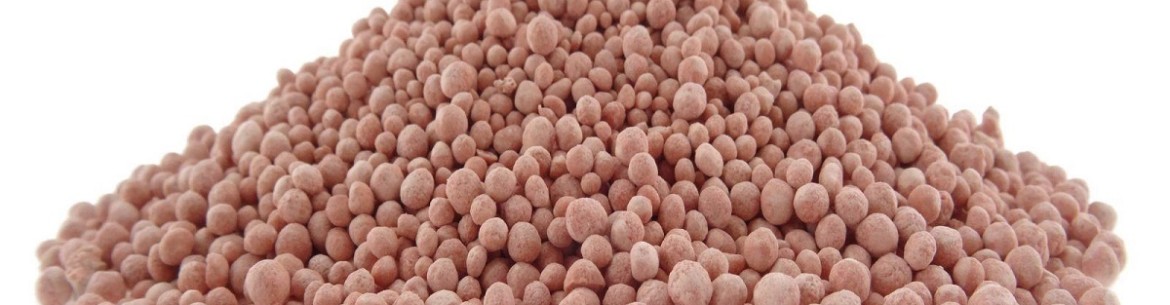
The fertilizer comes in the form of small granules (up to 6 mm) with a reddish or pink tint. It does not cake and does not absorb moisture during long-term storage. It remains crumbly.
Composition of diammophoska fertilizer
The main active ingredients include:
- Nitrogen (10–13%) – the substance is presented in ammonium form and helps the formation and development of the above-ground part.
- Potassium (23–26%) is the primary nutrient for stem and root development. Potassium determines plant growth rate. A deficiency in this micronutrient reduces immunity and impairs fruit development. The use of diammophoska (DMP) helps improve the taste and nutritional value of fruits.
- Phosphorus (23–26%) helps the plant develop throughout the growing season.
The fertilizer also contains calcium, sulfur, zinc, magnesium and iron.
The pinkish granules can be used dry or dissolved in liquid for irrigation.
Advantages and disadvantages of fertilizer
Before using diammophoska, it is worth evaluating the pros and cons of this fertilizer.
Advantages:
- diammophoska can be used together with organic matter;
- can be used on any soil for all plants and even for lawns;
- does not harm people and crops;
- the fertilizer is easy to use;
- has a rapid effect;
- due to the absence of chlorine, the preparation does not accumulate nitrates in fruits;
- increases the shelf life of fruits and tubers;
- absence of harmful additives;
- affordable price.
Flaws:
- poor solubility, the fertilizer can only be diluted in hot water;
- overdose can have negative consequences for crops;
- spoils if not stored properly;
- chemical origin.
Impact on crops
The fertilizer begins to work immediately after it hits the soil. Plants absorb some of the phosphates, while the rest remains in the soil, enriching its composition. Crops absorb potassium well, but the trace element remaining in the soil acidifies it.
This product can be used on a variety of soil types. It improves the fertility of sandy loam and loamy soils. Diammophoska is applied under tillage in spring or fall, and is used as a top dressing during crop development.
Using diammophoska in the garden
How to apply fertilizer to the soil – instructions for using diammophoska depend on the type of garden plant. It's important to achieve a balance of micronutrients in the soil for planting certain crops.
Fruit trees
The preparation is added to the soil in the following proportion: 2 teaspoons / 1 sq. m. The fertilizer is buried in the soil to a depth of no more than 10 cm.
Diammophoska improves the taste of plums, cherries, pears, and apples.
Berry bushes
Currants, gooseberries, blackberries and raspberries are fertilized with diammophoska in the proportion: 2 teaspoons / 1 sq. m.
After fertilizing the soil, be sure to water it generously.
Strawberry
To fertilize the soil for fruit and berry crops, sprinkle 2 teaspoons of granules per square meter of soil. Then dig the soil over. This procedure is performed in the spring. Fertilizer is also applied to garden flowers in the same proportions. When using a liquid solution, it is recommended to dig the soil over first and then water the plants.
Lawn grass
To nourish vibrant greenery in the summer, sprinkle diammophoska over the lawn (40 g/1 sq. m). In the fall, apply the same fertilizer, using the following ratio (20 g/1 sq. m).
Using the preparation in the garden
Methods of using fertilizer:
- in spring while digging the area;
- in the form of a prepared solution when watering crops.
Before applying dry granules, the soil should be moistened. The application rate for the product in the garden depends on the type of plant. When should diammophoska be applied to garden plants? Treatments should be carried out at the beginning of the season.

For irrigation, prepare solutions that are applied to the roots of crops in the morning or evening. During application, avoid contact with the solution on the leaves, as this may cause burns.
Now let's talk about the correct use of diammophoska for various crops in the garden.
Potato
Fertilizing potatoes increases yield, improves marketability, and extends shelf life. Diammophoska can be applied in the following ways:
- when digging the ground for planting;
- directly into the planting hole.
The fertilizer rate for digging the soil is 20 g / 1 sq. m. When adding to the hole, pour 5 g of the substance.
Nightshade plants
To strengthen the root system and aboveground parts, as well as improve the quality of the harvest for crops such as peppers, tomatoes and eggplants, it is necessary to provide them with additional fertilizing.
When digging the beds, add fertilizer at a rate of 50 g per square meter. For a greenhouse or hotbed, 30 grams of diammophoska is sufficient. When planting seedlings, add 5 g per hole.
To water the plants, prepare a mixture of 10 grams of the preparation and 500 grams of rotted manure. The ingredients are diluted in water (10 liters) and applied to the roots. Two waterings with this solution per season are sufficient.
Fertilizer should not be used after fruit sets. Nitrogen causes excessive bush growth, which negatively impacts the quality of the harvest.
Cabbage
Cruciferous crops do not tolerate chlorine well, which is found in most potassium fertilizers. These can be replaced with complex fertilizers that do not contain harmful impurities.
Using diammophoska helps cabbage heads form and deters slugs. After feeding, cabbage is less susceptible to disease.
Winter crops
Winter grain crops also require nutrients. Diammophoska can replace several types of fertilizer for them. 
Barley and winter wheat are fertilized at a rate of 8 centners per hectare. Up to 4 centners per hectare are applied during autumn soil tillage.
Once the snow melts, the substance begins to work, providing crops with the beneficial micronutrients needed for harvesting.
Precautions for using diammophoska fertilizer
If stored and used properly, fertilizer will not pose a risk to humans or the environment. Use the product strictly according to the instructions.
Relevant requirements for proper storage:
- no direct sunlight;
- the presence of ventilation in the storage room;
- storing the drug in tight packaging;
- storage at temperatures from 0 to +30 °C;
- the humidity level in the room should be no more than 50%;
- Store away from food, feed and medicines.
Do not store the medication near heating devices. Keep the storage area out of the reach of children and pets.
The fertilizer can be stored for five years from the date of production. After its expiration date, diammophoska must be disposed of.
When performing procedures, wear a mask or respirator, as well as protective clothing and rubber gloves. Afterward, rinse your hands and face with running water.
Avoid contact of fertilizer with mucous membranes and exposed skin. In case of poisoning, consult a doctor.
Diammophoska is a universal fertilizer that helps increase crop yields and improve fruit quality. It is used both industrially and in orchards. It begins to work upon penetrating the soil and is easily absorbed by crops. When used with caution and at the optimal dosage, the fertilizer will not harm the environment.