Ash as a fertilizer: types and rules of use
Many people today have garden plots that allow them to grow fruits and vegetables for their own table. However, a good harvest is impossible without properly managed soil and plant nutrition. There are many fertilizers available, but most gardeners prefer organic ones. Ash is a favorite fertilizer for many gardeners. Ash is suitable for all soil types, is fairly easy to prepare at home, and doesn't even require any financial investment.
Content
What types of ash are there?
There are several main types of ash:
- woody;
- coal;
- plant-based.
Each subspecies has its own characteristics and compositional features. Each of the above-mentioned varieties must be used wisely, focusing not only on the soil type but also on the crop and its needs for certain components. The application of ash to the soil should be combined with the use of other fertilizers (to achieve a comprehensive nutritional profile).
Plant ash appears as a gray powder. It contains the highest amounts of potassium and phosphorus, making it a complete fertilizer. Plant ash provides excellent nutrition for plants, but it reduces soil acidity. Therefore, this fertilizer is not suitable for crops that thrive in acidic soils.
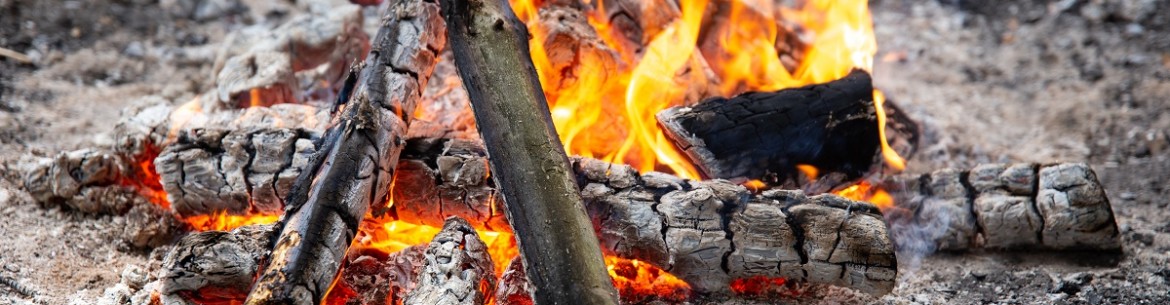
Wood ash is also often used in soils with high pH. It contains high levels of potassium and phosphorus, but it's important to select the right wood for the ash. Wood ash is also considered a universal fertilizer, but only if the right material is selected. Painted or otherwise treated wood is not suitable for ash production. Only untreated wood (with straw, old grass, and dry branches mixed in) is suitable. Wood ash does not contain chlorine, making it suitable for most garden crops.
Coal fertilizer is produced by burning coal. Its composition differs significantly from previous varieties. Calcium predominates here, and it's also essential for a healthy harvest. It promotes the vigorous growth of young crops, strengthens their roots, and improves the absorption of other beneficial compounds. It also contains magnesium and sodium.
What is ash made from?
Ash for plant fertilizer should only be obtained from natural materials. The fertilizer should not contain any rags, plastic, or other household waste.
Only plant residues of natural origin should be burned.
When it comes to wood ash, there are also strict restrictions. For example, the following types of wood are not suitable for making ash:
- materials impregnated with chemicals;
- varnished or painted types of wood;
- with traces of mold, mildew and other characteristic damage.
Cardboard and other paper products should also not be used to make fertilizer. Various chemicals are typically added to the wood fibers during production, which are not beneficial to plants. The same applies to particleboard.
The composition and benefits of ash for plants
Ash contains the following nutritional compounds:
- potassium (in several forms);
- calcium (in several forms);
- magnesium (in several forms);
- sodium (in several forms);
- phosphates;
- carbonates;
- silicates.
It's difficult to say exactly what ash fertilizer contains. Different types of ash can have different compositions. It all depends on what you used to prepare it, so it's impossible to be precise.
But one thing is worth noting: ash lacks nitrogen, which is one of the main nutrients for plants. It evaporates during combustion along with other gaseous compounds.
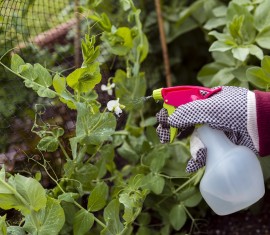
Ash is excellent for use on its own or as a supplement to other fertilizers. For better absorption, prepare a liquid fertilizer with ash (mix 1–2 cups of powder in a bucket of clean water and water the plants).
Regular soil cultivation depletes the soil over time. At pH levels below 5.5, all vital plant nutrients are simply washed out, phosphates are virtually unavailable, and soil bacteria stop properly digesting organic matter. In this case, ash helps restore the soil's composition, normalizes metabolic processes, and stimulates plant growth.
Which crops are not suitable for ash?
Not all crops will appreciate ash. Some plants that prefer acidic soils will definitely not tolerate ash.
Fertilizing can be harmful in the following cases:
- when applied to plants that prefer acidic soils (cranberries, lingonberries, blueberries, hydrangeas, camellias, azaleas, rhododendrons, etc.);
- the soil on the site already contains a high percentage of alkali;
- Nitrogen fertilizers have been added to the soil over the past month.
How to understand that the soil needs ash
Sometimes plants can literally scream about a deficiency of components found in large quantities in ash. Therefore, it's important to pay attention to the changes occurring in your crops and apply ash based on these observations. The appropriate ash for fertilizer will directly depend on the unpleasant symptoms of nutrient deficiency your plants are experiencing.
Potassium deficiency is manifested by the following symptoms:
- plants often suffer from chlorosis, their leaves become deformed and flowers fall off;
- dark spots appear on the fruits;
- the upper part of the shoots dies off, and the plants themselves stop growing.
Calcium and magnesium deficiency:
- the leaves wither and curl into a tube;
- the edges of the leaf blades dry out;
- Roses lose their scent.
Using ash on the site: when and how to use it
Before you begin fertilizing, you should learn how to apply ash to the soil. Simply scattering dry powder over the soil will be of little use. Experienced gardeners know that ash must be properly prepared, mixed with water or other fertilizers. It's also important to consider which plants benefit from ash as a fertilizer.
Ash application rate
Ash is most often applied to most crops in the spring, under tillage, in dry form. The standard rate is 100 grams of powder per square meter of plot. Thus, the fertilizer is applied:
- under cabbage;
- beets;
- onion;
- green;
- carrot;
- potato;
- legumes.
However, it will be more effective to apply fertilizer directly into the planting hole at a rate of 2 tablespoons per plant.
Deadlines for contributions
The timing of fertilizing directly depends on the type of soil prevailing in the area:
- For loam and clay soils, autumn application is best. This will help retain nutrients until spring and enrich the soil with beneficial compounds, making it looser and more nutritious.
- Ash should be added to sandstone in the spring. This will help prevent nutrient deficiencies in such depleted soil.
Methods of application
Ash is rarely used as a dry powder (except perhaps when digging). It is usually mixed with other fertilizers or applied as a liquid solution. Some experts use an ash infusion combined with a yeast infusion.
What can replace ash?
Ash helps normalize soil acidity. However, if your soil is already too acidic and you can't make ash, you can use alternative fertilizers. Lime or dolomite flour, for example, are suitable. However, to be beneficial to the soil, they must be applied correctly:
- dolomite flour: for moderately acidic soil – 400 g per square meter, for acidic soil – 500 g per square meter;
- lime: for moderately acidic soil – 300 g per square meter, for acidic soil – 500 g per square meter.