Treating your garden with urea in the fall: how to treat trees against pests and diseases
Urea is a well-known nitrogen fertilizer. It has fungicidal and insecticidal properties. Applying urea to your garden in the fall will prepare trees for the dormant period, and the urea solution will also kill pathogens and pests.
Content
Urea: What is it, its chemical composition and characteristics?
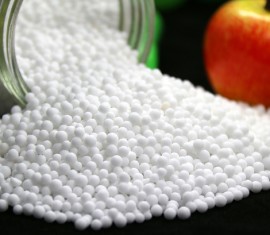
Urea is a fertilizer available in white and pearlescent granules. It contains 46% nitrogen, making it the most concentrated fertilizer. Urea is highly soluble in water and odorless. Nitrogen is a particularly valuable fertilizer for plants, as it is easily absorbed. Furthermore, urea does not burn plants and effectively controls garden pests and disease pathogens. Urea contains carbon, hydrogen, nitrogen, and oxygen.
What are the benefits of treating plants with urea in autumn?
Eradicating weeds in the garden in the fall with urea has a number of beneficial properties. These include:
- The urea solution quickly reaches the plant's root system and is absorbed as quickly as possible. Within 48 hours, the plant's nitrogen concentration increases.
- Spraying plants with a urea solution is also safe.
- The nitrogen contained in urea will protect plants from various pests. It will also reduce the number of pathogens that cause agricultural diseases.
- Increasing the amount of nitrogen in the soil will increase the yield.
Using urea in the garden
Treating trees and shrubs with urea requires adherence to certain rules:
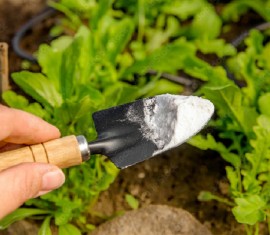
- It's best to work the nutrient mixture into the soil to a depth of 10–15 cm. This will retain the fertilizer in the soil until spring.
- It's important to consider the soil type. In heavy soils, the composition will remain intact for a longer period. In light soils, the composition will remain intact for a shorter period.
- Any nitrogen fertilizer affects acidity, so before applying it, it is necessary to conduct a soil analysis in a laboratory.
- Urea should not be applied together with lime, chalk, dolomite flour and superphosphate fertilizers.
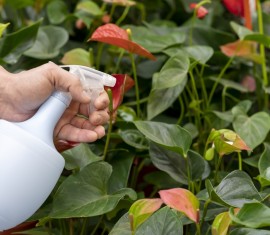
- Foliar treatment with urea in autumn involves spraying the outer part of the plant.
- To prepare a solution, use 5–7 g of the substance per 1 liter of clean water. It is very important that the solution is distributed evenly across the top and bottom of the leaves.
- Urea granules are stored in a dry, ventilated place.
- At what temperature should urea be applied in the fall: spraying on the leaves is carried out at a temperature not lower than +5 degrees.
- The soil around the tree trunk must be dug up before applying urea.
- All dead areas of the bark are removed.
- What to treat with urea in the fall: spraying is done not only on crops, but also on fallen leaves.
Plant and soil treatment
To treat plants with urea, use a concentrated solution. The dosage depends on whether the plant was sick in the spring or summer. How to treat trees with urea in the fall: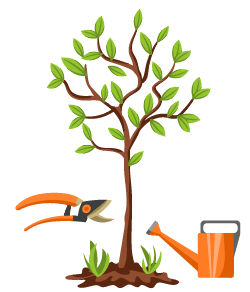
- If the plant is not sick, then take 300 g of urea per bucket of water.
- If the plant is sick, then take 500 g of urea per bucket of water.
In both cases, when preparing the solution it is necessary:
- Mix the solution thoroughly.
- Strain the solution through cheesecloth.
- Mix the solution with copper sulfate (optional). This will increase the effectiveness of the product. This solution will require 250–450 g of copper sulfate. You can also add 25 g of citric acid. This will enhance the effectiveness of the copper sulfate.
Safety and precautions
When deciding how to treat trees with urea in the fall, it's important to thoroughly review the safety precautions for working with this solution. Key safety precautions include:
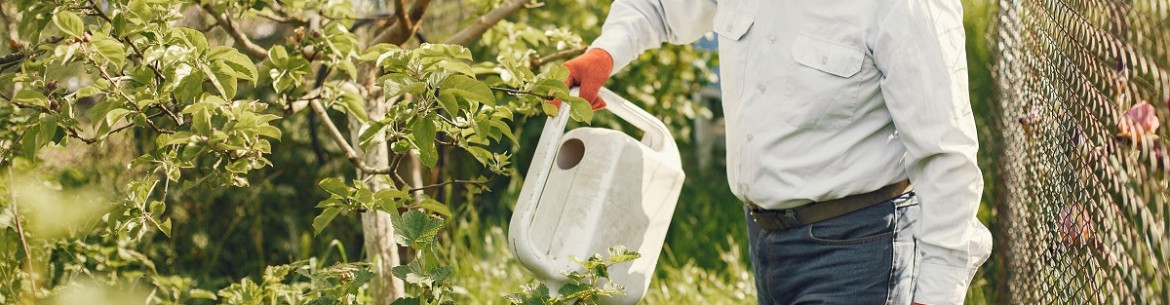
- It's important to protect yourself first. When preparing the solution and working with it, wear rubber gloves, goggles, and a respirator. This is essential to protect yourself from the solution's harmful effects.
- Work with the solution is carried out in calm and windless weather.
- Do not treat plants if there are children, animals or pregnant women nearby.
- After working with the solution, remove all protective equipment and wash your hands with soap, face, and preferably shower. Work clothes should be washed.
Thus, urea is an excellent remedy for fighting diseases and pests. It is the most concentrated nitrogen fertilizer. It is very beneficial for plants, as the nitrogen it contains is an excellent nutrient. It is important to remember to spray plants with a urea solution only at above-zero temperatures and in dry weather. As with any chemical, urea must be handled with all safety precautions.