Treating your garden with iron sulfate in the fall: how to treat trees with benefit
In the last warm days of autumn, when daytime temperatures haven't yet dropped below 0°C, it's important to carry out the final treatment of your garden against fungal infections. Ferrous sulfate is ideal for the final autumn treatment of garden plants. This product helps combat fungal diseases in the garden—scab, gray rot, fruit rot, and powdery mildew—and is also used to remove moss and lichen from tree bark.
Content
Features of ferrous sulfate
This compound is known as ferrous sulfate and has the formula FeSO4. Ferrous sulfate is a fungicide used to protect plants from fungal diseases. This substance acts by contact and does not accumulate in plant parts, preventing adverse effects during the growing season.
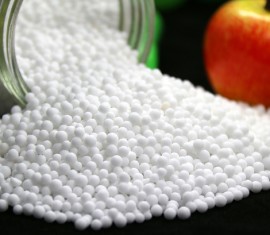
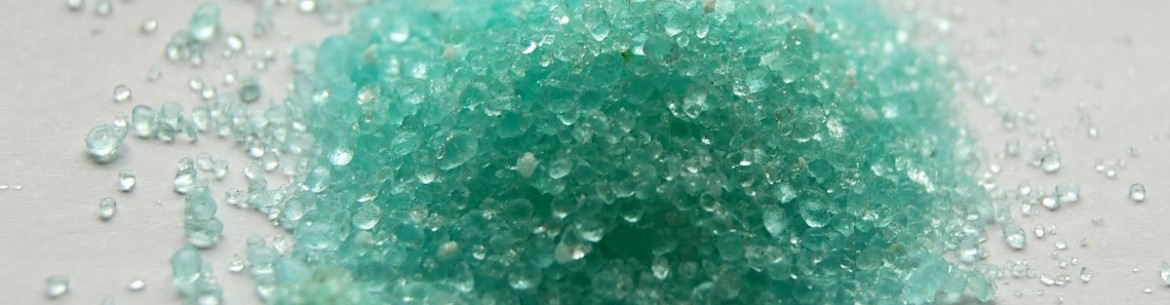
Ferrous sulfate is a crystalline substance with a greenish tint. It has no distinctive odor. The crystals dissolve readily in warm liquid.
Advantages and disadvantages
This drug has its own disadvantages and advantages.
Pros:
- low price;
- has a wide impact;
- low toxicity substance;
- the drug exhibits high activity in the fight against fungal diseases;
- It is released by external influences and does not penetrate into the plant.
Cons:
- Iron sulfate is not very effective against pests in autumn (for their complete destruction, additional means will be required);
- the solution is quickly washed away by rainfall;
- It is used only when the leaves have fallen from the trees.
When working with copper sulfate, the following rules must be observed:
- Apply fungicide in dry weather.
- The weather at this time should be windless.
- Excessive sunlight weakens the beneficial properties of ferrous sulfate. Furthermore, exposure to strong sunlight can cause burns on the treated areas.
Benefits of the drug in gardening
In the fall, trees are treated with ferrous sulfate after the leaves have fallen and after ripe fruit has been harvested. This procedure is necessary to eliminate fungal pathogens and pests. In the fall, ferrous sulfate is quite effective. It completely eliminates harmful insects, and they will not return in the winter.
Mature trees are sprayed with a 7% solution. This concentration is safe to use, as it won't harm the bark, and the effect will wear off before the leaves emerge.
Preparing for garden cultivation
Spraying with ferrous sulfate in the fall will help eliminate fungal pathogens from your garden. Fungi can be present on crops, on the soil surface, and on plant debris. Before spraying, it's recommended to tidy up the garden to eliminate the sources of infection:
- remove fallen or last year's leaves and dry branches;
- cut off damaged shoots from bushes and trees;
- Dig up the soil around tree trunks.
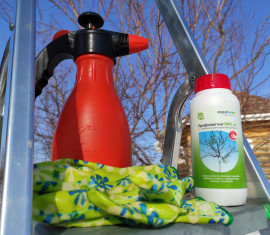
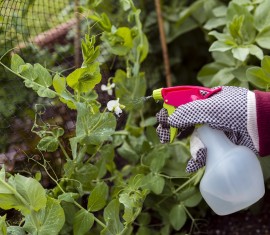
To apply the solution, use a spray bottle or garden sprayer. Also, prepare a suitable container (glass or plastic) for preparing the solution. Do not use the containers for storing food.
Rules and methods for treating a garden with iron sulfate
A solution containing ferrous sulfate is ideal for autumn garden treatment. Ensure that the air temperature remains above 0°C during this time.
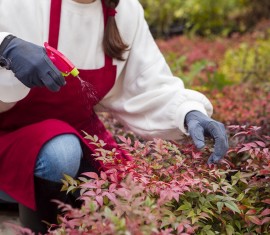
Spray on bare branches of trees and shrubs, i.e. after the leaves have fallen.
Dosages
If the cultivated plant is in the development phase, make the solution concentration weak (1%).
Now let's talk about how to properly dilute ferrous sulfate for garden treatment in the fall.
The drug can be used to prepare solutions of different concentrations, which are used for specific purposes.
Recipe for preparing 1% of the composition:
- pour 10 liters of water into a bucket;
- add vitriol (100 g);
- Mix thoroughly.
Accordingly, for solutions of other concentrations, the dose of the drug should be increased.
So, for a bucket of liquid:
- 200 g of copper sulfate, which will result in a 2% solution;
- 500 g – 2%;
- 1 kg – 10%.
Processing methods
To treat young plants, you need a solution (0.1%) with a low concentration (10 g of copper sulfate/10 l of water).
Healthy fruit trees are treated with a 1% solution.
Many fruit-bearing plants and shrubs are treated with a 3% composition:
- Spraying of grapes is carried out on the vines after pruning.
- Roses are also sprayed on bare stems.
- A three percent mixture is also suitable for treating the garden with iron sulfate in the fall to control pests.
- To combat lichen and moss, a 3.3% solution (330 g/10 l) is used.
A preparation with a high concentration (5%) is used to treat diseased shrubs and trees.
In advanced cases, even a 7% solution is used. For example, it can help get rid of apple scab.
Soil preparation
To ensure that the soil is fully saturated with iron, ferrous sulfate is added during autumn digging.
Over the winter, the substance will be processed, producing a form of iron that is available to crops. This will eliminate the need for antichlorosis treatments during the summer and spring.
Precautions and safe handling rules

Although ferrous sulfate is considered harmless, simple protective measures should not be neglected. Every gardener should be aware of these rules before applying seasonal treatments.
- Before using the product, it is recommended to read the instructions. Manufacturers print important information on the packaging. These instructions are based on years of gardening experience, so all recommendations must be strictly followed.
- It is recommended to protect your own health using personal protective equipment – special clothing, headgear, respirator, and gloves.
- Determine the required amount of solution depending on the purpose for which you will use it. Do not pour unused solution onto the ground.
- Dilute the preparation in plastic, glass or enamel containers.
- If drops get into your eyes or mouth while diluting the solution, rinse them with running water.
- The crystalline substance has an unlimited shelf life, but care must be taken to ensure that it does not come into contact with moisture.
- Spraying should not be carried out in wind or rain.
- After work, you must thoroughly wash yourself in the shower to remove any splashes of the solution.
- When using the solution, children and animals must be removed from the treatment area.
Iron sulfate is a widely used fungicide that enriches the soil and increases acidity. Spraying it in the fall reduces the risk of various fungal infections. Ferrous sulfate is an effective, environmentally friendly, and relatively safe product.