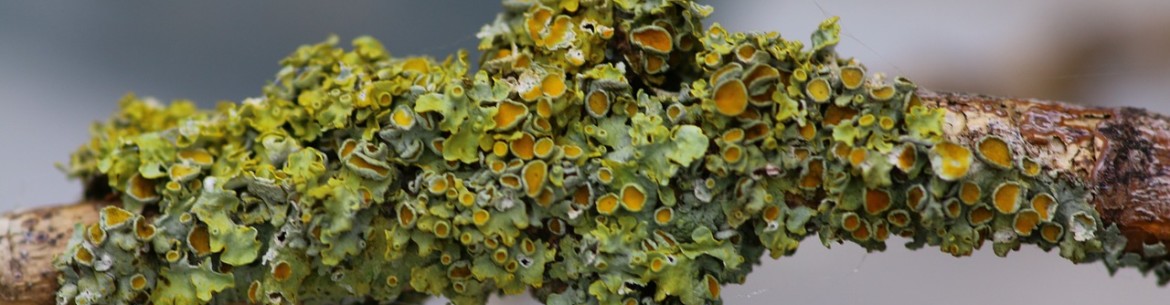
How to get rid of lichen on fruit trees
Content
- What is lichen?
- Reasons for the appearance of lichen in the garden
- What harm does lichen cause to trees?
- General signs of damage
- When cleaning trunks and branches
- What medications can help get rid of lichen on fruit trees?
- How to treat old trees
- How to remove lichen from a young tree
- Features of treatment in different parts of trees
- Prevention of lichens
What is lichen?
Lichens are symbiotic associations of fungi and microscopic green algae. These organisms are composed of mycelial threads, interspersed with green algal cells. The mycelial threads supply the algal cells with minerals and water. In turn, the algae provide the fungi with organic elements.
If the independent existence of algae is possible, then the mycelium threads cannot do without them.
Lichens reproduce by sections of the vegetative body (thallus), which are carried by winds and rains.
Varieties
Depending on the shape of the thallus, they can be of several types:
- scale – in the form of a coating or crust, they are fixed to the soil with their entire surface;
- bushy – erect or hanging, usually branched; attached to the substrate at one point;
- leafy – are plates fixed to the ground at one or several independent points.
Lichens like to settle on barren soils, on stones and tree bark.
Reasons for the appearance of lichen in the garden
 Gardeners identify several factors that provoke the appearance of lichen on garden crops:
- Insufficient illumination of the crown and lack of ventilation due to close planting of trees and failure to perform pruning.
- Flooding of the root system by high-lying groundwater.
- Trees affected by fungal diseases.
- Frostbite or sunburn of wood.
- Heavy soils and oxygen deficiency weaken the root system and hinder its growth.
What harm does lichen cause to trees?
Lichens that inhabit trees are not parasites and do not directly harm orchards. However, experienced gardeners claim that the presence of these organisms is highly undesirable. Lichen thalli prevent moisture evaporation, increasing the likelihood of pathogenic fungi growing, which can cause bark rot and various diseases.
Lichen growths provide an ideal refuge for harmful insects.
Based on all of the above, we can conclude that it is worth fighting lichen.
General signs of damage
The following signs indicate that trees are affected by lichen:
- the appearance of green streaks indicating high humidity;
- formation of rust and mold on the bark;
- the appearance of dense growths with an uneven surface;
- the presence of dry areas on the bark.
When cleaning trunks and branches
 There are no specific timeframes for treating fruit trees. However, agronomists recommend removing lichen from fruit trees as soon as possible after it appears. Apple tree cleaning is typically performed simultaneously with spring and fall pruning and spraying. This procedure is performed using stiff scrapers or a pruning knife.
Lichen fragments removed from tree bark are removed from the garden and burned. This is due to the potential presence of pests, both adult and larval, within the lichen layers.
What medications can help get rid of lichen on fruit trees?
There are several ways to combat lichen infestation on fruit trees. Treating the bark with specialized preparations is considered the most effective.
Copper sulfate
 A 5% copper sulfate solution is dissolved in 10 liters of water. The resulting working solution is applied to tree trunks and skeletal branches. After 7-10 days, the lichen will fall off on its own. Any remaining scales on the bark surface are removed mechanically.
Soda ash
This method is effective for minor infestations. To prepare the mixture, dissolve 100 g of soda ash in 7 liters of water and stir thoroughly. Apply the mixture to the affected areas with a brush. In severe cases, repeat the treatment after 10 days.
Whitewash
When asked how to get rid of lichen on trees in the garden, experienced gardeners answer: by regularly whitewashing the trees in the spring. To do this, dilute 2.5 kg of lime in 10 liters of water and stir until smooth. Apply the resulting solution to the tree bark in several layers.
Urea
To prepare the working solution, dissolve one matchbox's worth of urea in 10 liters of water. Not only the trunks and skeletal branches are treated, but also the surrounding area.
As a preventative measure, treat the soil under trees with copper sulfate. This will prevent the development of various diseases.
How to treat old trees
In case of extensive damage to old trees, complex treatment consisting of several stages is recommended:
- bark cleaning;
- pruning old and dried branches and then burning them outside the garden;
- treatment with copper sulfate;
- washing problem areas with a soda solution.
At the end of all activities, whitewashing is carried out.
How to remove lichen from a young tree
Young fruit trees should be treated with extreme caution. Otherwise, their delicate bark can be burned. A medium-hard scraper is best for removing lichen from the wood. When treating, avoid contact with healthy tissue.
Features of treatment in different parts of trees
Lichen control methods depend on the affected area. If lichen is detected on branches and the trunk, it is necessary to inspect the leaves and root system of the tree.
On leaves and branches
If foliage and branches are affected, cleaning is not recommended. In this case, lichen control will involve several procedures:
- removal and burning of problematic fragments;
- complex treatment with a solution of urea and soda ash.
On the trunk
Experts provide detailed instructions on how to get rid of lichen on fruit trees. For example, to clean the trunk, first use a scraper, then treat it with copper sulfate (5%). After 3-4 hours, spray the affected area with a fungicide or a soda solution. After it dries, apply a layer of lime.
On the roots
Lichen that has settled on the roots cannot be removed mechanically. In this case, treating the tree's trunk area with antifungal or fungicide treatments will be necessary.
The recommended frequency of the procedure is 3 times with an interval of 4–5 days.
Prevention of lichens
Timely preventative measures are an effective way to control lichen on fruit trees. This includes several steps:
- regular pruning and thinning of the crown;
- compliance with agricultural practices – fertilizing, watering;
- treatment in early spring with a solution of copper sulfate;
- timely destruction of pests.
To prevent fruit trees from weakening, it is necessary to identify diseases affecting them at an early stage of development and immediately eliminate this problem.