Treating apple trees with urea: benefits, rules, solutions for feeding and spraying
To ensure abundant flowering, a bountiful harvest, and healthy apple trees, regular fertilization is essential. Curling and yellowing leaves, or fruit and flower drop may indicate a nitrogen deficiency in the soil. Experienced gardeners recommend using urea to replenish nitrogen, making it easily and quickly absorbed by the plant.
Urea, or carbamide, is one of the simplest and most effective ways to enrich soil with nitrogen. Over time, the soil under apple trees becomes depleted, as the trees require nitrogen for growth. Top dressing Urea helps restore the nitrogen balance of the soil, and when applied foliarly, it also fights pests.
Content
Benefits of urea for apple trees
 Urea is a synthetic concentrated fertilizer with a high concentration of nitrogenous bases. It decomposes quickly in the soil and is easily absorbed by the tree's root system, stimulating the formation of buds, leaves, and fruit ovaries. In spring, urea also boosts plant immunity, increases its resistance to various diseases, and helps fight certain pests.
Spraying with urea helps against such unwanted insects as:
- weevils;
- aphid;
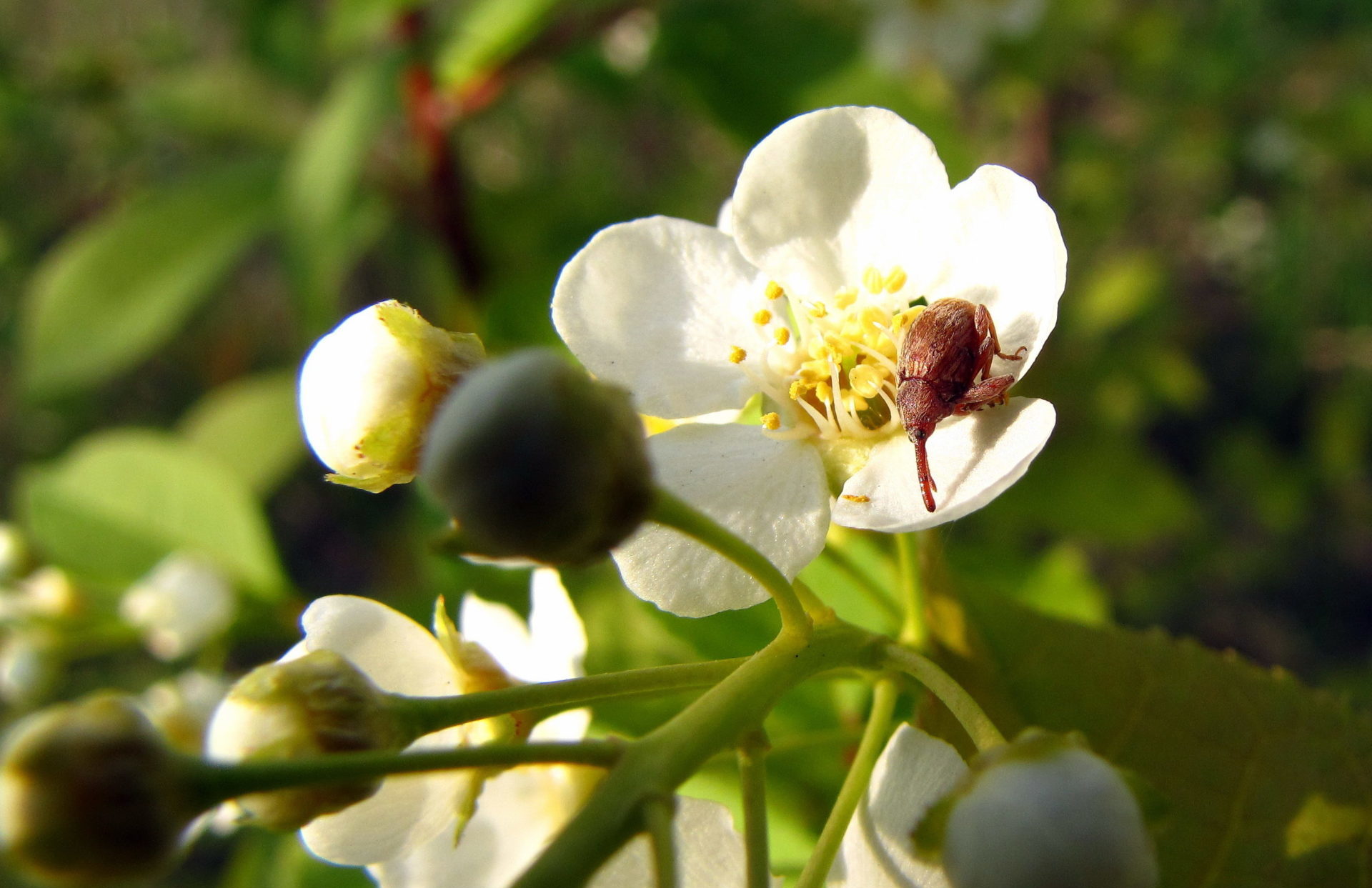
- apple flower beetle;
- copperhead.
A urea solution easily penetrates the bark and passages that pests gnaw through, and destroys insects on the spot.
In addition to pests, urea solution helps in the fight against purple spot, scab And burns.
How to prepare the solution correctly
Preparing the right solution concentration is easy even for novice gardeners. The working solution for root feeding prepared from 30 g of urea (2 level tablespoons) and 10 liters of settled water.
In the spring for spraying against pests A more concentrated solution is prepared from 60 g of dry substance diluted in 1 liter of water. To combat fungal and bacterial infections, a working concentration is prepared from 500 g of dry urea substance diluted in 10 liters of water.
To increase the effectiveness of the working solution for spraying against parasites and infections, 75–100 g of copper sulfate per 10 liters of water can be added to the solution.
For root feeding An aqueous solution can be used at a rate of 250 g of dry matter per 10 liters of water per tree. When applying organic matter simultaneously, the dose of dry urea is reduced by 1/2.
Processing times
Processing times depend largely on the purpose of using urea.
- In spring, the optimal use of urea is to spray plants to protect against harmful insects that overwinter in the bark and soil, as well as to prevent the proliferation of pathogens. Spraying also stimulates bud break and leaf formation.
Spring treatment timing varies by region depending on climate. Temperature is important – treatment is carried out after the average daily temperature has reached 5°C (41°F) for several days. It's important to complete the treatment before bud break.
- Rooting is carried out in summer top dressing by the roots to form larger fruits and accelerate their ripening.
- Preventive treatment is also carried out in the fall at the first stage of leaf fall, especially if signs of diseases appear on the leaves: spotting, rust, scabAutumn root feeding helps increase plant resistance to cold. The optimal time for applying urea in the fall is early November; in cold autumns, the timing may shift to the third ten days of October.
Instructions for use
Urea can be used in several ways:
- spraying against pests;
- foliar feeding in summer;
- root feeding.
Many gardeners make the mistake of simply scattering granules on snow or soil during rain, believing that melting snow and rain will carry the urea into the soil. Unfortunately, precipitation only washes the substance away, transporting it throughout the plot rather than to the roots. Furthermore, the granules quickly decompose in sunlight and water, preventing the beneficial nitrogen from reaching the roots.
Spraying is carried out in dry, cloudy, windless weather, preferably early in the morning or late in the evening. Root fertilizer is applied by digging around the tree trunk in cloudy weather to prevent rapid decomposition of the urea by sunlight.
Root application
 Root feeding can be done in two ways - by adding granules during spring digging of the tree trunk circle or by watering wood with a working solution.
When applying solid granules, lightly moisten the soil around the tree trunk with water, then scatter a thin layer of dry granules over the surface and allow them to swell for a while. Then, shallowly dig the soil, loosen the surface, and water again with a small amount of water. This application is performed in cloudy weather to prevent rapid decomposition of the urea.
Urea can be applied up to three times per season: in spring, in summer during active fruiting, and in early fall after harvest. Before applying, loosen the soil around the tree trunks slightly, then apply 10 liters of the working solution per tree. Spread the solution evenly over the entire trunk circle, avoiding a distance of 10–15 cm from the trunk itself.
When applying top dressing, do not use superphosphates, chalk or lime for several days before and after!
Pest control
Pest control treatments are carried out in early spring before bud break. Spraying requires some tree preparation. Trunks should be whitewashed, and old, dry, and diseased branches that did not survive the winter should be pruned. Before spraying, loose bark should be removed from branches and trunks, and frost cracks and crevices should be sealed. garden pitch.
To do this, prepare a working solution according to the instructions and apply it to the branches, buds, and trunk. A backpack sprayer with an extended wand is best for spraying, especially for tall trees. Apply the solution from under the crown, wetting each branch and bud, as well as the trunk. Apply the solution carefully to cracks and frost cracks if they haven't been treated with garden pitch.
Foliar feeding
Foliar feeding is mainly applied in the summer, when the tree shows signs of nitrogen deficiency. It is less effective than root feeding, but the nitrogenous substances reach the leaves and fruit more quickly. This type of feeding is similar to treatment for diseases and pests, but the effective concentration is slightly different.
Foliar feeding is carried out in early summer, when the fruit set is forming. The solution is added to a sprayer and applied from below to the crown, carefully ensuring that the liquid reaches all the fruit set and foliage. Spraying is carried out in dry, cloudy, windless weather, early in the morning or in the evening, close to sunset.
Advantages and disadvantages of urea fertilizer
Like any fertilizer or treatment, urea has its own characteristics and disadvantages.
The advantages of this method include:
- high nitrogen concentration;
- ease of solution preparation;
- quick effect;
- easily absorbed by plants.
Flaws:
- washed away by precipitation;
- decomposes rapidly under the influence of sunlight;
- the working solution does not have a long shelf life;
- reduces soil acidity.
Precautions when working with urea solution
 When working with urea solution, especially at high concentrations, it's essential to take precautions. Work only with thick, undamaged rubber gloves. For respiratory protection, it's recommended to wear a mask or respirator. Protect your eyes, especially when spraying, with thick goggles or a face shield. If possible, it's best to purchase a special rubberized suit to protect your clothing and skin from the solution.
When working with a liquid solution, stand at least half a meter away from the tree and spread the solution under the tree's canopy. The foliage will create a necessary barrier from sunlight, preventing rapid nitrogen breakdown. Spray the trunks until they are slightly damp.
If the solution comes into contact with your skin, rinse with plenty of water. If it gets into your eyes, rinse them thoroughly and seek medical attention.
Urea is a synthetic fertilizer with a high nitrogen content. It not only helps combat nitrogen deficiency but also kills pests and pathogens. Urea solutions are easy to prepare, and application is hassle-free.