Why are apples wormy on the tree and what to do about it?
Waiting for the harvest is the most enjoyable, yet stressful, time. At the end of summer, gardeners begin harvesting ripe apples. A significant portion of the harvest is lost due to caterpillars appearing on the trees. A wormy apple loses its marketable appearance, spoils, and cannot be stored for long. That's why it's important to know how to combat this pest and prevent it from appearing in your garden.
Content
Why do apple trees produce wormy fruit?
When a gardener discovers worms on their trees and notices that their apples are worm-infested, they wonder what to do. It turns out the trees are being attacked by the codling moth. The pest is difficult to spot against the bark, as the moth is dark gray.
They emerge during the apple blossom season, and their flight lasts for two months. During this time, the butterflies lay light green eggs.
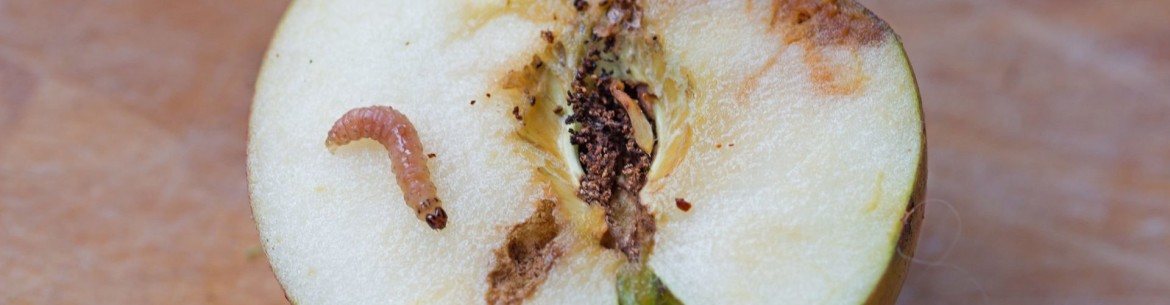
The insects lay a single egg on different parts of the plant. Each parasite can lay 50–120 larvae. The hatched caterpillars penetrate the apple through the skin or the petiole. The fruits stop developing and even fall off.
As a result of such invasions:
- up to 25% of fruits spoil in the first generation;
- in the second – up to 80% of fruits.
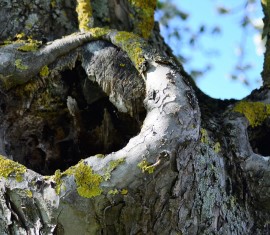
A single caterpillar can damage several apples. It chews out the inside of one fruit, then moves on to another. When the fruit falls, the pest emerges and begins searching for a suitable place to form its cocoon. It most often nests in tree crowns (cracks, crevices) or in unharvested leaves. In the spring, the chrysalis transforms into a butterfly.
In the northern and central regions, one generation of the codling moth can appear, while in the south, up to three.
Methods of control
 The first step is to begin combating the parasite with preventative measures. It's much easier to stop the parasite from appearing than to fight it later.
- In spring and autumn, remove caterpillar cocoons by scraping off old bark.
- Plant flowering crops between trees to attract insects that can help get rid of codling moths.
- Shake the tree daily to remove damaged fruit. Be sure to collect any fallen fruit.
- The codling moth cannot stand the smell of tomatoes, so you can plant this plant near apple trees.
- When the first fallen fruit appears, place trapping belts on tree trunks. Larvae will want to return to the crop to pupate and will attach themselves to the belt.
- In the evening, catch the caterpillars with apple syrup. Place a fermented solution made from dried fruit (100 g) and water (2 l) among the trees. Boil the solution for half an hour, then add yeast and sugar. The syrup will attract the butterflies, and they will die in it.
- Store apples in a tightly sealed container. Before storing, rinse the container and rinse it with boiling water.
By taking preventative measures, you can save time, money, and your crops. So don't resort to chemicals right away.
Caterpillars are not only capable of burrowing into fruit but also transmit various bacteria that cause diseases, such as apple rot.
Chemicals
 Now let's talk about spraying apple trees with various chemical compounds.
The butterfly flies at night, so apply treatments in the evening seven days after flowering begins. Trees are typically treated with Confidor or Intavir.
By the time the fruit ripens, they don't contain any chemicals. You can use Agroverin or Lepidocid. These products are safer. Spray twice per season, with a week's interval.
Folk methods
Birch tar is a popular folk remedy. Soak old rags in it and hang them on tree branches. The tar will repel pests, preventing them from laying eggs on the trees.
Herbal infusions also repel codling moths. To prepare the infusion, use plants with a strong scent, such as tansy or wormwood. To make the infusion last longer on the foliage, add soap to the solution.
Phacelia, a crop like this, can attract parasitoid wasps, which lay their larvae in the eggs of the codling moth. Attracting birds to your garden can help eliminate the caterpillars.
Pest larvae that cause more serious damage to fruit trees
There are many different types of butterfly larvae:
- Goose – a beetle that eats tiny holes in apples. They lay eggs in the fruit's flesh. They then damage the stem, causing the apple to fall from the tree. The larvae develop in the fallen fruit, after which they crawl to the surface and pupate.
- owlThe bluehead is a large insect that lays eggs on branches. As soon as spring arrives, these hatch into larvae with blue heads and yellowish stripes. These pests feed on foliage and damage buds.
- Apple broomIts caterpillars eat leaves, entangling them in butterfly webs, survive the winter, and lay eggs again in the spring.
- Apple blossom weevil insect, which can harm the entire crop by eating flowers with ovaries.
Treatment of fruit trees against apple worms
Insecticides are used to get rid of pests. They can be targeted, affecting a specific parasite, or have a general effect. Modern products are highly effective, and sometimes a single treatment is enough to eliminate them.
Decide on the chemicals and select a single, comprehensive product that is effective against multiple insects. Test the new chemical on a single crop first, then use it on a larger scale.
The following insecticides are effective in controlling various pests, especially as soon as they appear:
- "Benzophosphate" (10%);
- "Karbofos" (10–30%);
- "Rovikurt" (10–25%);
- "Trichlorometaphos" (3.5%).
Lepidocide This is a biological insecticide. It is capable of killing up to 40 types of parasites. It is harmless to other organisms. Once in the pest's intestine, the bacteria disrupt its function. The insect stops feeding and dies within 2–5 days.
Diesel fuel, urea, as well as copper and iron sulfate They are effective in pest control. Before using them, it's important to understand how each product will work on a specific insect.
After flowering, until the fruit is harvested, it is not recommended to use these products (except "Lepidocid"), as they can be ingested along with the apples. Before using any product, be sure to read the instructions.
Preventive measures
 There are some measures that can help get rid of voracious larvae, so you shouldn't avoid them:
- Adults can be dropped onto the litter under the apple tree in the morning.
- Application of adhesive trapping belts.
- Digging and loosening the soil will help destroy individuals that overwinter in the soil.
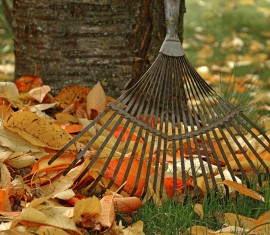
- Cleaning up under the trees: collecting fallen leaves and debris.
- Removing damaged branches.
- Cleaning of old bark.
- Use of herbal infusions with strong odors.
Carrying out treatments according to seasons
Fruit trees require treatment throughout all stages of development. Effective treatments include:
- Removing old nests, pruning branches and cleaning damaged areas of bark in the spring before bud formation.
- During bud swelling, remove insects manually and spray with Nitrofen and copper sulfate.
- During the period of bud formation, use Bordeaux mixture.
- Monitor your apple trees and remove fallen fruit from the area, and remove insects.
- In autumn, remove the trapping belts, clean and whiten the trunks, and tidy up the tree trunk circle.
These measures must be carried out comprehensively and in a timely manner to protect your garden from pest infestations.
Growing an apple tree and harvesting a bountiful crop of healthy and delicious fruit is quite a challenge. Every year, the garden is attacked by various pests. Moreover, they don't just visit; they want to settle in for the long haul. It's essential to monitor the trees with particular care and begin pest control immediately. Preventative measures should be carried out annually, with a pre-planned maintenance schedule. This way, you won't be left without an apple harvest.