Treating apple trees in the fall against diseases and pests is a must for any garden.
Gardeners often overlook such an important step in their agricultural practices as autumn treatment of apple trees against pests and diseases. However, this seasonal spraying is a crucial part of managing garden problems, as it helps protect plants from various biological threats. Effective commercial products and folk remedies are selected for problems of various origins.
Content
Indications for apple tree treatment in autumn
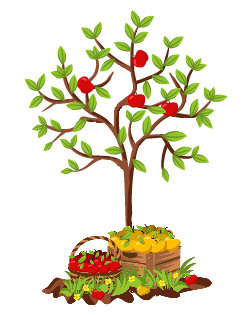 Caring for apple trees in autumn includes a range of measures aimed at reduction in the number of infections, destruction accumulations of pests, wintering in the garden, as well as increasing winter hardiness Fruit-bearing trees. Ignoring preventative measures at this time of year will lead to widespread tree damage in the spring.
Diseases are the main cause of damage to gardeners. Fungal diseases are the most common. Viruses and bacteria attack fruit trees much less frequently. However, if an apple tree shows signs of a disease or pest, treatment should be carried out as soon as possible.
The concentration of treatments and the frequency of treatments depend largely on the climate zone. In southern regions, trees should be treated more frequently and stronger solutions should be mixed. Pests and pathogens often adapt to specific treatments. Therefore, it is recommended to periodically replace them with others.
The effectiveness of spraying is enhanced when combined with other sound agricultural practices: disinfecting working tools, removing infected leaves and fruits, and weeding.
Autumn treatment is required when the following is detected on apple trees:
- Fungal disease scabies, which consists of the appearance of dark brown spots and cracks on fruits and leaves.
- Ulcerative lesions of the bark.
- Dark spots on tree trunks.
- Lichen.
- Polypore mushrooms.
In addition to obvious problems, apple orchards can be threatened by hidden diseases such as powdery mildew, brown spot, and muniliasis. Furthermore, insect pests are already preparing for winter on the trees, typically hiding under the bark, near buds, inside branches, and in the topsoil.
Processing rules
The phases and procedures for autumn apple tree treatments are tied to the stages of the plant's life cycle. Autumn pest and disease control of fruit trees is carried out after the end of the growing season. After the leaves have fallen, the apple orchard can be successfully sprayed with higher concentrations of chemicals without the risk of burning.
There are a number of rules for processing:
- Spraying should be carried out in clear, windless weather;
- the air temperature must be at least 5 degrees Celsius;
- the sprayer should create a uniform cloud of fine mist;
- any damage to the bark must be cleaned before treatment and treated copper sulfate;
- Shortly before the procedure begins, the garden should be cleared of all plant debris.
If no diseases or pests were detected on the trees during the warm season, any remaining debris can be placed in a compost bin. Otherwise, it will have to be burned or buried.
Autumn spraying should be as thorough as possible, targeting not only the tree's crown and trunk, but also the soil around the trunk. However, nearby lawn grass should not be treated.
Preparations for spraying apple trees
To prevent apple tree infections and insect infestations, it's crucial to properly dose treatments and adhere to recommended dosages during fall treatment. Choosing the right treatment based on the tree's condition is also crucial.
These substances act exclusively by contact. This means they have no cumulative effect, are washed away by rain, and do not harm people, animals, or dormant apple trees.
- Urea (carbamide) – white or colorless crystals soluble in liquid. At high concentrations, this substance can burn out all fungal and viral infections and effectively combats insects that overwinter on trees. Urea, when applied in the fall, acts as both a fungicide and an insecticide. Furthermore, urea increases the winter hardiness of apple trees.
- Ferrous sulfate – a concentrated iron solution used to prevent and treat damage to fruit tree branches. It is successfully used to kill overwintering larvae and fungal diseases.
- Copper sulfate – another effective and inexpensive preventative fungicide used in the fall to prevent diseases of fruit crops. This product is not recommended for mixing with Bordeaux mixture or iron sulfate.
- Bordeaux mixture Spraying with it is considered the final step in autumn garden preparation. It contains copper ions, which kill fungi and bacteria by destroying plant proteins.
Means and methods for treating apple trees from diseases
To combat various diseases and pests affecting fruit crops, appropriate methods of prevention and treatment have been developed.
Treatment of moniliosis
 This tree disease is caused by fungal spores carried by insects pollinating blossoming buds. Under the influence of fruit rot, the branches and foliage of apple trees appear scorched. To treat moniliosis, infected parts of the tree are removed and burned. The affected apple tree and adjacent trees are sprayed with antifungal agents. The following have proven effective against this:
 Abiga Peak;
- "Topsin";
- Horus;
- "Kuproksat";
- copper sulfate.
 Abiga Peak;
Antifungal treatment
If untreated cuts or broken branches are found on an apple tree, this indicates the tree may be infected with mold. To prevent the disease from developing, damaged areas of bark should be cleaned with a thick brush, and damaged branches should be pruned. Treat the cleaned areas with fungicides. Additionally, it is necessary to whitewash slaked lime.
Treatment will only be effective at the onset of the disease. Once the fungus penetrates the cambium, the entire tree will gradually die.
From lichen and moss
Apple trees are cleared of lichens and moss only in late autumn. Before treatment, the harvest should have been collected, and fallen leaves removed from the orchard. The branches are treated with a solution of ferrous sulfate, which takes effect for a week. After this period, the moss and lichens Carefully remove the pests from the trees. Damaged areas are sealed with garden pitch. A week later, repeat the treatment, spraying the ground around the tree as well. Complete the cleaning. whitewashing.
Bacterial and viral diseases
Bacterial microorganisms can cause a type of burn that affects apple tree tissue. Microbes that enter the tree through damaged bark contribute to moniliosis. Insects can also cause the infection. Broad-spectrum antibiotics are used to combat these diseases.
Insects also transmit viral diseases, such as mosaic virus, witches' broom disease, star crack of apples, and many others. Once in the tree's tissue, these viruses catalyze its transformation into malignant growths.
Currently, there is no specific treatment for viral diseases of apple trees, so identified outbreaks must be destroyed. Phytohormones are used as a preventative measure.
How and what to use to treat apple trees against pests
Apple pests are divided into three groups:
- insects;
- pliers;
- rodents.
Apple tree treatments against their harmful presence are carried out taking into account their population and species characteristics. This procedure is mandatory in the fall.
Insects
Urea is considered the best preventative treatment for insect control. It is sprayed regularly. Industrial insecticides are also used to kill insect pests.
Ticks
Spider mites are one of the most damaging pests to apple orchards. Universal acaricide-insecticide products are effective against these pests. Treatment should be carried out not only in the fall but also in the spring, before and after flowering. It is important to complete the treatment before fruit set.
Rodents
Mice, hares, wild rabbits and water voles They pose a serious threat to apple trees during the winter—they can chew through a circular strip of bark and interrupt the circulation of vital sap. In addition to mechanical protection, the tree will require treatment with a protective agent. Spraying with copper sulfate or Bordeaux mixture is used for this purpose.
Frequency of processing
The methods for preventative and curative treatment of apple trees, as well as the range of preparations and compounds used, depend little on the climate zone in which a particular orchard is located. There are two fundamental differences:
- start dates of works, period of repeated use;
- concentration of the substances used.
Calendar dates for apple tree processing in different regions
The timing of apple orchard treatment depends entirely on the growth phase of the trees, weather conditions, and the presence of insect pests.
September
In mid-September, carry out the last fertilizing of the season: add 1 tbsp. of potassium sulfate per 1 m2 trunk circle for adult plants and 1 teaspoon for young plants.
October
At the end of October, perform a booster watering, adding 10 buckets of water under each apple tree and mulching the area around the trunk. If autumn is heavy with rain, it is recommended to reduce the amount of water to 3 buckets.
November
Finally, in November, the last treatment of the season should be carried out on trees to combat pests and infectious diseases. Schedule this treatment on a day with no precipitation and temperatures of 5 degrees Celsius or above.
Also scheduled for this month are the procedures for removing moss and lichen, preventative whitewashing of tree trunks, and the installation of a shelter to protect against rodents.