How to treat and seal a hollow in an apple tree: Trunk treatment according to the rules
A hollow apple tree can be a very unpleasant surprise for any gardener. It's a real disease for fruit trees. Hollow trees slow down in growth, become more brittle, and lose their former productivity.
Content
- What is the danger of a hollow for an apple tree?
- Is it possible to leave the hollow untreated?
- Step-by-step processing of a hollow
- Cleaning the inside
- Disinfection of the cavity
- Treatment in the presence of concomitant problems
- Options for filling voids
- Removing a hollow from a seedling
- Treatment of large cavities
- The hollow is infested with ants and is starting to rot.
- Presence of rotten wood
- Treating a hollow in an old apple tree
- Treatment of a hollow with a nest inside
- Juice flows from the hollow
What is the danger of a hollow for an apple tree?
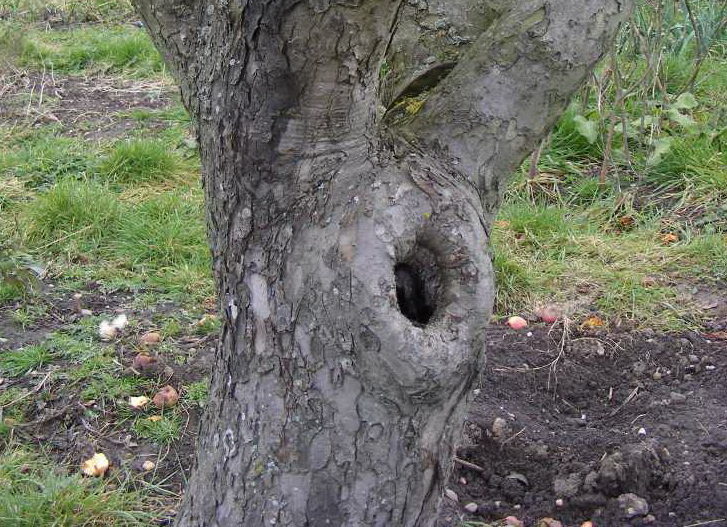
The appearance of a hollow is a sign of wood wound rot, which is one of the main causes of such defects. Several factors contribute to the formation of hollows. These include:
- mechanical dissection of the trunk using agricultural tools;
- damage to the bark by rodents;
- the occurrence of faults due to the influence of natural disasters;
- infection getting into large sections.
Even the slightest damage can cause a hollow to appear, which without proper treatment will cause irreparable damage to the tree.
This exposes the tree's internal tissues. If harmful microorganisms enter these tissues, there's a risk of the entire tree deteriorating.
Is it possible to leave the hollow untreated?
 A hollow is a very dangerous formation on the trunk of both young and mature apple trees. Leaving it untreated and allowing the situation to develop is absolutely unacceptable. As the upper layer of cells dies, the inner layers of the wood become vulnerable to attack. Exposure to moisture turns this wood into a breeding ground for pathogenic bacteria, which contribute to tree deterioration. It's safe to say that an apple tree with a hollow is doomed to a slow but certain death.
Step-by-step processing of a hollow
Before sealing a unique hole in wood, a number of preventative measures should be taken to ensure successful preservation. The preparatory work is virtually identical for hollows of any size and origin.
Cleaning the inside
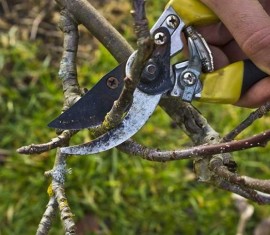
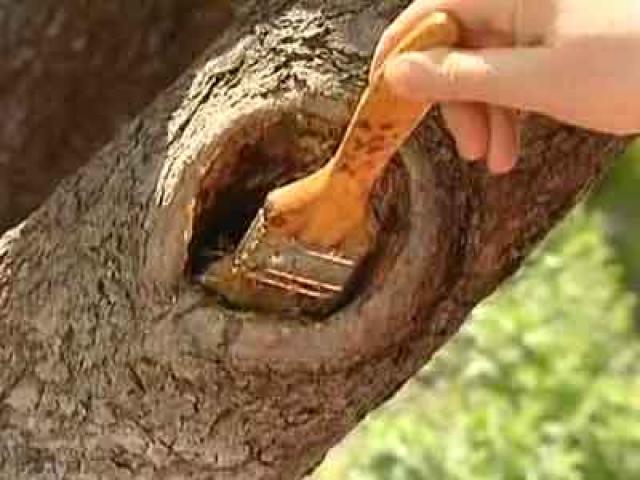 Any treatment should begin with sanitizing the affected area. The diseased tissue must be removed to prevent further development of the cavity under the plugging material. This can be done using a knife, chisel, stiff brush, or narrow spatula.
Initial cleaning takes a considerable amount of time, as it is essential to reach the healthy tissue of the tree, ensuring that there are no parasites or fungi.
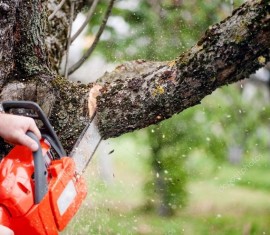
If the hole in the trunk is an unusual shape, you can clean it out with a regular spoon. It's best to use a flashlight to illuminate the area. The inability to reach the far sides of the hollow shouldn't be an obstacle in this case. Use a saw to widen the opening.
After cleaning, the inside of the hole should be thoroughly wiped down, removing all debris. It is recommended to collect it in a sealed container and dispose of it away from the garden area. If sawdust gets into the soil, it will inevitably lead to further infestation.
Disinfection of the cavity
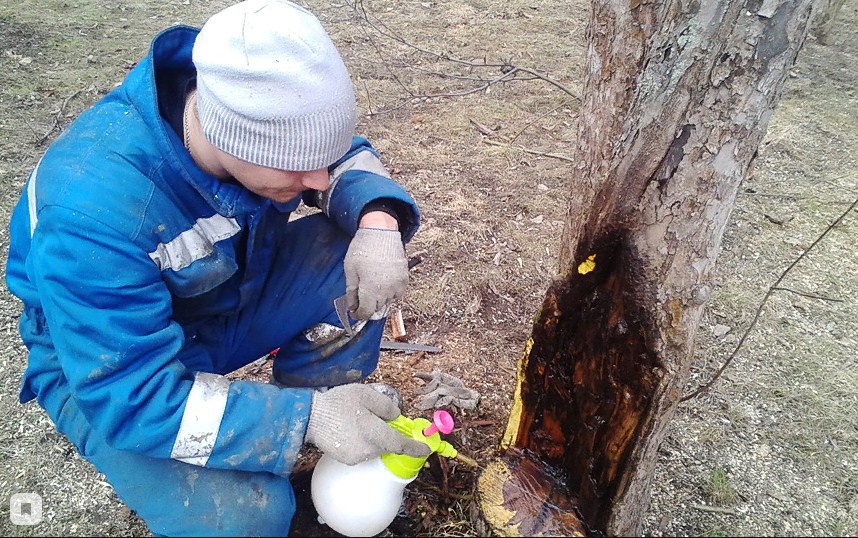 Rotting tree trunk wood isn't easy to dry. Waiting an unknown number of days doesn't make sense, so the next step in treating the hollow is disinfection—treating it with special antiseptics. Standard fungicides are usually used for this purpose.
These include:
- 2% solution copper sulfate and water (10 liters of liquid are combined with 20 g of the substance);
- iron sulfate solution (10 liters of water and 50 g of the product);
- manganese concentrate (1 tsp potassium permanganate per 10 liters of water);
- carbolic acid solution (30 g per 10 l of liquid);
- crushed streptocide into powder, which is used to rub the walls of the hole;
- ground wood ash.
When disinfecting a tree hollow, it is important to remember your health, so the gardener must be sure to prepare personal protective equipment.
Treatment in the presence of concomitant problems
If additional problems, such as mold infestation, are discovered during cleaning and disinfection of the cavity, then in addition to the standard disinfection, it is necessary to spray the cavity with Bordeaux mixture or colloidal sulfur solution. Repeat this treatment for two weeks before proceeding with filling.
Options for filling voids
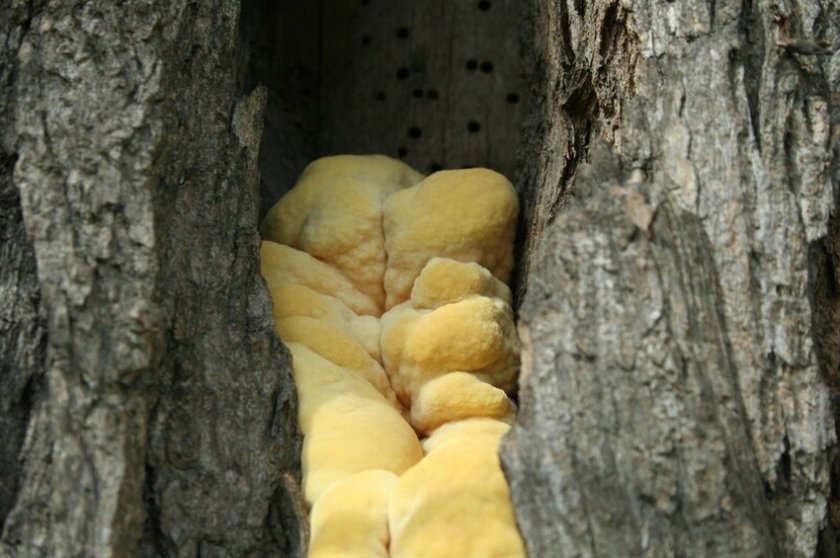
Once all the preparatory steps are completed, it's time to fill the cavity. Depending on the size, different materials are used. Small cavities can simply be sealed with putty:
- made of cement;
- mounting foam;
- garden var;
- clay.
Garden var not only does it seal the damage perfectly, but it also protects the apple tree from temperature changes without drying out its tissue.
Cement mortar is typically mixed from 6 kg of sand, 2 kg of cement, and 1 kg of lime. The ingredients are diluted with water to the consistency of sour cream. This type of mortar is excellent for strengthening the trunk structure.
Mounting foam is the easiest to use. However, it's best to treat the top layer of sealant with oil-based paint after it dries to prevent moisture penetration.
Instructions for the removal of cavities with various etymologies of origin
Treating a hollow apple tree can be complicated by various additional factors. In these cases, treating and filling the cavities requires additional measures.
Removing a hollow from a seedling
 Unfortunately, the development of diseased cavities in apple tree seedlings is not as uncommon as it seems. In this case, the formation is sealed only with garden pitch, as it is the least harmful agent. This procedure should be performed only after disinfecting the walls of the hole.
Treatment of large cavities
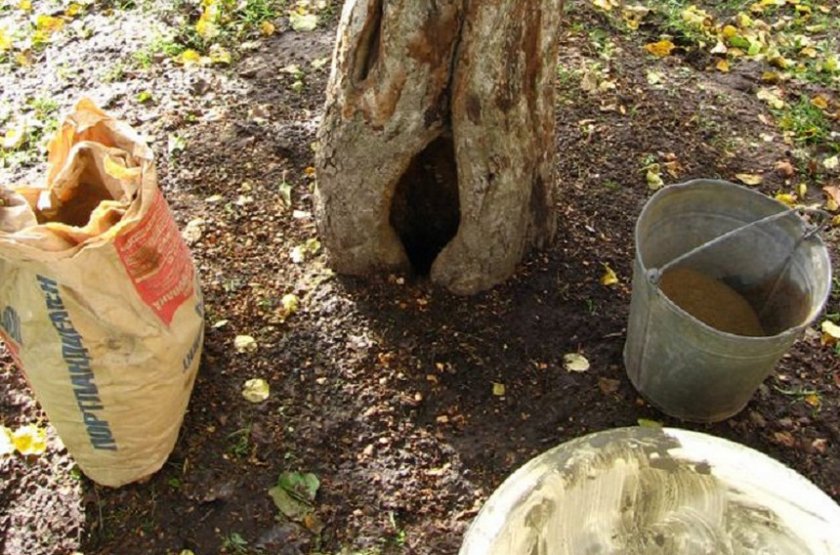
It is advisable to treat large holes using fillers, the main purpose of which is to prevent moisture and air from penetrating into the sealed hollow.
After triple disinfection, charcoal or pebbles can help close the wound. They should be used in combination with putty. Crushed brick mixed with cement (3:1 ratio) is also suitable. The filling site must be sealed with oil-based paint. The healing process can be accelerated by installing a bridge graft.
If the hollow is not only large but also old, a drill with a wire brush attachment will help remove the wood inside it.
The hollow is infested with ants and is starting to rot.
If there are insects in the cavity of the tree hollow antsIf the apple tree's tissues begin to rot, then swift and decisive action is needed. All removed parts of the hole must be scalded with boiling water to prevent further infection of surrounding fruit trees. The next step is preventative treatment with broad-spectrum insecticides. Spray not only the cavity itself, but also the tree trunk and the surrounding area, which must be thoroughly dug up beforehand.
To remove insects, you can use "Muravyed", which is available in specialized stores as a liquid and granular composition.
As an additional protection, it is recommended to spray with Oxyhom and only then preserve the hole.
Presence of rotten wood
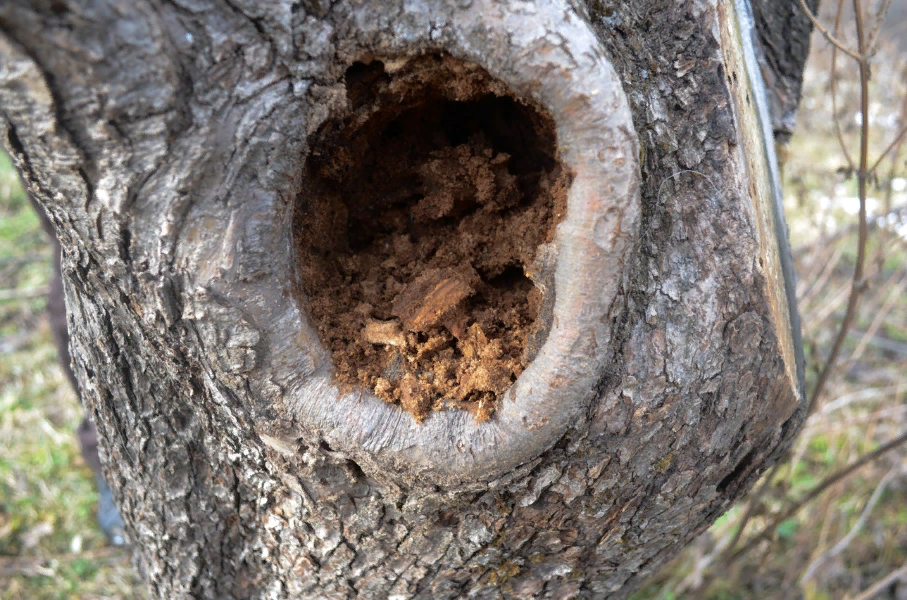
In this situation, the choice of treatment method depends on the size of the lesion. If the cavity is very large and there is a lot of rotten wood, it would be more rational to cut it off. cutting and graft a wilding. It is recommended to cut down the affected tree entirely.
If the cavity is small, a standard cleaning and disinfection process is performed. After the antiseptic has dried, the cavity is filled with a cement solution.
A natural and cheaper version of putty is made from ash and charcoal mixed in equal proportions. The cavity is sealed with a wooden plug and rubber.
Treating a hollow in an old apple tree
Treating an older tree is a more complex task. First, it's necessary to assess its condition. If the apple tree is a cultivar and continues to bear fruit actively, this indicates that the plant is still quite strong and the cavity should be closed using one of the standard methods. Care should then be the same as for a young tree.
A dying tree can be saved by grafting onto a wilding.
Treatment of a hollow with a nest inside
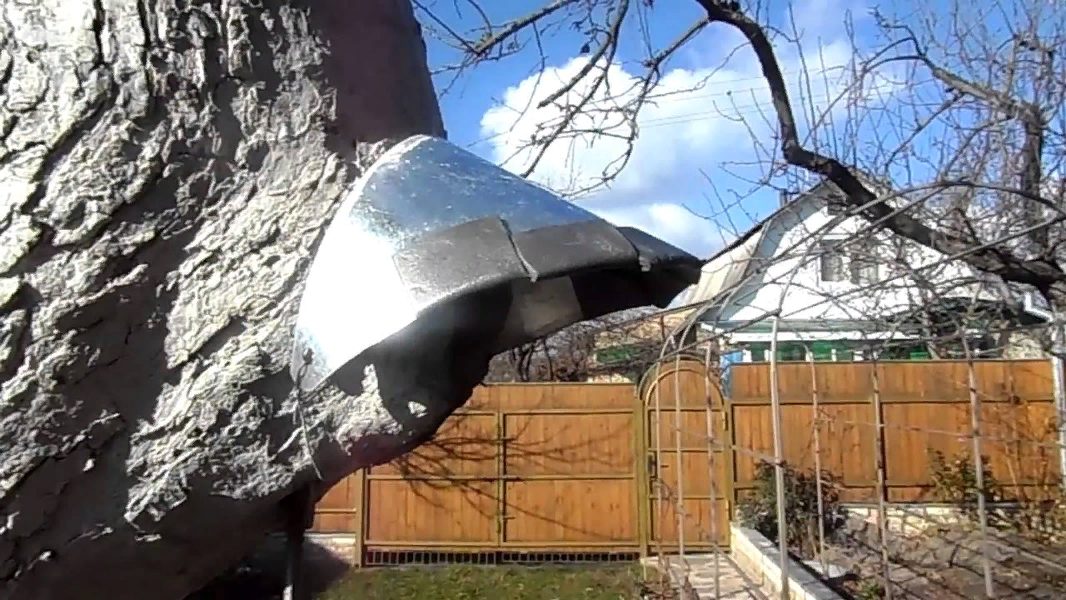
If you find chicks in a tree hollow, don't destroy them; simply delay the tree's treatment for a while. After the young birds have left the nest, remove it and treat the cleaned cavity with a fungicide. Once dry, coat the walls with garden pitch and replace the nest. You can install a canopy over the hole to prevent rainwater or melted snow from seeping in.
Juice flows from the hollow
The appearance of sap in the hollow indicates a secondary infection of the apple tree. The cause may be damage to the crop by the beetle.bark beetle Or the consequences of improper cavity treatment. In the first case, the tree must be treated by injecting the apple tree tissue with a special preparation called "Actellic," dissolved in 1 liter of water. The solution is injected with a thick needle throughout the entire accessible area of the tree.
If sap leakage occurs due to improper treatment of the cavity, repeat treatment, cleaning, and disinfection of the cavities with an antiseptic should be performed. After drying, seal the cavity interior with garden pitch and close it in the standard manner.
Sealing with clay or mullein in this case it is contraindicated.
Since a cavity poses a serious threat to the health of an apple tree, it must be addressed immediately. The choice of treatment depends directly on the size of the cavity and the aggravating factors. Filling materials and methods are selected based on the age of the tree and the depth of the damage.