Gardening in March: What to do for a good harvest
This year, spring arrived early in many regions. By early March 2023, many areas of our country had already experienced consistently above-zero daytime temperatures. Therefore, gardeners have begun to consider the time to create a gardening calendar for March. Moreover, there are many important tasks that, if completed in the first month of spring, can secure free time later – during the peak gardening season. Let's discuss gardening tasks to be performed in March and how to prepare your vegetable garden for the arrival of early spring.
Content
Mandatory March gardening tasks
It's worth starting with the essential tasks that should be carried out in the first month of spring. These include not only caring for fruit trees and shrubs, but also sowing various seeds for seedlings, cultivating root crops and bulbs, and ensuring crop protection in the event of a sudden return of frost or prolonged inclement weather.
Seedling
First and foremost, of course, you need to prepare the seedlings. In March, you should sow the crops that will be planted outdoors in May or early June.
If you've already planted your seedlings by now (for example, in February), be sure to inspect them. They may already be large enough to be pricked out, so that should also be done in March.
In March, it's a good time to sow seeds of mid-season cabbage varieties, early cauliflower varieties, Savoy cabbage, and broccoli. Also in March, you can plant seedlings of dwarf tomato varieties, which will later be transplanted into open ground or unheated greenhouses. Additionally, you can sprout onions in March for an earlier harvest. Onion seedlings are typically sown between March 15th and 25th.
If you live in a region where daytime temperatures in March are consistently above zero, you can harden off your seedlings. It's quite simple:
- Choose a sunny and warm day.
- In greenhouses and hotbeds, open the vents or raise the frames so that air can freely enter the room.
- The duration of this ventilation should be increased gradually, starting with an hour. The maximum hardening period is a full day. Then, the crops are hardened off at night for 6-7 days.
The film covering is removed in a similar manner. Everything should be done gradually, depending on the weather. Along with hardening, you can reduce both the frequency and volume. glazeso that the seedlings will take root better in open ground in the future.
Sowing early vegetable crops
Unfortunately, there are no general recommendations for planting early vegetable crops. The exact timing will depend on the weather forecast for each specific region. For convenience, the following guidelines can be used as a guide:
- If the forecast is favorable and warm weather is likely to finally arrive in the region, you can sow radishes, carrots, and parsley during the March thaw. But to be on the safe side, choose the most frost-resistant varieties.
- In regions where the air temperature in March remains consistently between +5 and +10 degrees, lettuce, spinach, dill, and early onion varieties can be sown directly into open ground.
However, even in very warm regions (with the possible exception of the country's southernmost regions), planting beets and cabbage should be delayed. Despite these crops' resistance to low temperatures, growing them in such conditions can lead to bolting.
March work with tubers, bulbs, and rhizomes
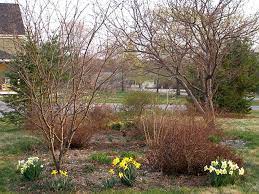 Now let's move on to bulbs, root vegetables, and rhizomes. March is the time for their mass germination. Here, you should consider the timing of planting in open ground:
- Callas, cannas, and gladioli are planted outdoors when their shoots are 40 days old, so they need to be awakened almost a month and a half before that point. The same applies to acidanthera and crocosmia. Dahlias should be planted outdoors when their shoots are a month old.
- If you're digging up lilies (or just bought them), you should plant them in containers; they tolerate transplanting quite well. Inspect them first for damage or rot. If any, the bulbs will need to be treated.
- Spring work also includes sprouting potato and sweet potato tubers. Potatoes require diffused light, moderate temperatures, and adequate moisture for proper germination. Sweet potatoes require warmer temperatures.
- Rhizomes that were dug up for the winter will wake up in March (for example, peonies, hostas, daylilies), so they will need to be examined, treated if necessary, and then planted in containers with soil mixture.
Vegetable garden: what needs to be done in March
Gardening in March requires preparing the beds for future plantings. Beds where early crop varieties will be planted should be sprinkled with ash, covered with transparent film, and left undisturbed.
If frosts suddenly return, you can remove the film so that the emerging weeds can freeze.
Meanwhile, spring cleaning should be done in greenhouses and hotbeds: clean out all dirt, treat everything, cover the soil with snow, and sprinkle with ash. You can also sow green manure and frost-resistant crops at the same time.
It's also essential to consider sheltering your plants in March, especially in areas where the ground barely or barely freezes. Plants need ventilation once the soil begins to thaw. Initially, open the shelters slightly at the ends, and then, when it's warm and cloudy, uncover them completely.
Gardening in March: What to Do
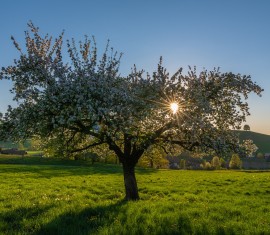
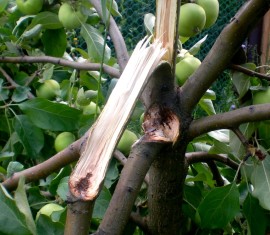
 There's plenty of garden work to do in March, too. First of all, you need to prune fruit plants and inspect them for damage or signs of frostbite. At the same time, you can prune them to speed up fruiting. Any damage that appeared after winter should also be treated during this period.
Next, the garden is processed:
- spraying with Bordeaux mixture or copper sulfate;
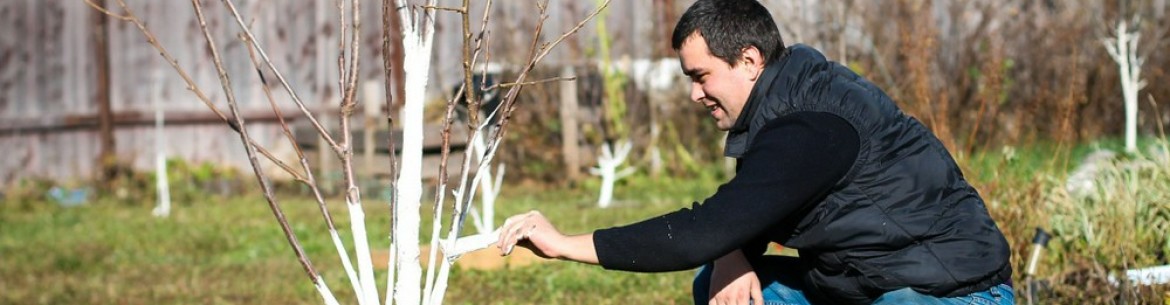
- whitewash trunks and skeletal branches;
- V whitewash add the necessary ingredients: green or tar soap, manure, manure, iron sulfate, etc., depending on what the plants need at the moment.
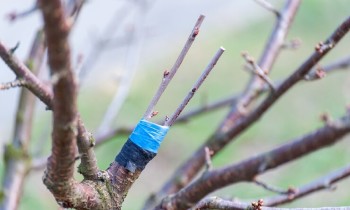
Once the buds have swollen, grafting should be done. Early spring is the ideal time for grafting, as it allows you to introduce new varieties without cluttering your garden with too many seedlings.
If spring has arrived very early and March is rapidly warming up, you can remove snow as early as the beginning of the month.
Protecting crops from bad weather
However, even the earliest spring weather shouldn't delude you. Snowstorms and frosts can return unexpectedly, even if the weather had been warm and sunny before. So, plantings need to be protected from such unexpected troubles:
- On night It's worth covering plants with various insulating materials (even old blankets). It's best to choose specialized mats filled with straw or reeds.
- You can make a custom shelter for your plants using caps or bags, paper or roofing felt cylinders, plywood, wooden boxes with glass, etc. A gardener's imagination can be limitless, the main thing is that the plants are safe.
- If the weather is mostly clear, you can protect plant rhizomes from sudden frosts with mulch. Choose a dark material (such as peat). This is crucial, as dark material will absorb the weak heat of the unreliable March sun. Light-colored mulch will reflect the rays, so it's best used during intense summer heat.
Weed, disease and pest control
 We've already discussed how to treat your garden in March. However, all of those recommendations were general and didn't take into account specific situations, such as various diseases, pests, and weeds. Here are a few tips to help you cope with all these challenges:
- Weeds should be removed only after the snow melts. Don't rush weeding, as it will be fruitless. Wait until the weeds have fully formed leaves so you can identify the plant species and apply a tailored control plan.
- Regarding various diseases, you can relax a bit, as March is still a cold month for pathogens. This only applies to open ground. In greenhouses, symptoms of various diseases can appear as early as March. Blackleg is a particularly common disease. To prevent the disease, seedlings should be sown strictly according to all the rules, thinned as they grow, and the required temperature and humidity levels in the air and soil should be maintained.
- Among the "early" pests it is worth highlighting aphids, flea beetles, mole crickets, cabbage flies, and carrot flies. They require different methods of control. Aphid most often attacks cucumbers and other vegetables under film, so the plants need to be fumigated with tobacco dust smoke or water Their whey. Flea beetles hate lettuce, so they should be planted next to their favorite radishes. Mole crickets don't tolerate strong odors, so you can spread rags soaked in ammonia or vinegar between the rows. Cabbage fly can be controlled with ash and tobacco powder, and carrot fly with ordinary peat.
Auxiliary and other works
Now that the main work has been completed, it's time to think about what else to do in the garden in March. Here are a few possible options:
- While the snow hasn't melted yet, on particularly sunny days, fruit tree trunks may get sunburned. To protect them from this, you need to whitewash the lower parts of the trunks, and rake away the snow in the trunk circle.
- Towards the end of the month, winter coverings should be removed from perennials. The exception is mulch made from sawdust, compost, and other materials.
- Renew rotten or rusty garden paths, repaint, and patch holes where needed.
- Sort out your gardening tools, buy any necessary equipment, preparations, and fertilizers.
Although March is the fourth winter month for most summer residents in our country, the first gardening chores should be done with its arrival. Seedlings should be planted, some crops should be cultivated, and shelter should be provided to avoid distractions from the essentials during the peak of the summer season.