
Getting rid of wireworms on your property in spring
Wireworms are one of the most dangerous and annoying pests that can infest your garden or vegetable patch. They are the larvae of the click beetle and feed on the roots, seeds, and shoots of plants, causing significant damage. Wireworms can ruin crops of potatoes, carrots, corn, sunflowers, melons, watermelons, and other crops. In this article, we'll explain how to get rid of wireworms in your garden and how to prevent them from appearing.
Content
Description of the pest
The wireworm is a worm-like insect ranging from 1 to 4.5 cm in length. Its body is covered with a hard, chitinous shell, brown or yellowish in color, giving it a resemblance to scraps of copper wire. The wireworm has three pairs of legs but moves very slowly. The pest lives in the soil at a depth of 10 to 60 cm, depending on temperature and humidity. In winter, it burrows deeper to avoid freezing.
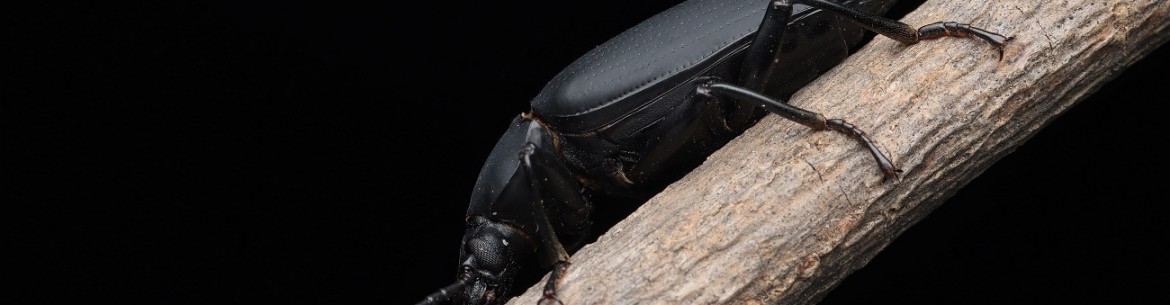
Wireworms are the larvae of the click beetle, which are black or dark brown and about 1 cm long. Click beetles emerge from the soil surface in April and May, when temperatures reach 8–10 degrees Celsius. They feed on plant leaves and flowers and lay eggs in the soil. The eggs hatch into tiny wireworm larvae within 15–20 days, which begin their destructive activity.
The wireworm's life cycle lasts from two to five years. During this time, it goes through four stages: egg, larva, pupa, and adult beetle. The larva causes the most damage to plants in its second and third years, when it reaches its maximum size and appetite. In its fourth year, the larva pupates in the soil, and the following year, a new click beetle emerges from the pupa.
Why wireworms are dangerous for a plot
Wireworms are polyphagous pests that can damage almost any plant in your garden. They gnaw at roots, tubers, and root vegetables, creating holes and passages. This weakens the plants, slows their growth, and reduces yield and product quality. Furthermore, damaged crops become more vulnerable to diseases and other pests.
Wireworms are especially dangerous to potatoes, their favorite food. They chew out tubers, making them unfit for consumption and storage. They can also transmit bacterial rot to potatoes, causing black rot and soft rot of tubers. Therefore, pest control must be particularly proactive and timely. Experts recommend using all possible wireworm control methods in potato plots: agronomic, biological, chemical, and folk remedies.
How to detect wireworms
Identifying the presence of a parasitic insect in a garden isn't as easy as identifying other pests. It hides in the soil and leaves no obvious traces of its activity.
Signs of parasitism
But there are several signs that may indicate that an area is infested with wireworms:
- Click beetles emerge on the soil surface and lay eggs containing wireworm larvae. Click beetles can make clicking sounds when they roll over or jump.
- Holes and burnt spots from click beetle bites appear on plant leaves and flowers.
- Plants wilt, turn yellow, dry out, or even die. This may be caused by damage to the plant's root system by the larvae.
- Holes, passages, black spots or rot appear on tubers and root crops due to the harmful activity of wireworms.
- The parasite's excrement, which looks like dark grains or lumps, is found on the soil and plants.
The best remedies against wireworms
How to combat wireworms in the garden? Gardeners often use agrochemicals, but there are other ways to get rid of the pest.
Lures
One effective way to combat larvae is to use baits that attract them. Baits come in various forms:
- Vegetable: pieces of potato, carrot, beetroot, or other vegetables are buried in the soil to a depth of 10–15 cm at intervals of 50–70 cm. After 2–3 days, they are dug up along with the larvae and burned or doused with boiling water.
- Animals: pieces of meat, fish, or lard, which are also buried in the ground to a depth of 10–15 cm with intervals of 50–70 cm. The bait is then also dug up and destroyed along with the larvae.
- Chemicals: Special preparations that attract wireworms, such as "Wireworm-Stop" or "Wireworm-Granules," are used. These are sprayed or scattered over the soil surface. After a few days, the soil is loosened and the larvae are collected.
Baits should be used in April-May, when wireworms are most active and hungry.
Soil deoxidation
The insect prefers acidic soils, so one way to combat it is to deacidify the soil. This can be done using lime, dolomite flour, ash, or other alkaline substances, which increase the soil pH and make it less favorable for the pest.
Soil deoxidation is carried out in early spring before sowing or planting. The dosage of deoxidizer depends on the soil type and its acidity, but generally ranges from 300 to 500 grams per square meter.
Natural enemies
The pest has many natural enemies that help control it. These include birds, lizards, snakes, frogs, hedgehogs, moles, mice, and other animals that feed on the larvae.
To attract these beneficial predators to the area, they create comfortable conditions for them: install bird feeders and waterers, leave piles of stones or firewood for lizards and snakes, plant shrubs and grasses for frogs and hedgehogs, and leave fallen leaves and mown grass for mice and moles.
Onion peel

This is a simple and affordable remedy against wireworms, which gardeners use as a preventative measure or as a complement to other control methods. Onion peels contain phytoncides, which repel the pest with their scent.
Collect onion peels and soak them in water for 24 hours. Then, water the plants with this water or sprinkle it on the soil surface. You can simply scatter the dry peels over the beds or insert them into the planting holes.
Mustard powder
Mustard powder is another effective pest control product that works on the same principle as onion peels. Mustard powder has a strong odor and taste that wireworms dislike.
Dilute the substance in water at a ratio of 100 g per 10 liters and spray the resulting solution on the soil surface or water the plants. Some gardeners sprinkle the powder on the beds or add it to the holes when planting.
Needles
Pine needles are a natural antiseptic that also helps combat wireworms. They contain essential oils that repel the pest with their scent and have a bactericidal effect on the soil.
You should collect needles from spruce, pine, or fir trees and spread them over the beds or insert them into planting holes. You can also steep the needles in boiling water and water the plants with the infusion or sprinkle it on the soil surface.
Potassium permanganate solution
A manganese solution is a chemical agent against wireworms, killing their larvae and click beetles. It also disinfects the soil and plants, thereby protecting them from diseases and other pests.
Potassium permanganate is diluted in water at a ratio of 5 g per 10 liters. The prepared solution is then used to water crops or treat the soil for wireworms, thereby improving its condition.
Use this product with caution as it may cause burns to the skin or mucous membranes.
Herbal infusions
Herbal infusions are folk remedies against wireworms that have been used since ancient times. They contain substances that repel the pest with their smell or taste and also improve the condition of the soil and plants.
Herbs are steeped in boiling water for several hours or days. The resulting infusions are used to irrigate and water plants, and also to treat the soil with a spray bottle. The most effective herbs against wireworms include wormwood, tobacco, garlic, pepper, horseradish, yarrow, tansy, chamomile, calendula, and others.
Preventing the appearance of wireworms on your property
In addition to controlling pests, it's also important to prevent them from appearing on your property. The following preventative measures can be used for this:
- Practice crop rotation. Avoid growing the same crop in the same location for more than two years in a row. Alternate plants favored by wireworms (potatoes, carrots, corn, sunflowers, etc.) with plants they dislike (legumes, cabbage, onions, garlic, etc.).
- Conduct deep plowing in the fall. This helps bring larvae and click beetles to the soil surface, where they are killed by frost or become prey for birds.
- Regularly weed and loosen the soil. This procedure improves its structure, ventilation, and moisture retention, as well as eliminates weeds that harbor pests.
- Collect and destroy plant debris after harvesting. This will remove eggs, larvae, and click beetles that may overwinter in them.
- Use green manure crops. The most effective against this parasitic insect include mustard, lupine, phacelia, rapeseed, oats, and others.
Wireworms are a serious pest that can cause significant damage to your garden or vegetable patch. To combat them, you need to use a combination of measures that will not only help get rid of the insect but also prevent its return in the future.




Comments
A wonderful remedy for mice and moles! They'll eat the vegetables first, and the mice have also gnawed away at all the small trees!