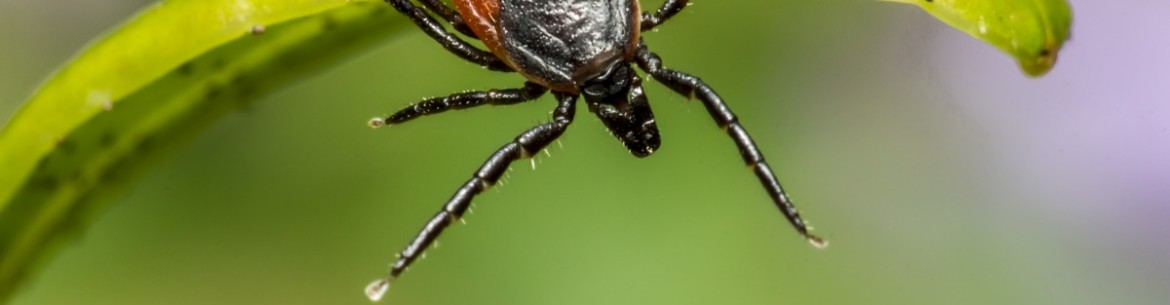
How to get rid of ticks in your yard
Ticks are one of the most annoying problems faced by homeowners. Not only do they cause discomfort with their bites, but they also carry dangerous infections such as tick-borne encephalitis and Lyme disease. We'll tell you how to get rid of ticks in your property.
There are several effective ways to destroy these insects on your property:
- Grounds maintenance—regularly cleaning the area and removing tall grass, cut branches, and leaves—will help reduce the number of places where ticks can hide and breed.
- Use repellents—applying them to exposed skin and clothing can help repel ticks. Repellents contain substances that repel insects and prevent them from attaching to the skin.
- Use specialized products – there are many chemical compounds on the market that can be used to treat an area against ticks. These substances provide long-term protection against ticks and help reduce their numbers.
- Create barriers - install structures that will help repel ticks from the area.
You can create some path between your home and the forest using gravel paths or other similar materials.
- Treat animals—if you have pets on your property, treat them with tick repellents. This will help protect not only them but also you from possible infestation.
Content
Causes of ticks
Ticks are parasites that inhabit tall grass, shrubs, and wooded areas. They become active during the warm season, especially when temperatures rise above 5 degrees Celsius.
The greatest activity of ticks is observed in spring and summer.
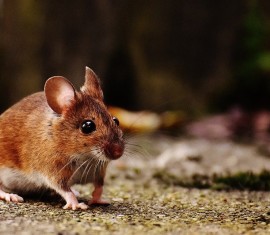
Insects are attracted to areas with tall grass, moisture, and sufficient numbers of animals such as mice, rats, and wild animals, which are their primary carriers.
How to check an area for ticks
Before attempting tick control on your property, it's important to conduct a check. To do this, inspect tall grass, bushes, and other places where ticks might hide. Ticks most often inhabit shaded and damp areas, so pay attention to these areas on your property. It's also recommended to inspect your pets, especially if they are regularly present on the property.
Folk remedies for ticks
If you prefer to use natural tick repellents at your yard, there are several home remedies that can help reduce the risk of tick bites. First, you need to decide what is the best tick treatment to use yourself. One of the most popular methods is using essential oils. Cedarwood, eucalyptus, lavender, lemon, and geranium oils are natural tick repellents. Apply a small amount of one of these oils to exposed skin or clothing to repel ticks.
Step-by-step technology for processing a site
Proper treatment of the area is key to combating ticks. Try these steps to help get rid of them:
- Remove tall grass and shrubs, especially near your home and areas where you plan to spend time.
- Trim the branches of trees and shrubs to reduce shade and moisture that attract ticks.
- Place barriers around the area to prevent entry of animals that may carry ticks.
- Set up tick traps around your property to help reduce tick populations.
- Treat the area periodically with insecticides specifically designed to control ticks.
The most effective special products
There are many special tick repellent products available on the market for your garden. They come in the form of aerosols, creams, lotions, or sprays. When choosing a product, pay attention to its ingredients and instructions for use. It's important to remember that some contain hazardous chemicals, so follow the instructions and use them with caution.
Preventive measures
There are several simple but effective measures that can help reduce the number of ticks in your area.
- Remove tall grass and shrubs—ticks love to hide in tall grass and under shrubs. Therefore, mow the grass and remove weeds regularly.
- Create barriers – bare soil can help prevent ticks from appearing. Spread pebbles or crushed rock around your property or paths. This will create a barrier that will make it difficult for ticks to move.
- Keep the area dry and clean—these insects prefer damp and shaded areas. Therefore, sweep the area regularly and remove excess debris, which could serve as a hiding place for ticks.
- Use repellents – Applying repellents to exposed skin will help repel ticks. Choose products containing DEET, IR3535, or pyrethroids. Don't forget to use repellents on your pets as well.
- Carefully inspect yourself and your pets—after walks outdoors or spending time in your yard, carefully examine your clothing, body, and hair. Also, check your pets for ticks.
What mistakes should you avoid when fighting ticks?
In addition to preventative measures, it is also important to know what mistakes to avoid when dealing with ticks.
- Use the right tools to remove ticks - using the wrong tools, such as tweezers, or squeezing the tick with your fingers can cause the tick to release more viruses or bacteria into the body.
Use tick tweezers or a tick loop to carefully remove the tick.
- Follow good hygiene practices after removing a tick: thoroughly wash the bite site with soap and water. Do not rub the bite site or apply alcohol or iodine to it, as this may introduce infection.
- Monitor your symptoms. If you develop symptoms such as a rash, fever, headache, or severe joint pain after a tick bite, consult a doctor immediately. These could be signs of dangerous tick-borne infections.
To get rid of ticks in your yard, it's important to take a comprehensive approach, combining folk remedies, site treatment techniques, and specialized products. Only then can you effectively protect yourself and your loved ones from these pesky pests and enjoy your outdoor recreation safely and comfortably.