
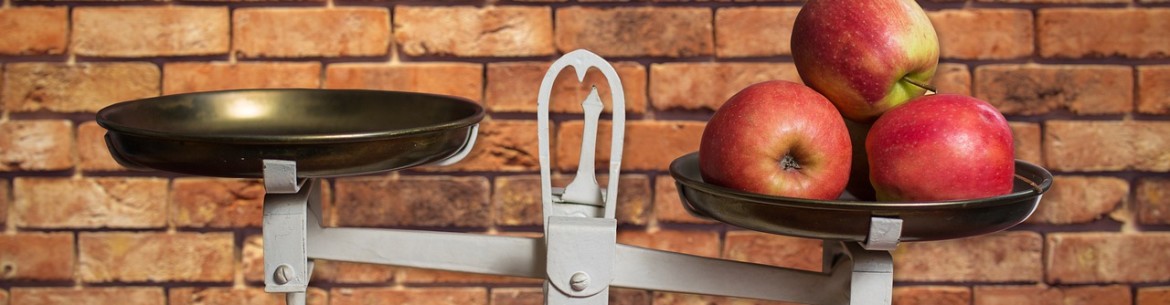
How much does an apple weigh: medium, large, small
How much does an apple weigh: small, large, and medium
An apple is a precious gift from nature, and its consumption brings exceptional health benefits. Your digestive system will thank you if you include this fruit in your daily diet. And for those watching their figure, it's a godsend.
Content
Dependence of mass on variety
Apples are so diverse! They vary in taste, appearance, color, shape, and size—there's a choice to suit every taste. The variety determines the weight and appearance, as it carries the corresponding genes. Of course, proper care of the apple tree affects the size of the fruit: wild apples are smaller in this respect than garden apples. But the varietal characteristics are primarily responsible for whether the fruit you get is large or small.
Common varieties and unit yield weight:
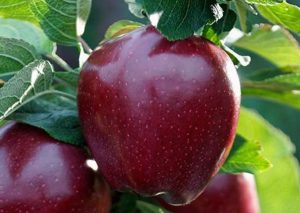
- The varieties that produce the smallest fruits are Kitayka and Ranetki. They grow to only 3 cm in diameter. A single Chinese apple weighs no more than 25 g.
- Well-known varieties with small fruits include Pepinka and Lithuanian. Each fruit weighs 50–70 g. The diameter is 5 cm, slightly larger than the miniature Kitayka.
- The varieties are famous for their medium-sized aromatic fruits. Saffron pepin, Sarah, Anise. The apple trees produce medium-sized fruits, 7.5 cm in diameter, weighing approximately 150 g.
- Antonovka and Grushovka can be considered giants among the varieties. Fetch, Semerenko, Bas-relief. The fruit of one variety weighs over 200 g and has a diameter of 10 cm.
How much does it weigh?
The size of a fruit determines its weight. 1 kg can contain 3 pieces, or it can contain 15. What does it mean to be an apple small, medium, or large? Similar descriptions are common. When calculating calories, it's important to know the weight of the product.
Small
Small apples can be either wild or cultivated. A ripe fruit weighs no more than 70–75 g.
Average
The modern apple has grown in size. The average fruit weight has increased to 160 g. Breeders are constantly developing new, more productive and larger-fruited varieties.
Large
Fruits weighing more than 250 g are considered to be such.
This giant fruit was developed by Japanese breeders and weighs over 2 kg. No apple larger than this has ever been recorded in the history of plant cultivation.
How many apples are in a kilogram?
It's clear that the amount of fruit in 1 kilogram will depend on its weight. Knowing the approximate weight of each category (small, medium, large), it's easy to calculate the number of fruits: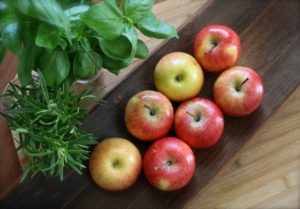
- If the fruits are small, there will be on average 20–25 pieces in 1 kilogram.
- Medium-sized fruits are larger, 6–8 pieces will weigh 1 kilogram.
- A kilogram of large apples will contain no more than 3-4 pieces. But what apples!
Which is tastier – small or large fruits?
The weight of a fruit doesn't affect its taste. What matters more is the conditions in which it was grown, how much sun, moisture, and nutrients it received. Even apple trees of the same variety can produce a harvest that's tasty or not so tasty when grown in different conditions. The variety's flavor profile is determined by the amount of sugar and acid, as well as the thickness of the skin, while fruit size only affects weight.
Apples, both large and small, slow the aging of blood vessels, have a beneficial effect on heart function, and help prevent strokes. It is recommended to eat at least one apple weighing at least 50 g daily.
Apples are rich in micronutrients and fiber. With so many varieties available, you can choose your favorite flavor. Knowing the fruit's size is essential for calculating calories. For those watching their diet and calorie intake, the weight and size of these fruits will be of interest.

Comments
Of course, it's very important to know how much an apple weighs. This is important for those on a diet. When I'm on a diet, it's important for me to know how many calories it contains, and for diabetics, it's important to know how many bread units (BU) it contains, so they can determine how many carbohydrates it contains.