How to apply fertilizer to the soil: general rules
Fertilizing the soil is an important practice that promotes plant growth and development, as well as increases yields. However, it's important to remember that improper use of fertilizers can harm the environment, so adhere to the following general guidelines:
- Soil analysis. Before applying fertilizer, conduct a soil test. This will help determine its fertility and nutrient needs. Many agricultural universities or laboratories offer soil testing services.
- Choosing the right fertilizers. Based on your soil analysis and the specific plant requirements, choose a fertilizer that contains the necessary elements in the correct proportions. Fertilizers typically contain three essential elements: nitrogen, phosphorus, and potassium.
- Observe the dosage. Don't overdo it with fertilizer. Excessive amounts can damage plants or cause environmental pollution. Follow package directions or expert advice.
- Choose the right time. The timing of fertilizer application depends on the type of fertilizer and soil type. Some fertilizers are best applied in the spring before sowing or planting, while others are best applied during the growing season.
- Uniform distribution. Distribute fertilizer evenly over the soil to ensure uniform absorption by plants.
- Avoid contact with the roots. Fertilizers, especially mineral ones, can be harsh on plant roots. Try to avoid direct contact with the roots.
- Be careful with chemical fertilizers. Chemical fertilizers can be dangerous if used improperly. Take precautions and keep children and pets away from fertilizers.
- Take the weather into account. If possible, apply fertilizer before rain or water the soil after application to speed up the process of dissolving the fertilizer and its absorption by plants.
Content
Types of fertilizers and their applications
 Fertilizers are materials added to soil or applied to plants to improve the soil's nutritional value and increase crop yields. Depending on their composition and application method, they can be classified according to various criteria.
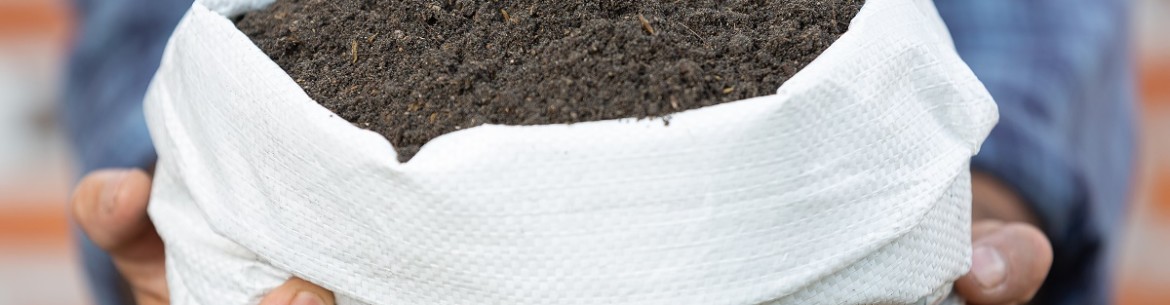
- Organic fertilizers are applied to soil to improve fertility and structure. These fertilizers are derived from organic materials, such as animal and plant waste, which decompose in the soil and provide nutrients to plants. They are a natural and environmentally friendly source of nutrition for plants. Organic fertilizers include: humus, compost, peat, worm compost, dry leaves and grass.
- Fertilizer Amount: Use the optimal amount of fertilizer applied to the soil to avoid problems and minimize the risk of overloading plants with nutrients.
- Adding phosphorus fertilizers to the soil promotes root development, strengthens stems, and develops flowers, seeds, and fruits. Phosphorus is one of the most important macronutrients required by plants for normal growth and development.
- Dry fertilizers should be applied to the soil surface. This type is easy to store, transport, and apply. They are among the most common types of fertilizer and are used in agriculture, gardening, and horticulture.
- Liquid fertilizers should be diluted before being applied to the soil according to the recommendations. Liquid fertilizers are highly soluble and readily available to plants, and are often used for top dressing. glaze root zone of plants and leaf cover.
What fertilizers are used for what?
- Organic fertilizers: derived from organic matter such as compost, humus, fish oil, and other biomass. They improve soil structure, enrich it with organic matter, and provide nutrients gradually, promoting long-term plant growth.
- Mineral fertilizers: contain concentrated mineral elements such as nitrogen, phosphorus, and potassium. They are widely available in commercial forms and provide quick and accurate nutrient application.
- Organo-mineral fertilizers: a combination of organic and mineral fertilizers. They combine the benefits of both types, providing long-term plant nutrition and ease of use.
- Specialty Fertilizers: Some plants or soils may require specialized fertilizers with unique compositions.
Remember that the choice of fertilizer and its dosage should depend on the specific requirements of different plant species. Some crops, such as vegetables, may require more nitrogen to produce juicy fruits, while others, such as flowers, may grow better with less nitrogen to encourage flowering. Also, keep in mind that some plants are more sensitive to certain elements; excess amounts can cause problems. chlorosis (yellowing of leaves) or other problems.
How often can you apply fertilizer?
The frequency of application depends on the type of fertilizer, soil type, crop, climate conditions, and other factors. When deciding how to properly apply fertilizer to the soil, it is important to follow the recommendations of professional agronomists or the instructions on the fertilizer packaging to ensure optimal plant growth and avoid potential problems.
In general, there are several general rules:
- Fertilizers with microelements can be used more often than fertilizers with basic elements (nitrogen, phosphorus, potassium), since microelements are required by plants in smaller quantities.
- It is recommended to split the fertilizer dose into several small applications throughout the growing season rather than applying it all at once. This promotes better nutrient absorption and reduces the risk of overloading the plants.
- Fertilization can begin from the moment of sowing or planting seedlings and continue depending on the stage of plant development.
- If plants are grown in the ground, it's important to consider the soil type and its fertility. More fertile soils may require less fertilizer than poorer soils.
- It is important to monitor the plants' response to fertilizers and adjust the dosage if signs of nutrient deficiency or excess appear.
Fertilizer frequency depends on several factors, including soil type, fertilizer type, plant species and their nutrient needs, and climate conditions. General recommendations may vary depending on specific conditions, so it's always best to consider the specific needs of your garden.
Methods and timing of fertilizer application
| Type of fertilizer | Methods of application | Recommended application dates |
|---|---|---|
| Organic fertilizers | Application to the soil before plowing or after organic residues (manure, compost) | In the fall before plowing or in the spring before sowing or planting crops |
| Mixing into soil or distributing around plants | ||
| Mineral fertilizers | Application to the soil before sowing or after planting (nitrogen, phosphorus, potassium fertilizers) | Depending on the needs of the crop, nitrogen fertilizers are applied at early stages of growth, phosphorus and potassium fertilizers at later stages of development. |
| Foliar application of fertilizers | ||
| Complex fertilizers | Application to the soil before sowing or after planting | During the growing season |
IMPORTANT. The method of application of fertilizers can significantly affect their effectiveness. If the fertilizer is intended for root nutrition, it must be evenly distributed throughout the soil in the active root zone of the plant. When applying foliar fertilizer, ensure the leaves are well covered with the solution. Keep in mind that some fertilizers can cause leaf burn if their concentration is too high, so strictly follow the manufacturer's recommendations.
Timing of root feeding
| Plant type | Timing of root feeding |
|---|---|
| Annual herbs | In early spring and before flowering |
| Perennial herbs | In spring after the snow melts and before flowering |
| Vegetable crops | At the beginning of the growing season and before fruiting |
| Fruit trees | In spring before active root growth begins and in autumn after harvesting |
| Shrubs | In spring before active root growth begins and in autumn after harvesting |
| Flowering shrubs | After flowering and in autumn after harvesting |
| Coniferous trees | In spring after the snow melts and in autumn before winter |
Please note that these timings may vary depending on the region and specific growing conditions. It's always best to consult with local gardeners or agronomists to determine the optimal time for root feeding in your specific situation.
Preparation of solutions and mixtures
The preparation process begins with determining the necessary components for creating a solution or mixture. When measuring the components, use clean glassware and precise instruments, such as a measuring cup or graduated cylinder.
Particular attention should be paid to the gradual mixing of the components to avoid errors and ensure even distribution. It is important to thoroughly stir the mixture after each addition.
In addition, it is important to follow safety precautions, especially when working with chemicals, to avoid possible hazards and ensure a safe environment.
Fertilizer application rates
Application rates determine the amount and type of fertilizers to be applied to a given area or crop. These rates are developed based on research that takes into account plant nutrient requirements, soil analysis, environmental conditions, and other factors.
Fertilizer application rates may vary for different crops, soil types, climate conditions, and growing methods. They also depend on cultivation goals, such as increasing yields, improving product quality, or maintaining soil fertility.
It is important to consider the individual conditions of your site or farm, consult with agronomists or agricultural experts, and follow recommendations for best results when using fertilizers.