Chlorosis in Plants: Causes, Symptoms, and Effective Treatment
Chlorosis is a common disease faced by almost all gardeners. If the problem is not identified in a timely manner and proper treatment is not provided, the affected plants' tops dry out and their root systems die.
Content
Description of the disease: what is plant chlorosis?
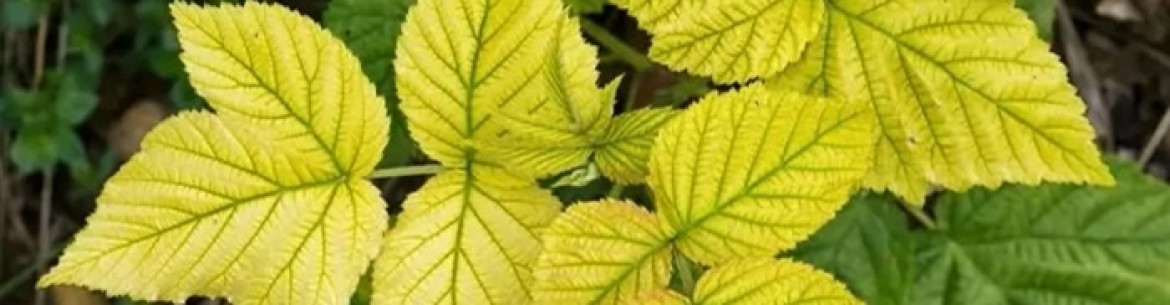
Chlorosis is accompanied by a disruption in the formation of chlorophyll in leaf blades and a decrease in the activity of photosynthesis against this background.
Causes of chlorosis
There are many factors that can cause this disease. Three types have been identified: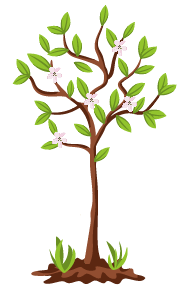
- infectious (carriers include viruses, pathogenic organisms and harmful insects);
- hereditary (arises as a mutation and is often used in the development of variegated varieties);
- functional (non-infectious).
The causes of functional chlorosis are as follows:
- unfavorable climatic conditions;
- failure to comply with the basic principles of agricultural technology;
- insufficient drainage;
- too dense plantings, excluding natural air ventilation;
- deficiency of vitamins and beneficial microelements in the soil (usually there is a lack of lime, iron, magnesium, zinc and sulfur).
The main difference between a non-infectious disease and an infectious one is the presence of green veins on yellow leaves.
Distinguishing features
Symptoms of chlorosis include the following:
- premature yellowing of leaf blades;
- reduction in the size of newly formed leaves;
- curling of leaf edges;
- drying of stem tops;
- falling of leaves and flowers;
- deformation of buds and flowers;
- root system rot.
Methods of treating plant chlorosis
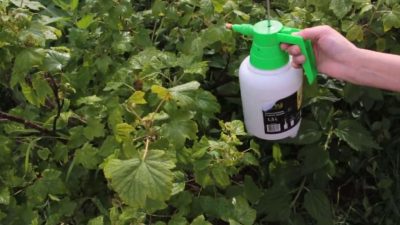
To treat a crop affected by non-infectious chlorosis, perform top dressing The missing nutrients. The procedure is performed both root and foliar (on the foliage). When treating trees, the nutrient mixture can be injected with a syringe into the trunk or branches.
The choice of preparations is made depending on which element is lacking in the soil, for example:
- the problem of low iron levels is solved with Ferovit, Micro-Fe, Ferrilen or iron chelate;
- magnesium deficiency is compensated for dolomite flour, magnesium sulfate or Mag-Bor;
- sulfur deficiency is replenished with preparations containing it: "Azofoska", "Diammophoska" or potassium sulfate;
- in case of zinc deficiency, zinc sulfate, zinc oxide or superphosphate containing zinc are added to the soil;
- Calcium deficiency is replenished with wood ash, slaked lime or eggshells.
Since nitrogen-containing compounds block the formation of buds and buds, it is not recommended to use them in large quantities during the flowering period.
Infectious chlorosis is incurable, so the affected plant must be immediately dug up and destroyed, otherwise nearby crops may become infected.
Preventive measures
To prevent the development of chlorosis, timely application of mineral and organic fertilizers to the soil is recommended. If the missing element in the soil is not identified, complex formulations containing the elements necessary for the proper growth of crops are used, for example:
- "Uniflor Micro";
- Kemira Lux;
- Florist Micro.
In addition, a number of preventive procedures are performed:
- disinfection of garden equipment with special agents before use;
- soil disinfection before sowing or planting;
- treating planting material with a fungicide solution;
- timely destruction of harmful insects;
- mulching row spacing;
- maintaining normal acidity levels and preventing alkalization.
Chlorosis of fruit and berry crops
 Chlorosis of fruit and berry crops is often observed during the ripening period. Affected plants experience stunted growth and reduced fruiting.
Apple
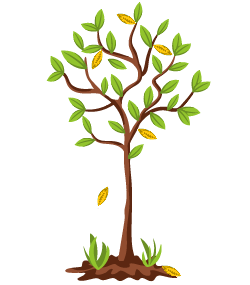 In apple trees, the disease manifests itself as leaf tip death and the formation of yellow spots. Organic chlorosis typically develops due to iron deficiency in the soil or soil conditions that prevent the root system from absorbing this element. However, before treating fruit trees, it's important to confirm that iron deficiency is the cause: yellowing of the foliage at the tips of branches and damage to young shoots will indicate this.
Identifying the cause of chlorosis is easy only in its early stages. As the disease progresses, determining its source is quite challenging.
Viral chlorosis in apple trees can occur in two forms: mosaic and ringspot.
Leaf discoloration on the lower part of apple tree branches indicates low nitrogen levels in the soil.
Raspberry
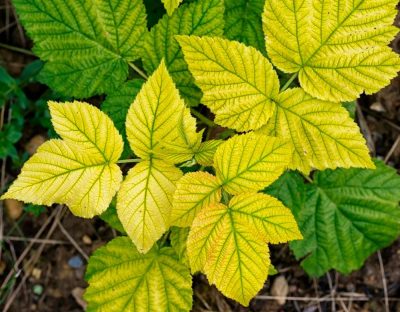 Raspberry chlorosis is also caused by a deficiency of an element or poor soil conditions. Watering the bush with cold water can stimulate the development of organic mosaic. The distinctive symptom of this disease is the formation of small yellow spots on the leaf blades, which gradually spread across the entire surface.
Later, spots also appear on the stems. To treat the crop, a solution enriched with the missing substance is added to the soil. If the problem is due to alkalization of the soil, gypsum is added (up to 120 g per 1 m2), and if the reason is high humidity, then reduce watering.
In case of raspberry disease with viral chlorosis, the bush is dug up and burned.
Strawberry
The factors that cause chlorosis in strawberries are the same as those in raspberries: vitamin and nutrient deficiencies, high soil acidity, and infection. Special preparations are used to treat functional chlorosis. This viral disease manifests itself not only as discoloration of the leaf blades but also as short internodes. Since this problem cannot be cured, affected plants must be immediately destroyed and the soil treated.
Grape
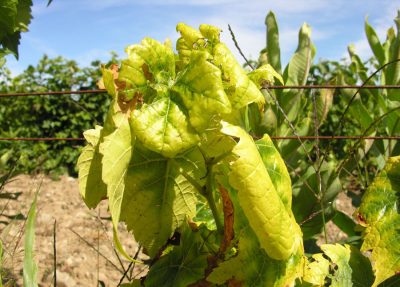 The disease progresses, causing lemon- and cream-colored spots to form between the veins of the leaf blades. Later, older leaves become completely discolored, while new leaves turn bright yellow. Fruits lose their original size and become small.
The disease negatively impacts the frost resistance of grapes. Symptoms are particularly noticeable in spring and early fall. To detect chlorosis, apply iron chelate to the discolored leaf surface. A bright green pattern appearing within 24 hours indicates a positive test result.
Among the grape varieties, the following are most resistant to this disease:
- Cabernet;
- Muscatel;
- Riesling;
- Trolling;
- Limberger;
- Elebing;
- Pinot Noir;
- Pinot Meunier;
- Saint Laurent.
Peach
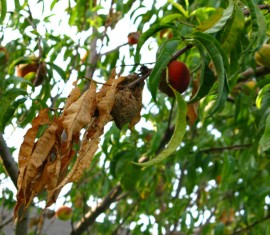
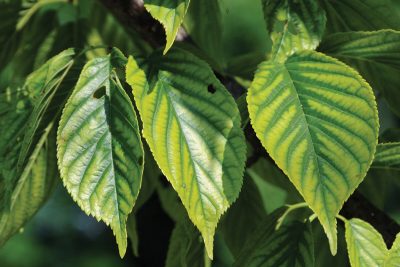 Due to its increased sensitivity to iron deficiency, peach trees often suffer from chlorosis. Initially, the leaves take on a yellowish tint, and after some time, signs of the disease appear on the tree's crown: shoot dieback and premature leaf fall.
Affected plants lose frost resistance and have difficulty forming new shoots. The following season, they develop gummosis: the bark breaks, causing cracks to appear that release a sticky substance. Simultaneously, the peach branches dry out and stop growing new shoots. In this case, remove the glue with a sharp object, clean the affected areas, and treat them with a weak solution of potassium permanganate. Then, seal them with clay or a mixture of clay and potassium permanganate. mullein.
Chlorosis of garden crops
Vegetable crops are also susceptible to chlorosis: if the soil lacks a certain component, plants will show signs of the disease. Timely fertilization significantly reduces the risk of this problem.
Cucumbers
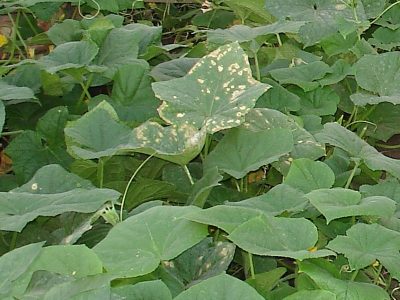 Detecting chlorosis in cucumbers is difficult, as yellowing of the leaves isn't considered a direct sign of the disease. To prevent its occurrence and progression, gardeners add nutritious compost to the soil two weeks before planting and thoroughly moisten it.
Tomatoes
Tomatoes are more susceptible to non-infectious chlorosis than other crops. This is typically caused by excess moisture and mineral deficiencies in the soil. Treatment involves reducing the incidence of glaze, treatment with preparations and application of fertilizers.
Bushes affected by viral chlorosis are dug up, burned, and the soil treated with a disinfectant, such as a fungicide or a potassium permanganate solution. Failure to do so will cause the infection to spread to other plants.
The most effective way to combat chlorosis is timely and competent prevention.
Chlorosis of flowers
All types of garden and indoor flowers are susceptible to this disease. It particularly affects petunias, phlox, roses, azaleas, hydrangeas, ficus, abutilons, and gardenias.
Hydrangeas
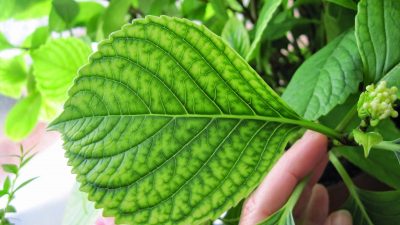 Chlorosis in these flowers is most often caused by iron deficiency. This disruption to metabolic processes causes the leaves to discolor, curl, and die.
Compositions containing missing elements are applied to the roots of plants or sprayed.
Petunias
In petunias, the disease manifests itself as follows:
- yellowing of leaf blades, while the veins remain green;
- decrease in size of leaves, their curling and falling off;
- dying off of the root system;
- drying of the tops;
- flower deformation.
When the first yellowing leaves are noticed, it is recommended to water the petunia with citric acid dissolved in water until it fully recovers. Advanced chlorosis is treated with a solution made of ferrous sulfate, citric acid, and water in a 1:1:2 ratio. Apply the solution to the roots with each watering, avoiding contact with the leaves. Iron deficiency in the soil can be corrected with Ferovit.
Roses
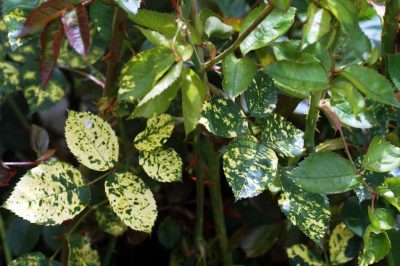
The presence of chlorosis in roses is indicated by yellowing of the leaves and veins standing out against a faded background.
Most often, the disease is caused by the following factors:
- iron deficiency;
- chemical abuse in the past season;
- reduced immunity in plants.
Roses grown in optimal conditions and with a developed root system are quite resistant to chlorosis.
Treatment begins before the beginning of the growing season: the missing nutrient element is added to the prepared soil, as well as humus or mullein. Diseased bushes are no longer fed with nitrogen compounds and are given abundant water.
Effective drugs
Plant recovery is aided by the use of specialized preparations, either applied to the leaves or applied to the roots. The most effective of these are:
- Brexil-Fe;
- "Agricola";
- "Antichlorosis";
- "Antichlorozin";
- Orton Micro-Fe;
- iron chelate;
- Ferovit;
- "Helatin";
- Ferrilene.
When spraying plants, the penetration of beneficial substances into the tissues occurs within 24 hours, when watering - no earlier than 3 days.
Use of folk remedies
Chlorosis can be treated with homemade remedies. To prepare one, you'll need:
- 2 g of copper sulfate;
- 1 liter of water;
- 4 g citric acid.
Add boiling water to the ingredients, stir, and let the solution settle. Then, pour it into a spray bottle and apply it to the affected stems and leaves.
The product must be used within 2 weeks, otherwise it loses its original properties.
To replenish iron, many gardeners bury rusty nails near their growing crops. This method is considered quite effective and helps restore plants quickly. Alternatively, you can use iron scraped from metal objects. rust.
It is possible to replenish some elements top dressing the following substances:
- ash, cinders;
- water used for rinsing cereals;
- onion peel decoction.
The full recovery of the plants will be indicated by the rich green color of the young leaves.
Getting rid of non-infectious chlorosis is easy if you begin treatment immediately after the first signs are detected. However, it's best to adhere to basic agricultural practices and implement timely preventative measures to reduce the risk of disease.