Urea Fertilizer: Why You Need It and How to Use It Properly
No matter how fertile the soil, over time, with constant use and without fertilizer, it will still become depleted. This negatively impacts the harvest. Therefore, sooner or later, the soil needs to be fertilized. Urea – This is a fertilizer with a high concentration of nitrogen, which is essential for plant growth and development. Learn how to use this fertilizer correctly by reading this article.
Content
Composition and characteristics of urea as a fertilizer
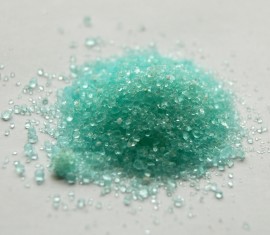
First, let's explain what it is ureaThe fertilizer is produced in the form of round granules, ranging in size from 1 to 4 mm. The granules are white or transparent and odorless.
Compound
A protein metabolism fertilizer with a high nitrogen concentration (46%). It is considered the only mineral fertilizer with these characteristics.
Experts often call urea Carbonic acid diamide. What is urea fertilizer made of? The chemical compound is synthesized from organic matter and has the formula H2N-CO-NH2. In addition to nitrogen, it also contains ammonium.
This fertilizer is a good option for root and foliar feeding of garden and vegetable plants.
Urea is a fertilizer that is part of the structure of some slow-release nitrogen fertilizers.
Physical properties
- Dissolves perfectly in liquid or in soil after watering.
- Affects crops in any form (dissolved and dry).
- For dissolution urea You can also use ethanol, methanol, isopropanol.
- Forms compounds with all substances.
- During storage, the fertilizer does not cake or stick together, and its properties are not lost.
Purposes of using urea fertilizers
Urea is used primarily in agriculture. Urea fertilizer is a nitrogen supplier that can significantly improve soil productivity. Although urea is highly water-soluble, it does not absorb water well. This advantage is valuable because it allows for the storage of large quantities of fertilizer without the risk of it solidifying or hardening. Urea is highly chemically active and is easily absorbed by plants. What other uses does urea have as a fertilizer?
Urea is mainly used at the stages of pre-sowing treatment, rapid growth of green mass in plants.
Benefits and advantages of urea
- By using foliar feeding you can avoid burns on the plant.
- The urea composition is quickly absorbed by those plants that are sensitive to elevated soil pH levels.
- The yield increases several times.
- Urea resists diseases and fights pest infestations.
- Early spring spraying delays flowering, which prevents buds from falling off in the event of recurrent frosts.
- Two days after feeding, the nitrogen concentration increases.
Methods of using urea fertilizer
To get the most benefit from fertilizer, you need to read the instructions for its use. You also need to know what can be treated. urea.
Root feeding
Urea can stimulate foliage and shoot growth, but it also inhibits the formation of ovaries and buds. Therefore, it is recommended to apply urea in the spring during planting and the growing season.
- Fertilize the soil two weeks before sowing seeds, sprinkling urea before digging. This will allow the fertilizer to dissolve and stop gas formation.
- You can add it to the holes used for planting seedlings or saplings. Sprinkle the granular fertilizer with soil to avoid burning the root system.
- Use liquid urea to feed already growing crops.
Fertilizing the soil in the fall is not recommended, as the ammonium carbonate will not be retained until spring. The remaining nitrogen will be absorbed deep into the soil by meltwater. Only crops with long taproots will be able to access it.
In autumn, it is strictly not recommended to fertilize perennial and winter plants.
Foliar feeding
Spray on the leaves during the growing season, as well as when the ovaries fall off or signs of nitrogen deficiency appear.
The fertilizer is dissolved in a bucket of water:
- for garden plants – 50–60 grams;
- for indoor crops – 70–80 grams;
- for garden and berry bushes – 25–30 grams.
Signs of nitrogen deficiency:
- pale or yellowing leaves;
- slow development of shoots;
- the crop produces few ovaries or they fall off;
- the leaves become small and fall off prematurely.
In this case, prepare a spray solution of urea (8-10 g) and water (1 l). Apply the solution on a cloudy day or in the evening or morning. The treatment will be more effective if magnesium sulfate (2-3 g) is added to the solution.
When and why to spray trees with urea in the fall
The processing period depends on the weather.
Trees must be sprayed when the temperature is positive and on a dry day.
Correct dilution of urea when treating garden trees.
- You need dry granules (500–700 g). 500 grams will be enough if the plants haven't been affected by diseases or pests.
- Pour liquid (10 l) into a bucket, add urea.
- Stir the solution until the granules are completely dissolved.
- Strain the solution and pour it into a sprayer. Thoroughly spray the trees and surrounding areas.
Can I use a solution? urea Combine with iron sulfate. Preparation of the composition:
- dissolve ferrous sulfate in water (500 g / 10 l);
- add urea (500 g) and mix the ingredients;
- Pour the filtered solution into a sprayer and carry out the treatment.
Safety rules and precautions for using urea
WITH urea should be handled with care. Special requirements should be applied to the storage location.

When using fertilizer in your personal plot, ensure the following conditions:
- keep out of reach;
- protect your water supply from fertilizer getting into it;
- avoid contact with food;
- Dilute the fertilizer in a ventilated area;
- When preparing the solution, do not use utensils intended for food.
Powdered urea is hazardous to health. When applying foliar fertilizer, wear a mask, do not smoke, and do not drink water. Protect your eyes with safety goggles.
Do not work in windy conditions. If the substance comes into contact with skin or eyes, rinse with plenty of water. Before handling, protect yourself with protective clothing, gloves, and a mask.
Urea poisoning can cause nausea and vomiting, and inhalation can lead to coughing fits and suffocation. It is recommended to thoroughly wash protective clothing after use.
Important points and considerations
When combining urea with other fertilizers, some recommendations should be followed.
- It's important to consider crops' nutrient requirements. A beneficial combination of urea with other effective fertilizers will provide plants with the necessary nutrients.
- When combining urea with different fertilizers, their physical and chemical properties must be taken into account. Some fertilizers may be incompatible with other substances, which can reduce the fertilizer's beneficial properties or, worse, cause crop damage.
Before using urea in combination with other fertilizers, you should first consult with specialists.