Apple tree burns: how to treat the tree and help it recover
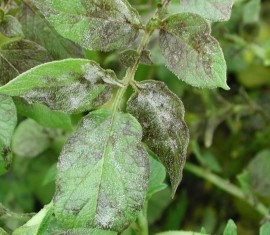
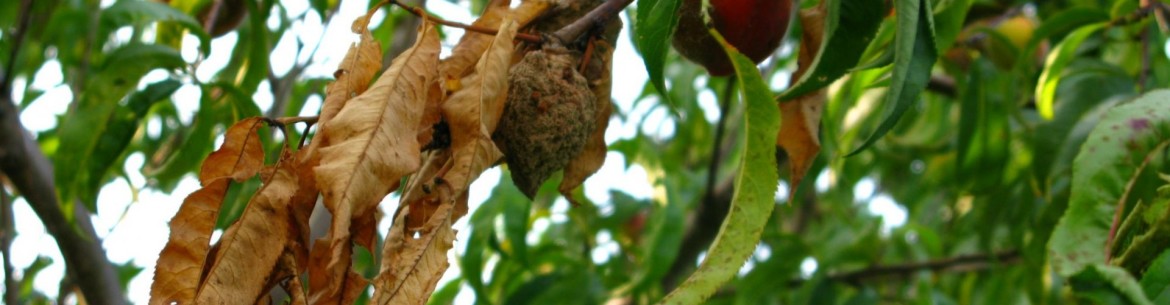
If you've been gardening for a while, you've likely noticed black or dark brown lesions on your fruit trees (especially apple trees). These lesions are visible not only on the leaf blades, but also on the shoots and trunk. These can all be signs of plant blight. Apple trees are most often affected by fire blight (a dangerous infectious disease) and sunburn.
Content
Why do apple trees get burns?
Sunburn and bacterial burns have different origins.
Sunburn
 Sunburn is the most common lesion affecting apple trees. Plants are especially susceptible to it in the spring.
It's in spring that the garden begins to awaken from its winter slumber and adapt to the new warm conditions. However, springtime is treacherous, with the weather constantly changing: warm sunshine can shine during the day, while frosts can suddenly hit at night. These changes lead to plants getting sunburned:
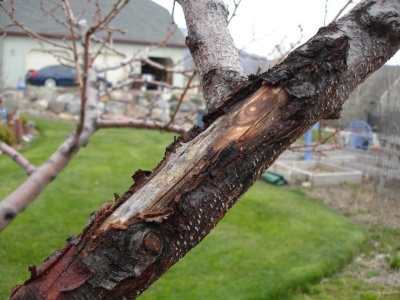
- The apple tree's shoots and trunk warm up during the already lengthening daylight hours. Frosty nights don't hinder this. The snow that hasn't yet melted reflects the sun's rays, providing additional warmth to the trees.
- On the south side, plant tissues begin to slowly awaken, and sap flow activates. The bark warms up to +5…+10°C.
- But at the same time, the shady side of the tree is in an area where the temperature may still be below freezing (sometimes the difference with the sunny side is 15–20 degrees).
- Sunset causes a sharp temperature drop, and all plant tissue that had awakened during the day freezes. This causes the tree to become sunburned.
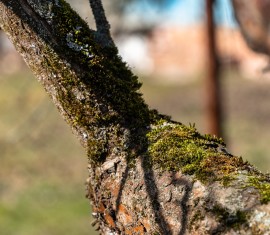
Sunburn causes dark areas, cracks, and bare surfaces to form on the trunk. This exposed wood leads to infection by fungal diseases and insect pests.
Of course, sunburn doesn't affect all plantings. Those at risk are generally young trees recently planted in open ground, as well as apple trees growing in poor soils with low humidity.
It's also worth paying special attention to seedlings that were buried for the winter. They should be planted only in moist soil and watered well, otherwise they may also develop sunburn.
More experienced gardeners advise against over-binding the apple tree's trunk and shoots with film, wire, or other binding materials. This can cause ring-shaped lesions on the trunk bark and disrupt the tree's thermal regime, which will inevitably increase its vulnerability to sun damage.
Fire blight
Fire blight, which appears on the shoots, leaves, and trunk of apple trees, is infectious in origin. Primary infection also begins in the spring, when the plants begin to bloom: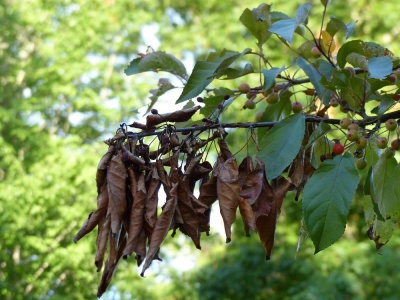
- Harmful bacteria get onto flowers with pollen and exudate particles.
- High humidity (70%) and warm weather (+17…+19 degrees) contribute to the rapid spread of infection in tree tissue.
- After about a year, a viscous exudate will emerge from the formed necrotic ulcers, gradually forming threads. These threads will be carried on air currents to uninfected plants.
The disease can spread throughout the garden with planting and grafting materials, through containers with affected fruits, in the process budding or cuttings, as well as through insect vectors, birds, rain or air currents.
Harmful bacteria penetrate plant tissue through cracks and other damage in the bark.
Distribution mechanism: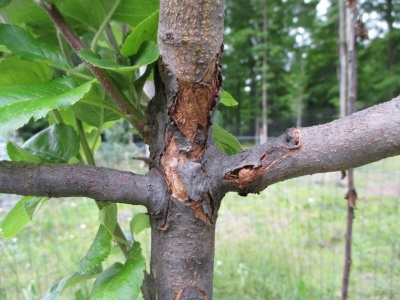
- At first, the infection survives the cold in the vessels of an already diseased plant.
- In the spring, with the onset of sap flow, the infection begins to spread throughout the plant and emerge as a viscous exudate. This continues until autumn.
- With the onset of flowering, bacteria begin to develop even faster.
- Apple pollinating insects, birds and other pests spread the infection throughout the garden.
- The disease penetrates the tissues of other plants in similar ways.
- An additional negative impact is caused by strong winds, which carry the threads of bacterial blight throughout the garden, as well as prolonged rain.
- Along with the symptoms of fire blight on an apple tree, symptoms may appear scabies, fruit rot and erwinia.
Complex treatment of bacterial burns
The most difficult disease to combat is bacterial infection, which leaves burn marks on apple trees. There is a comprehensive disease control system that includes the use of chemicals and folk remedies.
Chemicals
As with human bacterial diseases, infectious plant diseases are treated with antibiotics. There are several effective chemical treatments that can help quickly combat bacterial blight on fruit trees:
- Fitolavin (dissolve approximately 20 ml of the product in 10 liters of clean water, spray the apple trees with the prepared mixture and water the area around the trunk with it);
- "Tetracycline" and "Streptomycin" (work together, mix 3 tablets of "Tetracycline" and 1 ampoule of "Streptomycin" in 5 liters of clean water, spray the plants with the prepared mixture during and after their flowering);
- Ampicillin (1 capsule of the product is diluted in a bucket of water, the mixture is sprayed on trees at all stages of vegetation);
- Gentamicin (mix 1 capsule with 1 liter of water, then soak a garden bandage in the mixture and wrap it around all cleaned areas with damaged bark and/or exudate secretions);
- Ofloxacin (You can prepare a mixture for compresses by dissolving 1 tablet of the preparation in a liter of water, or a solution for spraying by dissolving 2 tablets in a bucket of water).
It's best to alternate the use of antibiotics and fungicides. This technique will help prevent addiction and make treatment more effective.
Very advanced cases of infection will need to be treated with antibiotic injections.
Folk recipes
Unfortunately, it's impossible to cure fire blight on apple trees using folk remedies alone. However, you can use them as adjunctive treatment or preventative measures.
Popular drugs:
- Boric acidAn excellent product that helps create an acidic environment that's detrimental to harmful bacteria and boosts the plant's overall immunity. Dissolve 10 g of the product in 10 liters of clean water and spray the apple tree with the mixture.
- Succinic acidAnother way to create an acidic environment is to mix 10 tablets with 10 liters of water and spray the trees with the mixture.
- Ash solutionHelps saturate plants with phosphorus and potassium, boosting their immunity. Mix 210 g of ash with 10 liters of clean water. Let the solution sit for a while, then strain and spray the plants.
- Yeast solutionYeast helps stimulate plant growth and suppress harmful microorganisms. Mix 10 g of dry yeast, 2 tablespoons of sugar, and 10 liters of warm water. Let the mixture sit for 2 hours. Then, apply it to the apple tree.
Biopreparations
Another category of products that helps combat apple tree bacteriosis are biological products. Sterile plants are usually weaker and are easily susceptible to new diseases, preventing them from recovering from old ones (especially after antibiotic treatment).
The only way out is to populate the plant and the soil beneath it with beneficial flora, i.e., use biological methods to combat infection.
Popular immune biostimulants:
- Stimix ConcentrateAn antidote and immune booster, suitable for combating bacterial infections of various etiologies. Simply dilute 100 ml of the preparation in 10 liters of clean water and water the plants immediately after harvesting.
- "Stimic Standard"A similar product to the first one, but with a lower concentration of active ingredients. Dilute 50 ml of the product in 10 liters of water and spray the trees on the foliage. Repeat the procedure seven times per season (spray every 14 days).
- Baikal EM-1. Immunostimulant and antidote. Dissolve 10 ml of the product in 10 liters of water and spray on apple trees. Repeat the procedure three times per season.
How to treat sunburn on an apple tree
If your apple tree has already suffered sunburn, before treating it, you need to remove the damaged pieces of bark. This is fairly easy to do in the spring: use a sharp pruning knife to scrape off the bark, then sand the damaged area down to healthy wood. Be sure to treat the cleaned area and tools with an antiseptic afterward.
Copper sulfate can be used as an antiseptic (1% - 100 g of the preparation per 10 liters of water).
After all manipulations, the damaged area should be lubricated. garden pitch and tie it with dark film or regular burlap.
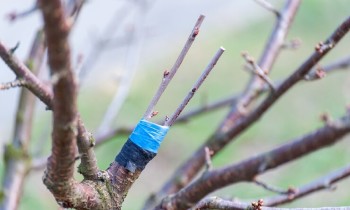
Only after all the above manipulations can one proceed to treatment, namely vaccination:
- If the bark on the trunk has been severely damaged, it is best to use the bridge grafting technique.
- If the tree that has been burned has wild shoots growing at the roots, then these should be used as grafts.
- When grafting, try to work slightly above the damaged area. If there's a root shoot below the wound, it's also a good place to create a bridge.
- As soon as the graft takes root, life-giving sap will begin to flow through it to other parts of the plant, so the tree will be saved and the burn will heal.
Prevention
The occurrence of sunburn and bacterial burns can be prevented by following certain rules.
Prevention of fire blight |
Key recommendations:
|
Preventing sunburn |
Key recommendations:
|
Conclusion
Apple tree burn is a serious problem. At best, it's caused by sun exposure, and at worst, by an infectious disease (bacteriosis). While both problems can be treated, treatment methods must be chosen carefully, especially when dealing with fire blight. Treat the plant comprehensively, remembering preventative measures and proper care.