Protecting the Garden: Mulching Apple and Other Fruit Trees
Mulching can improve soil quality and maintain its composition. When applied correctly, it protects the soil from the harmful effects of sunlight and retains moisture. This inexpensive and easy-to-implement agricultural technique can significantly increase the yield of fruit trees.
Content
What is meant by soil mulching and why is it necessary for apple trees and other fruit trees?
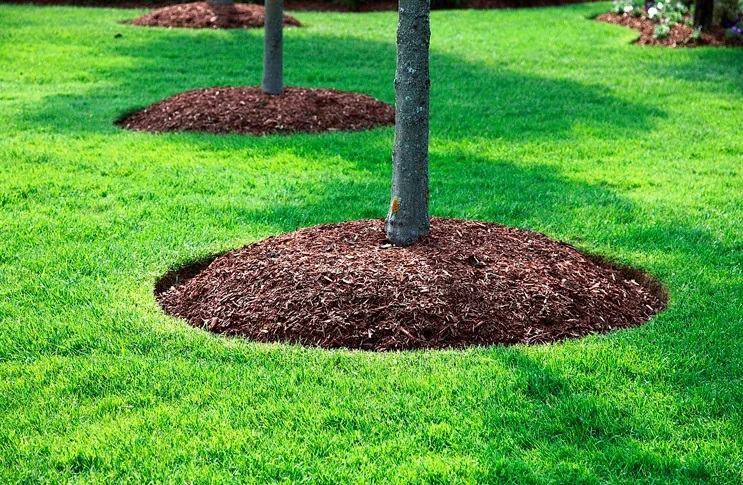
Mulching is a gardening practice that involves laying a protective layer on the soil surface. It protects fruit trees from drying out and disrupting the air and water balance in the root system.
Mulching is necessary for:
- reducing the amount of watering;
- protection of the root system;
- preservation and increase of nutrients in the soil;
- freedom from tedious weeding by stopping the growth of annual weeds;
- increasing crop yields;
- regulation of soil acidity;
- prevention of soil erosion;
- preventing freezing;
- prevention of the appearance of insect pests.
Mulch is an excellent source of carbon dioxide for apple and other fruit trees.
In what cases should the procedure be abandoned?
 If mulching is not carried out correctly, it can turn a beneficial measure into a harmful one. However, there are other reasons why this agricultural practice may be contraindicated.
If there are moles or mice on your propertyThe layer of covering material will become not only a home for them but also a source of food. The former damage the root system of fruit trees, while the latter gnaw at the bark when cold weather sets in.
Organic mulch is a great habitat earthwormsOn the one hand, they improve the soil condition, but on the other, they attract birds that will be happy to feast on ripening berries and fruits.
Mulching is intended to improve the health of your garden's fruit trees. Therefore, if the damage caused outweighs the expected benefits, it's best to discontinue the process until all contributing factors are eliminated.
Sources of mulch material
Mulch material is selected based on the intended purpose. Its variety can satisfy the most discerning tastes and needs of any gardener. Mulching materials are widely available and quite affordable.
- Some can even be found in your own garden. For example, mown grass, which is ideal for covering the trunks of fruit trees.
- Another available material is – newsprintIt is recommended to use it in combination with other types of mulch, as it has drying properties on its own.
- The forest can also provide excellent mulching material. Needles and bark of coniferous trees, As well as fallen leaf litter, these materials are not only readily available to any gardener but also help improve soil structure, increasing drainage and air exchange. Compost has similar properties. It also provides the soil with nutrients.
- Work effectively in the garden straw and hayTheir only drawback is that they can become a source of weed spreading, as they can retain their weeds for a long time. seedsAnother source of mulch is a lake, river, or sea. You can always collect seaweed there, which is also an alternative material.
Before choosing a particular type of mulch, you should decide what result you expect from it.
The best types of mulching
The trunk circle of an apple tree or any other fruit tree is mulched using materials that can be divided into two categories:
- organic;
- inorganic.
Most often, materials of organic origin are used in gardens. These include:
- NeedlesSuitable for low-acid soils. The needles also protect the trunks from winter rodent attacks. However, the high resin content can negatively impact soil processes.
- Wood sawdust and shavingsThey acidify the soil well and help retain snow. It's recommended to mix with sand before use to avoid blocking nitrogen from reaching the root system.
- HayImproves soil structure by enriching it with carbon and stimulating soil microbial activity. When applying this type of mulch, remember that its layer should not exceed a couple of centimeters. Otherwise, it turns into a slimy mass that can burn tree roots.
- NettleThe shredded plant enriches fruit trees with potassium and nitrogen, repels slugs and snails, and suppresses pathogens. This type of mulch decomposes quickly.
- Straw. Highly nutritious material that is quickly converted into humusIt prevents the soil from becoming overwatered and enriches it with nutrients. It repels slugs and snails, but is favored by small rodents. With the arrival of spring, straw should be removed from the area as quickly as possible, as it prevents the soil from warming up.
- Paper and cardboardIt is used in tandem with fresh grass. This material is laid out as the bottom layer.
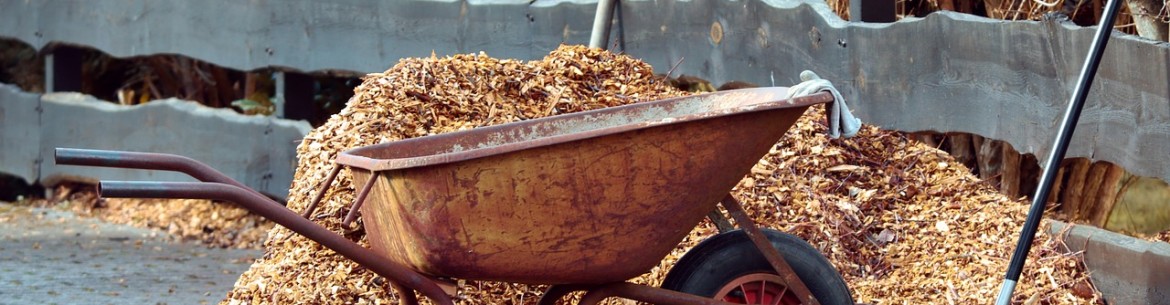
- Wood chipsIt is used in combination with compost, for which it serves as a covering material. It has a long shelf life and prevents slug breeding. In winter, it protects the root system from freezing. The only drawback is that it draws nitrogen from the soil during decomposition.
- PeatIt retains soil moisture and insulates roots. When decomposed, it turns into humus. However, using peat is strictly prohibited during dry summers. When exposed to sunlight, it forms a dense crust, blocking airflow and contributing to excessive heating of the root system.
- CompostImproves soil structure, ensures water drainage, and enriches it with nutrients. It's perhaps the only type of mulch that hasn't been found to have any drawbacks to date.
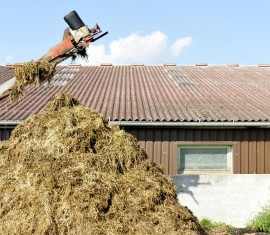
- ManureWhen rotted, it saturates the soil with significant amounts of nitrogen. It is characterized by a high decomposition rate.
- Pine nut shellsThis lightweight, attractive, and durable material makes the soil more loose and retains its properties for up to 5 years.
The thickness of the mulch layer directly depends on its characteristics.
 If necessary, organic mulch in the garden can be replaced with inorganic materials. These include:
- PolyethyleneA film made of this material prevents weed growth and retains soil moisture. Dark-colored polyethylene promotes faster soil warming. On hot days, it creates a greenhouse effect on the surface. The downsides include interfering with fertilizing and encouraging slug breeding.
- AgrotextilesIt has excellent ventilation properties, allows moisture to pass through, and prevents the soil from overheating. It complicates the process of fertilizing.
- PebblesIt controls humidity levels, allows excellent air permeability, stores heat, and has excellent decorative properties. Its downside is that it's prone to weed infestation.
- SackclothPrevents soil overheating, allows excellent moisture and oxygen permeability, and inhibits weed growth.
Fallen leaves from fruit trees are not suitable as mulch. They often contain spores of harmful fungi. Such material will certainly become a source of infection.
Some gardeners recommend using roofing felt as mulch. However, this material is completely unsuitable for fruit trees. It doesn't allow air to pass through, emits an unpleasant odor, and melts in the heat.
How to properly mulch trees
Regardless of the type of material chosen, the mulching process itself must meet a number of requirements. To properly perform this agricultural procedure, it is necessary:
- Never mulch trees after rain or glaze.
- Do not compact the material used. It should lie in a smooth, loose layer, and the thickness should depend on the type.
- Before mulching, the soil must be loosened and weeds removed.
- In summer it is recommended to use only green and dry material.
- The thickness of the mown grass mulch in the tree trunk circle should not be less than 5 cm, and it can only be laid out in dry weather in order to avoid the development of pathogenic bacteria.
- Pig manure and bird droppings are not used as mulch.
- Never place the material close to the trunk of a fruit tree. The minimum distance from the trunk should be 10 cm.
The higher the fertility of the soil, the faster the organic material used will turn into humus.
When applying mulch, it is necessary to strive for a variety of its species composition in order to ensure the full range of positive effects on fruit trees.