Fertilizing apple trees in the fall after harvest: timing, techniques, and fertilization schedule
Fertilizing in the fall is an important part of comprehensive apple orchard care. This procedure increases the ability to set buds for the following season and strengthens the trees' immune systems, allowing them to survive the winter with ease.
Content
The purpose of autumn feeding
During the fruiting season, apple trees expend a great deal of energy, intensively consuming stored nutrients. Therefore, the soil balance must be periodically replenished. Fertilizing in the fall is a necessary procedure for preparing fruit crops for winter. Primarily, fertilizers applied to the soil strengthen the root system and immune system. This has a beneficial effect on the winter hardiness of trees, especially young specimens. Fertilized apple trees will easily tolerate low temperatures and will also be resistant to various diseases.
Furthermore, proper autumn fertilization will ensure a high yield next season. This procedure helps young trees adapt more quickly to new growing conditions.
Signs of nutritional deficiency in trees
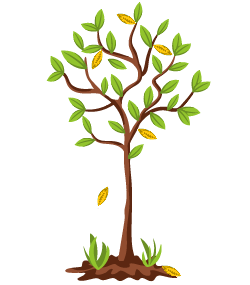
The following symptoms indicate a deficiency of nutrients:
- loss of rich green color;
- the appearance of brown and yellow spots on leaf blades;
- premature leaf fall;
- slow growth.
If you notice any of the above signs, you must immediately feed the tree; otherwise, due to its low immunity, it will not be able to survive the winter and will most likely die.
Types of fertilizers
 All fertilizers used as top dressing for apple trees are divided into three groups:
- mineral;
- organic;
- complex.
You can also use folk remedies for this purpose:
- bone meal – nourishes the soil with magnesium, phosphorus and calcium, and also promotes its decomposition;
- yeast composition - stimulates growth and development (especially useful for young trees), activates vital processes.
Minerals
 Balanced mineral supplements are an excellent fertilizer for mature garden crops during the fruiting period. The most common ones are:
- potassium (potassium sulfate, potassium salts) - relevant in case of premature fruit drop, have a beneficial effect on their size and taste;
- phosphorus (double and simple superphosphates) – used in preparation for fruiting, as well as to strengthen the root system and increase the shelf life of apples;
- Complex – universal preparations that include all the necessary elements to help the apple tree successfully survive the winter (except nitrogen).
Despite the high performance of complex preparations, their use in relation to weakened and diseased trees is recommended in combination with a mono-fertilizer.
For example, apple trees with dark and prematurely falling leaves, as well as with irregularly shaped fruits, should be treated with a boric acid solution in the fall.
Organic
These fertilizers are natural in origin and contain all the necessary micronutrients for fruit trees. In the fall, apple trees will need the following types of organic fertilizer:
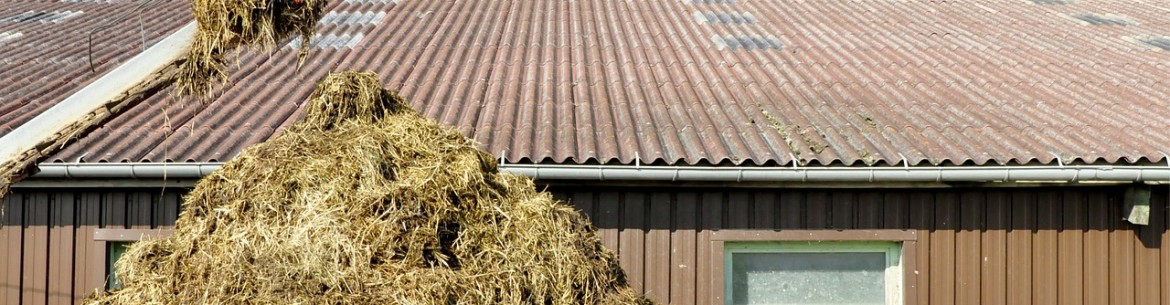
- rotted manure;
- mulch – compost, crushed tree bark, peat, humus, ash and pine needles;
- Dolomite flour, chalk or lime are especially relevant for soils with high acidity.
It is not recommended to use chicken manure, cow dung, and liquid manure, which contain nitrogen, as autumn fertilizer for apple trees, otherwise their application will significantly reduce the yield in the following season.
Besides, it is impossible in autumn mulch The tree trunk circle should be covered with straw and wood shavings, which inhibit nitrogen absorption by trees and attract small rodents and insect larvae. Annual application of organic fertilizers is highly undesirable due to their slow decomposition. Experts recommend using organic fertilizers no more than once every four years.
Timing of autumn feeding
Fertilizer application can begin immediately after harvesting or a little later, but two to three weeks before the first frost. This means it's acceptable to feed the apple tree already starting from the second half August.
When deciding on the timing, it is important to remember that the fertilizer must have time to reach the still warm soil.
For this reason, in the northern regions of the Russian Federation this event is held from mid-August, and in the southern regions – in October.
Preparing trees for fertilizing
 Before applying fertilizers, several preparatory procedures must be carried out. First of all, tree inspection for the presence of such organisms as lichen and mossThey are removed very carefully, first laying a film on the ground in the trunk circle, and then treating the fruit crop with copper sulfate. Also pay attention to the presence harmful insects, nesting inside old bark. If pests are discovered, they are removed along with the bark by burning it outside the garden plot.
Another mandatory procedure when preparing the garden for winter is sanitary pruningBroken, dry and diseased branches are removed, and the cut areas are treated. garden pitchThis preparation is also used to cover up defects found on trees: damage, hollows, etc.
Important autumn events include: protecting apple trees from fungal microorganismsFor this purpose, tree trunks treated with an antiseptic, and then whitened.
Whitewashing will prevent damage to the bark from pests, rodents, and also from sun rays reflected by the snow, which can cause severe damage. burn.
Soil preparation includes watering, digging and weed controlLoosening should be done very carefully to avoid damaging the root system. Additionally, around the tree pour out a layer of mulch: in winter it will protect the soil from freezing, and in spring it will act as a fertilizer.
Fertilizer application techniques
After completing the preparatory work, gardeners begin applying fertilizer. To ensure good bud formation for next year, it is recommended In August, feed the apple trees with a mineral composition - superphosphateDissolve 150 g of the preparation in 10 liters of water and spray it on the leaves. If for any reason this method is not possible, the fertilizer is applied to the soil.
Tree trunk method
The algorithm for this most common method of feeding is as follows:
- generously water the soil inside the tree trunk circle so that concentrated preparations do not burn the roots;
- distribute fertilizers evenly;
- dig to a depth of 15 to 20 cm;
- again water water;
- lay a layer of mulch made from wood chips, straw or peat.
The manure used as fertilizer must be well rotted.
Two buckets are placed under one apple tree. manure.
When using the trunk method, you need to follow a number of rules:
- Carefully dig up the soil around columnar apple tree varieties due to the close proximity of their root system to the surface; the optimal loosening depth is no more than 10 cm;
- young trees should be fed simultaneously with watering, using preparations diluted in water;
- When determining the boundaries of the tree trunk circle, focus on the width of the crown.
There's another method of near-trunk fertilization. It involves creating a 20-cm-deep furrow, adding fertilizer, mixing it with the soil, and then digging it in. These pits should be located 60 cm from the tree trunk.
Formation of holes
In addition to the tree-trunk fertilization method, many gardeners use another technique. It involves digging holes no more than 20 cm deep, 50 cm from the trunk, around the perimeter of the tree's crown. Half of the fertilizer is placed in the holes, then the remaining fertilizer is dug and spread over the top layer. Finally, the process is completed by watering and mulching.
The advantage of fertilizing using holes is the ability to gradually supply macro- and micronutrients to the roots of the apple tree.
Foliar feeding
At the end of August, apple trees are sprayed, for this purpose they use:
- Copper sulfate. Suitable not only for fertilizing but also for treating trees against pests.
- Ferrous sulfate. Effectively destroys lichens, moss and fungal spores on the bark.
Fertilizer application schedule
The sequence of autumn care for an apple orchard is as follows:
- Late August – early SeptemberInspect the condition of the trees, remove lichen and moss, and spray foliar fertilizers, such as superphosphate solution.
- Late September – early OctoberFertilizing fruit crops through the root system. During this period, organic matter (peat and manure) or mineral fertilizers (potassium salt, superphosphates) are used.
- Mid-October. Top dressing with liquid manure, laying out mulch.
Factors to consider when fertilizing
When choosing the type of fertilizer, as well as determining its quantity and application method, it is necessary to take into account a number of factors:
- age of fruit crop;
- variety;
- degree of development of the root system.
When there is an excess of minerals, the tree shoots begin to grow intensively, which significantly reduces the winter hardiness of the bark, leading to freezing.
Age dependence
Care for apple trees of different ages varies. Fertilizers that are beneficial for fruit-bearing trees 5–8 years old can be harmful to young trees. Young apple trees that have never produced fruit require lower concentrations or even different types of fertilizer.
It is unacceptable to use dry preparations on young trees, as they can burn their root system.
Furthermore, solutions should be used with extreme caution and a 50/50 ratio should be used when preparing them. For example, a two-year-old apple tree will require 200 g of superphosphate, while a mature tree will require at least 500 g. As for humus or manure, 10–15 kg of compost under the trunk of each young tree is sufficient, while a mature tree will require 50–60 kg.
Although young apple trees respond well to mineral fertilizers (such as potassium), organic fertilizers are preferred. For example, ash or yeast infusion applied in the fall not only helps the trees survive the winter but also accelerates their development in spring.
When fertilizing young apple trees, it is not necessary to use the hole method due to the high risk of damaging the root system.
Dependence on variety
When choosing a fertilizer, consider the apple tree variety: the height of the tree, the location of the root system and the growth of branches.
For low-growing and dwarf fruit crops, the usual dosage is reduced by approximately 30%.
The close proximity of columnar apple trees' roots to the surface makes it impossible to use standard fertilizer application techniques. For this reason, liquid fertilizers are preferred. It's also acceptable to scatter dry mixtures near the trees, mix them with the topsoil, and thoroughly water them.
After performing this type of feeding, the soil around the trunk must be mulched to retain moisture and heat.
Common mistakes gardeners make
 There are several common mistakes made when applying fertilizer:
- non-compliance with dosage;
- abuse of nitrogenous components, the excess of which causes harm to the crown;
- fertilizing during daylight hours, which causes tree burns;
- Excessive application of potassium, which prevents apple trees from absorbing phosphorus and magnesium.
Proper fertilization requires careful selection of products and adherence to the recommended application rates and timing. Only then will trees be healthy and bear fruit abundantly.
Autumn preventative measures and fertilization will increase the likelihood that apple trees will survive even the harshest winter and produce a large, high-quality harvest during the fruiting period.