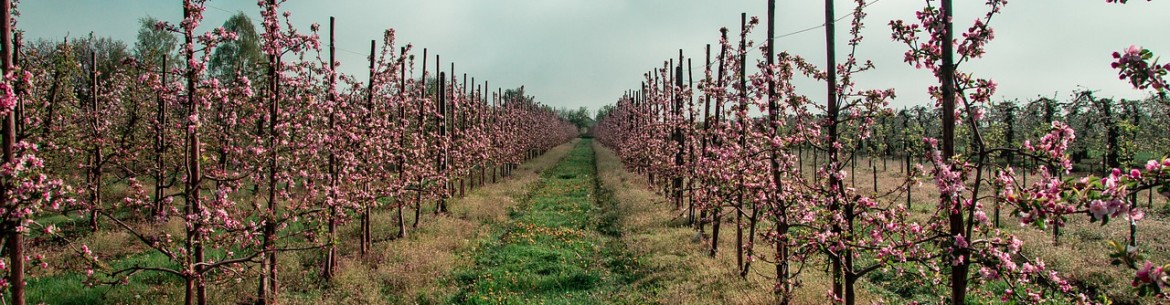
Garden treatment with urea: rules for spraying trees and shrubs in the spring for nutrition and pest control
Urea – a long-standing and beloved remedy among gardeners. A solution of this substance is considered by many to be indispensable for the prevention and treatment of plant diseases. How and for what purposes is the solution used? urea in gardening, this article tells the reader.
Content
- What is urea and how does it work?
- Urea as a fertilizer for the garden
- Urea for treating diseases and killing pests
- Advantages and disadvantages of the drug
- When the treatment is carried out
- How to prepare a solution
- General recommendations before spraying
- Processing of fruit trees
- Treatment of other plants in the garden
What is urea and how does it work?
Urea (urea) – a nitrogen fertilizer produced in white or yellow granules. Odorless and easily soluble in water, it begins to act quickly and has a prolonged effect. It is used to combat plant diseases and insect pests. It is also used as a soil amendment in cases of nitrogen deficiency, where it activates the reaction between bacteria and soil enzymes.
Urea as a fertilizer for the garden
Urea It is used to feed various crops: ornamental, vegetable, and fruit. Nitrogen application affects the rate of fruit growth. When applied to the soil, the compound reacts with soil bacteria to form ammonium carbonate, which is easily absorbed by plant roots and replenishes nitrogen reserves.
Lack of nitrogen leads to slower tree growth and smaller fruits.
A urea-based solution is also used to treat orchards against diseases and pests, both for prevention and treatment.
Urea for treating diseases and killing pests
Insect pests cause many problems in orchards, and getting rid of them isn't easy. Therefore, experienced gardeners recommend regularly performing preventative tree treatments to prevent the spread of pests. Apple trees are most often attacked by aphids, weevils, blossom beetles, and nematodes. To combat these pests, gardeners spray with a solution. urea.
Aphid
 To combat aphids, weevils, and apple blossom beetles, spray the garden in the spring with a urea solution, using 500–700 g of the solution per bucket of water. The final application rate is 2.5 liters per 10 square meters.
To prepare autumn preventative treatment, prepare a solution of 700 g of urea with the addition of 50 g of copper sulfate per 10 liters of water.
Nematodes
To prevent root-eating nematodes from infesting the garden, apply urea prophylactically to the soil during autumn digging of tree trunks at a rate of 100 g of powder per square meter. If the area is infested by these pests, destroy all affected plants, and treat the soil with a urea solution at a rate of 200 g of the substance per square meter.
During autumn treatment, not only the trunk and crown of the tree are sprayed, but also the leaves that have fallen to the ground.
Diseases
Urea solution is effective in treating such diseases of fruit trees as scab, purple spot and monilial burnMost often, apple trees are affected by a pathogenic fungus – scab, which actively develops on bark, shoots, and fruits. Therefore, in the fall, it is recommended to carry out a comprehensive series of measures aimed at destroying the spores of this fungus.
If, despite the measures taken, apple trees become infected, immediate treatment is recommended. For this purpose, use fungicides or a urea solution prepared at a rate of 1 tablespoon of powder per bucket of water. A second treatment is carried out one week after the first. Such foliar treatments not only help destroy the sources of infection but also simultaneously boost the plant's immunity.
Advantages and disadvantages of the drug
Urea is one of the most popular nitrogen-containing fertilizers. Along with its high efficiency and affordability, this fertilizer offers a number of other advantages.
Benefits of use:
- provides a long-lasting positive effect;
- dissolves well in water;
- quickly absorbed by crops;
- acidifies the soil much less than other similar preparations;
- suitable for use on sandy and sandy loam soils;
- reduces the likelihood of flower shedding due to spring frosts;
- helps to achieve high yield results, improving the quality of grown products;
- It is ideal for foliar feeding, as it does not cause burning of leaf blades even if the dosage is incorrectly selected;
- helps fight garden pests and pathogens;
- shows high efficiency on waterlogged soils.
Disadvantages of use:
- decreased seed germination with increased concentration of the substance in the soil;
- cannot be mixed with other fertilizers;
- the release of gaseous ammonia, which can damage young shoots;
- the property of being weathered in the open air.
When the treatment is carried out
The first mandatory garden treatment is carried out in early spring, before bud break, at temperatures above 5°C. This treatment is especially recommended if pest activity was high last season. For this purpose, prepare a solution of 500–700 g of urea per bucket of water.
At the end of autumn, when the harvest has been gathered and the leaves have fallen, a sanitary treatment is carried out to kill pest larvae hiding in bark cracks or leaf litter. To prepare the solution, dissolve 500 g of urea in 10 liters of water.
During autumn garden treatment, not only the trees are sprayed, but also the soil surface beneath them.
A solution of the same concentration is used in the summer at the first signs of apple trees being affected by fungal infections or harmful insects. After treatment urea The infectious agents lose their ability to reproduce and no longer spread.
Spring treatment with urea
Spring treatment of the garden with a urea solution is carried out three times:
- at the beginning of March, before the buds open – as a preventative measure against diseases and pests (600 g of powder per 10 l of water);
- during the flowering period – to saturate the plant with nitrogen, which is necessary for the successful course of the growing season (500 g of urea per bucket of water);
- by the ovaries (in the previous concentration).
Autumn garden cultivation
Spraying of orchards with a urea solution is carried out in late autumn as part of a complex of measures aimed at preparing trees for winter after removing fallen leaves, pruning and processing the trunk.
In this case, a solution prepared at the rate of 0.5 kg of urea per bucket of water is used.
How to prepare a solution
Urea granules dissolve readily in water. To speed up this process, it is recommended to use hot water, approximately 80°C. Pour the required amount of powder into a container, add water to half the volume, and stir until the granules are completely dissolved. Filter the resulting solution and pour it into the sprayer tank.
General recommendations before spraying
Treatment with the product will be more effective if the garden is properly prepared for the procedure. For example, all fallen leaves and broken branches are removed and removed from the site in the fall, rather than left to rot over the winter.
If the plants have been damaged by any disease or pest, the tree trunk area is cleaned especially thoroughly.
In late autumn, apple trees are pruned, loose bark is removed, and traces of lichen and moss are cleared. In early spring, the tree trunks are dug up, after which the first preventative treatment begins.
Processing of fruit trees
Treatment of fruit trees with a urea solution is aimed at:
- prevention of fungal diseases and pest infestations;
- saturation of the plant with nitrogen.
Depending on the intended goals, treatments are carried out at different times. For example, apple trees are sprayed in early spring and late fall to prevent diseases. To improve crop quality, foliar application is carried out. top dressing by green leaves and ovaries in late spring – early summer.
The concentration of a solution is determined by its intended use. Prophylactic and therapeutic solutions are more concentrated than nutrient solutions.
Treatment of other plants in the garden
In addition to fruit trees, urea is used to treat berry and ornamental shrubs. The solution is used both as a fertilizer and for disease control. Solutions of varying concentrations are used for fertilizing fruit shrubs:
- for strawberries, currants, blackberries and strawberries – 20–30 g per 10 l of water;
- for gooseberries - 10 g per bucket of water.
Treatment should be carried out in the morning or evening hours during dry weather. Treatment is not recommended during periods of precipitation.
It's no wonder that urea is considered the most popular plant fertilizer, as it's one of the most effective and safe. However, despite its versatility and effectiveness, urea is no substitute for essential orchard maintenance.