Where to put fallen apples at the dacha: all about the wise use of fallen fruit
Content
What is carrion?
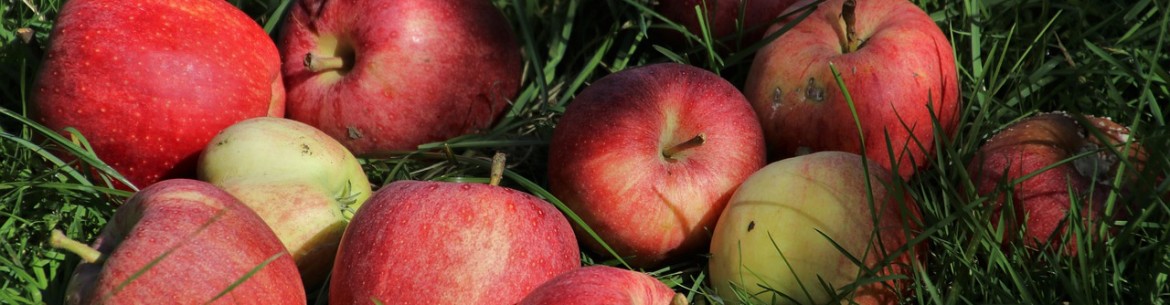
Volunteer fruit is fruit that has fallen from the tree due to wind, bad weather, disease, or the onset of technical maturity. When falling, apples are damaged when they hit the ground and store very poorly. However, healthy fruit can be consumed immediately or stored. processing.
What to do with fallen fruit
Leaving them on the ground to rot, as most gardeners do, is not recommended. Collected fallen apples must be sorted. If you have livestock, you can give the fallen fruit to them if you don't want to bother with healthy fruit, or you can use the fruit for processing.
Should fallen apples be removed?
 It is necessary to collect fallen apples from under the tree to keep the area healthy and avoid creating sources of infection.
Can I put it in compost?
Substandard fallen fruit can be disposed of in a compost heap, neutralizing the increased acidity with ash or dolomite flour.
Can I leave it under an apple tree?
Fallen fruit can become infected and become a source of infection for other apples and the tree as a whole. Apples often fall due to the active actions of a pest, the codling moth, which returns to the tree to "finish off" the healthy fruit. Ripe apples are often damaged when they fall and easily become a source of infection and disease. Therefore, leaving them under the apple tree is highly undesirable.
Can I bury it in the garden beds?
You can also use apples as the base for a warm bed or simply bury them in the ground in a remote area of the plot. To prevent fruit flies, cover the layers with 10–15 cm of soil.
Windfall apples: using them as fertilizer
Windfall apples can be used as organic fertilizer. They provide an excellent breeding ground for beneficial microorganisms, enriching the soil with decay products. This increases the fertile soil layer and improves soil looseness. soil It retains moisture better. However, to turn fallen fruit into fertilizer, it needs to be processed wisely.
For berry bushes
Gooseberries, currants, and raspberries respond well to apple fall fertilizer. To fertilize the plants, make a furrow along the rows or around the bush, sprinkle in chopped apples, then cover with a layer. humus and a 15–17 cm layer of soil to prevent attracting flies and wasps. The top layer can be mulched with sawdust, grass clippings, or bark.
For fruit trees
Before using fallen apples for fertilizer, they must be sorted. Avoid fruit that is diseased, wormy, or shows signs of rot, as these can trigger disease outbreaks in the trees. Calibrated apples are chopped with a hoe or shovel and buried in the tree trunk circle to a depth of 15 cm and no closer than 10 cm from the trunk itself.
Which plants love fallen apples?
Viburnum, hawthorn, rowan, magnolia, and heathers, such as rhododendron, respond well to fertilization with fallen apples. Conifers also respond well to apples.
You shouldn't use apples under cherry or plum trees - the trees don't like acidic soil, and apples make the soil very acidic when they decompose.
Fallen apples: what to cook with them
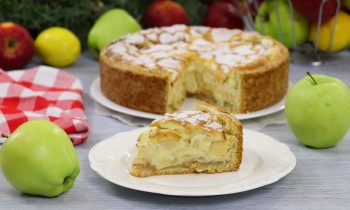
 Not all fallen apples are unmarketable. Some fallen apples are of good quality and taste. They can be processed – used in baking, juiced, made into homemade wine, preserves, marmalade, and fruit leather. dry or freeze.
Unripe fallen apples are sliced and dried in partial shade. Summer varieties are used to make compotes, jams, and freshly squeezed juice. Autumn varieties are excellent in baked goods and compotes. Winter varieties are ideal for making purees and marmalades.
Jam
The firmest, ripest apples are best for jam. It's best to peel them or wash them thoroughly before processing. Then, slice the apples, removing the cores first, cover them with sugar, and let them soak for 12 hours. Use a 1:1 ratio of sugar. Stir the mixture. If there's not enough juice, add a glass of water and bring to a boil. Then simmer for 20 minutes over low heat. After cooling, repeat the process up to 4 times.
Jam
Jam is best made with slightly unripe apples, which contain a high amount of pectin, which helps achieve the desired consistency. For every 1 kg of apples, use 0.5 kg of sugar. Wash, peel, and sprinkle with sugar. Instead of discarding the peels, add a glass of water and simmer over low heat for 10 minutes. Cool and strain the resulting liquid, then pour it over the sugar-sprinkled apples and simmer until soft. Stir the mixture, reduce the heat, and reduce the volume by about half.
Confiture
Jam is best made from overripe fruit. Use 1 kg of sugar per 1 kg of fruit. Wash the apples, peel and core them, and cut into random wedges. Sprinkle with 200 g of sugar and add 200 ml of water. Cook the mixture for 15 minutes after boiling over low heat, then add the remaining sugar a little at a time and bring to a boil again. Let the mixture cool for 4-5 hours, then blend, reserving any remaining pulp. Bring to a boil, cook for 10 minutes, and pour into sterile containers.
Jam
To make jam, use 800 g of sugar and 200 ml of water per 1 kg of apples. Wash the apples, cut them in half, and boil until soft, then add the sugar and mix thoroughly. Cook the mixture until thickened and pour into sterile containers.
Puree
For 3 kg of apples, use 300 g of sugar and 300 ml of water. Spices, such as cinnamon, can be added if desired. Peel, wash, core, and cut the apples into small pieces. Boil in boiling water for 15–20 minutes until softened. Cool the mixture and blend, adding sugar and spices a little at a time. Then boil for 5–7 minutes, stirring constantly. Pour the hot puree into sterilized jars.
Marmalade
To make marmalade, use 300 g of sugar and 200 ml of water per 1 kg of apples. Wash the apples, remove the cores, and cut into small pieces without peeling them. Sprinkle with sugar and bring to a boil. Cook for 10-15 minutes, stirring constantly. Pour the cooked apples into a colander and let sit for 2-3 hours. The thick mixture can be used for pie filling, and the drained liquid can be used for marmalade. Place it over low heat and reduce to about half its original volume. Preheat the oven to 70 degrees Celsius, line a baking sheet with parchment paper, and pour the liquid onto it. Place the baking sheet in the oven for approximately 6-7 hours. The finished marmalade will easily separate from the parchment paper.
So, fallen apples aren't always "substandard." They can be processed, used as fertilizer, or composted, returning beneficial micronutrients to the soil. It's important to remember that only healthy fruits can be used as fertilizer directly for plants, while fruits showing signs of disease should be discarded. recycle for compost.