When to store Antonovka apples: tips for harvesting apples
Antonovka is rightfully considered one of the most popular apple varieties among gardeners. Its consistent yield and low maintenance have made it a regular fixture in Russian orchards. It's important to know how and when to harvest the fruit, as well as how to store it properly for long periods of time, to maximize its benefits.
Content
How to determine the ripeness of Antonovka
During the harvest preparation period, it's helpful to learn how to determine the ripeness of the fruit, as the stated ripeness dates are often quite arbitrary. A number of factors, in addition to varietal characteristics, can influence apple ripening. These include temperature, humidity, proper orchard care, and rainy or dry summers. Here's how to determine the ripeness of Antonovka apples:
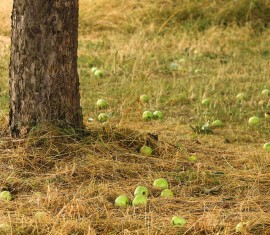
- When fallen apples appear, we check to see if any of them are large. If so, the harvest is ripe.
- Press down on the apple with gentle pressure. If the dent disappears, the fruit is not yet ready for picking. If the skin splits under your finger, you're too late and the apples are overripe. If the dent disappears, it's time to harvest.
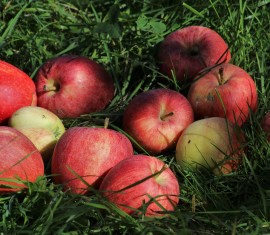
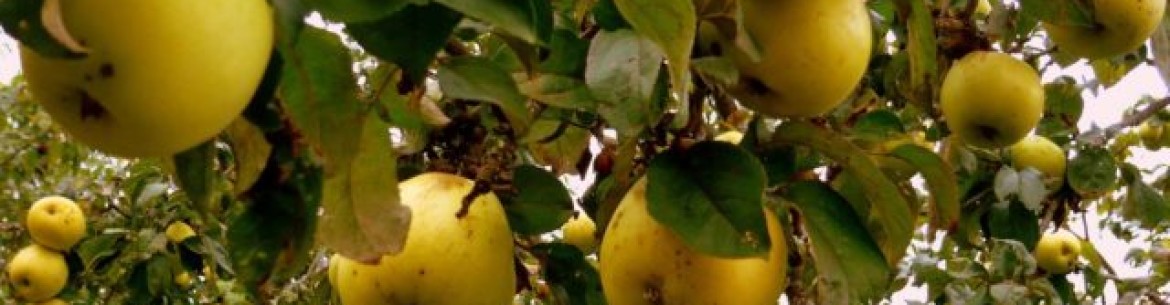
- Ripe Antonovka has an even bright color, there is no darkening on the skin. The pulp is cut The fruit is light-colored and has dark brown seeds. The fruit itself has a sweet and sour taste.
- You can determine the ripeness of the harvest chemically. To do this, prepare a solution of water, iodine, and potassium iodide. Cut the apple and drip the resulting solution onto it. Starch, which is abundant in unripe fruits, reacts with the iodine. cut If the apples have turned blue, they're not ready for picking. A yellow cut indicates they've been overripe. Ideally, they'll have a yellow center and a blue edge—it's time to harvest.
There are specially prepared chemical kits for testing apple ripeness. They work on the same principle as iodine solution.
When to harvest
 Antonovka, due to its varietal characteristics, is a late-fruiting variety, so you shouldn't typically expect its harvest to finish before the end of September. However, the harvest time may vary depending on the weather conditions in the region where the tree is grown.
To accurately determine the time to harvest fruit, it's important to distinguish between consumer and harvestable ripeness. Consumer ripeness refers to the fruit's state when it's fully ripe and softened. Once harvested, apples can begin the canning process immediately.
In Antonovka, this condition occurs from mid to late October.
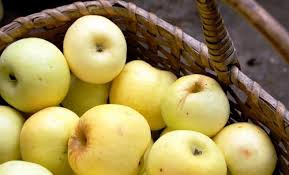
At harvest maturity, apples are not yet fully ripe; they have a firm texture and high levels of acids and sugars. This time is ideal for harvesting and transporting. This period typically occurs in late September to early October. Harvesting maturity is also signaled by the apples' appearance, which gradually begins to turn yellowish.
You shouldn't wait for the apple to turn completely yellow, because this indicates that it is fully ripe and has a short shelf life.
Apples harvested for storage should ripen in a container. Avoid picking them while they're still green, as they'll contain minimal amounts of beneficial vitamins and minerals and won't be able to replenish their nutrients.
In the northern regions
 For the northern regions of the country, the Antonovka harvest time shifts somewhat. The fruits reach peak ripeness only by the end of September, and sometimes as late as October. Even if the harvest hasn't reached full maturity, the harvest time shouldn't be delayed; it must be done before the first frost.
Moving the pome fruits to a cool place for storage will ensure that they gradually ripen and add sweetness to their flavor profile.
In the southern regions
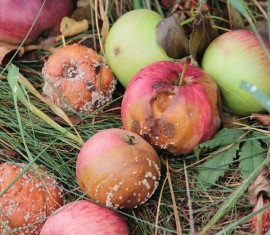
In the southern regions of Russia, the first Antonovka apples can be harvested as early as early autumn. To prolong the fruit's shelf life and edibility, they should be picked from the tree very carefully. Shaking the tree is highly discouraged, as falling fruit will hit the ground and become damaged, leading to rapid spoilage and rotting at the site of injury.
When to harvest Antonovka grapes for storage
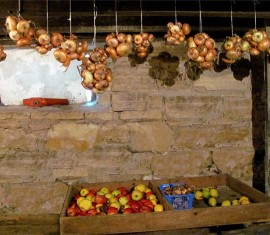
Antonovka apples intended for storage should be picked at the so-called "removable ripeness" stage. This will ensure a longer shelf life. Before picking the fruit from the trees, prepare storage containers; baskets or crates are ideal. They should be clean and completely dry. The center of the container should be lined with cloth or plastic and sprinkled with dry grass or sawdust.
This algorithm of actions will help keep apples free from the influence of moisture and preserve their marketable appearance.
The day before harvesting, you should also prepare the storage area. Clean it thoroughly, sweep away dust, and wash the floor with a disinfectant solution. Apples will last the longest in a cool, dry place.
It's recommended to begin harvesting Antonovka apples in the morning, when the dew has disappeared but the sun hasn't risen yet, to avoid heating the fruit. Dry weather is preferable during this agricultural process, as storing wet apples in containers is unacceptable.
Fruit picking begins from the lower branches, gradually moving towards the top of the tree.
When harvesting, it's important to gently press the top of the stem with your finger to avoid breaking the thin branch. If individual fruits fall to the ground during harvest, don't store them in the same container with the rest of the fruit. They typically have poorer shelf life.
In the temperate climate zone, Antonovka apples are usually harvested in late September or early October. If harvesting conditions are met, fruits picked at this time will have a long shelf life. Store in a cool, dark, and dry place. The optimal storage temperature is below 0°C.
In the Moscow region
It's hard to imagine a Moscow region orchard without Antonovka apples. Here, this apple variety is as common as grapes are in Georgia. Moscow region Antonovka ripens by early September. That's when it's time to harvest this classic variety. If the fruit is intended for jam or compote, it's best to pick it a little earlier, while it's still white and green.
To store them, you should wait until yellowish spots begin to appear on the apples.
In the Urals
When collecting Antonovka on Urals You should also pay attention to consumer and harvest readiness. The former occurs when the fruit has become softer and occurs around the end of AugustAnd here is the second one - according to the dates for the beginning of September.
In the Leningrad region
Harvesting in the Leningrad Region must begin on time, as delays can result in overripe grapes, while rushing too much can result in a complete lack of rich flavor. Antonovka grapes traditionally ripen here in late August and September. There's no strict harvest schedule; the harvest time is usually adjusted based on seasonal weather conditions.
Fruit harvesting should begin between late September and mid-October. If harvesting procedures are followed, the harvest will last until early spring.
In Udmurtia
Finally, in Udmurtia, it's best to plan to harvest Antonovka berries around early to mid-September. It's recommended to pick the berries yourself from the tree, before they fall.