How to tell if apples are ripe for harvesting or storing: 7 signs
Apple harvesting timing is crucial. The ripening time depends on the variety, weather conditions, and the fruit's position on the vine. The condition of the fruit when you store it determines how it will hold up until spring. Picking apples early or late is undesirable. Check the ripeness of your fruit carefully. Follow our tips to ensure you'll have delicious and flavorful fruit on your table year-round.
Content
How to determine the ripeness of apples
Autumn is harvest time. It's important to pick on time. Delays will result in overripe fruits, while rushing will result in inferior fruit quality.
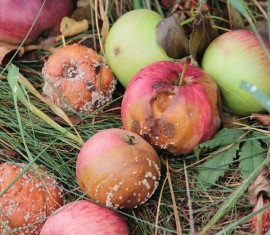
- wrinkling due to loss of moisture;
- surface drilling;
- subcutaneous spotting.
Ripeness is determined by several indicators:
- the time of the beginning of mass flowering;
- fruit coloring;
- seed color;
- apple density;
- starch content.
They break off easily
 Ripe apple:
- easy to remove from the branch without effort;
- falls by itself from the wind.
An unripe apple sits firmly on the branch. It is removed with force.
The fall has begun
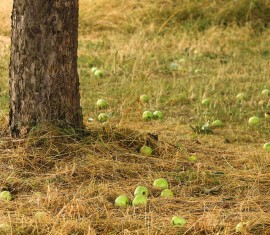
The ripening of the harvest is accompanied by the appearance of fallen fruit. Keep an eye on how many fruits begin to fall to the ground. If there are 5-10 healthy fruits lying under the tree, the apples are ripe and it's time to harvest.
Iodine test
A chemical method for testing ripeness is popular among gardeners. This method uses iodine to determine the starch content in the apple pulp. As the apple ripens, it is reduced or removed. To determine starch, use:
- 1 liter of water;
- 1 g iodine;
- 4 g potassium iodide.
Combine everything. Place half a cut apple into the solution or drip it onto it. cutIodine changes the color of starch. Observe the color:
- turned blue - the fruit is not ripe yet;
- the middle is yellow, the edge is blue - normal ripeness, you can harvest;
- the entire surface is yellow - the apple is overripe and is only fit for eating.
Changes in peel color
Skin color change is an important indicator of fruit ripeness. Picking maturity is indicated by a change in color:
- the color of the skin near the stalk becomes lighter;
- green color turns yellow;
Some apple varieties are red before ripening, and the green color turns yellow after a few months of storage.
Touch test
When ripe, an apple reacts differently to finger pressure. A finger creates an indentation:
- the damage has been restored and leveled out - the fruit is not ripe;
- the skin on the dent has cracked and come apart under your finger - the apple is overripe and is only suitable for processing;
- the dent remains unchanged - it's time to harvest, the apple is good for storing.
For winter storage, it's better to under-store winter varieties than over-store them. Over-ripe varieties will rot.
Ripeness by seeds
The color of the seeds indicates ripeness. Apples with dark brown seeds are ready to pick. Fruits with white seeds are not yet ripe.
In early varieties seeds They remain light or darken until ripe. It is important to know the apple variety.
Taste test
Taste the apple. If it matches the variety description, it's ready to harvest. The flesh should be sweet or sweet-tart, depending on the variety, and tender. A ripe fruit is softer than an unripe one.
Some apple varieties become sweet after a few weeks of storage.
How to determine when to store apples
It's important not to delay harvesting, nor to harvest prematurely. Fruits picked on time develop their flavor and color during storage, characteristic of the variety. Fruits picked early become wrinkled and flabby. Fruits picked late quickly lose their flavor and useful propertiesApples need to be stored for a long time and retain their quality. This depends on the degree of ripeness and variety of the fruit.
The ripening time of the crop depends on many factors:
- varieties;
- weather;
- crown lighting (pruning);
- age of the tree.
Weather conditions will affect the quality of the fruit. Rainy and cool weather will cause wateriness, reduced sugar and vitamin content, and increased ripening time.
It is better to pick unripe apples than overripe ones.
Apple ripeness levels
Fruits go through three stages of ripeness during their development. These stages are determined by the biological processes occurring within the fruit:
- RemovableAt this stage, the fruits accumulate sufficient nutrients and growth ceases. Starch is converted to sugar. The fruits ripen after harvesting. The harvest is collected for storage. The fruits keep well.
- TechnicalThe fruits are used processingThey have good juice production, so they are used to produce wines, purees, juices, etc. The fruits retain their shape during cooking.
- ConsumerThe apples acquire all the properties and external characteristics of the variety (appearance, taste, aroma, and flesh). The degree of ripeness is typical of summer varieties. The fruits are ready for use within 3 weeks of harvest. They cannot be stored.
- Physiological. Seeds The fruits ripen and are ready for harvesting and sowing. The fruits lose their quality, become soft, and lack starch.
The duration of these periods depends on the variety and weather conditions. For autumn-ripened apple varieties, the transition from harvest to consumer maturity lasts 2–4 weeks, while for winter varieties, it takes 1–3 months or more.
It's important to keep up with the timing at each stage of ripeness. Delays will reduce the shelf life by almost two months.
How to determine the harvest time
Picking maturity will affect the shelf life of the fruit. The most accurate way to determine harvest time is to count the ripening days indicated in the variety description from the start of apple tree blossom. Weather will play a role, but the difference between the calculated ripening date and the actual ripeness will be a few days.
The ripening time for an unknown variety will be the same every year. Record the harvest date for future reference. If you know the apple variety, you can find out its ripening time for your area.
For long-term storage, it's best to pick fruits before they're fully ripe, otherwise they'll quickly spoil. Picking them early will affect their flavor; they'll be hard and sour.