What to plant in a small garden
A modestly sized country house space often feels cramped and confined. However, in most cases, this problem is solvable: the feeling of being in a box is easily overcome.
Content
Secrets of zoning a small plot
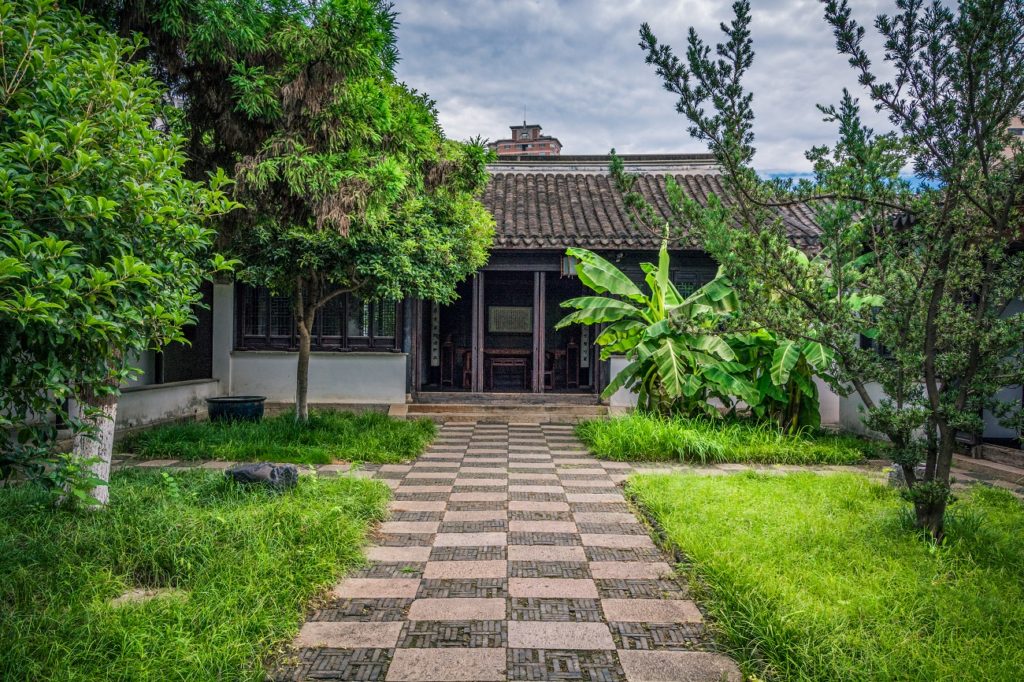
First, you'll need to compare your dreams with reality and determine what you really need in your plot. The size of the zones can vary depending on the owners' preferences. Some aren't interested in growing vegetables, but they can't imagine relaxing with family and friends. Others value the aesthetics of a garden, so they plant most of their zones with ornamental plants.
Design nuances: how to visually expand space
A lawn, flowerbed, path, or pond will visually enlarge the garden space. Another technique is to divide the garden into sections using hedges. When designing a path, consider what it will loop around. This could be a pond densely planted with plants, an artificial hill, or an orchard.
When landscaping a garden, it's important to consider the laws of linear perspective. Large trees and shrubs are planted near the edges of the plot, while low-growing ones are planted closer to the plot. This will prevent the creation of strong shadows and damage to the house's foundation. The view is unobstructed: everything deep within the garden is visible.
Principles of selecting plants for a small area
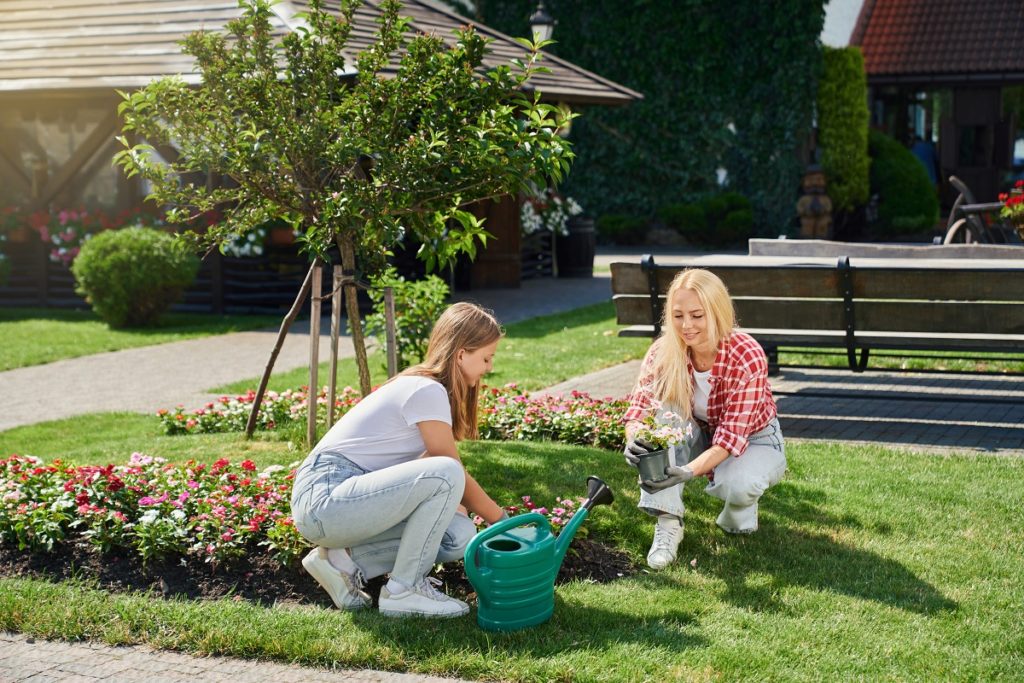
Landscape designers have singled out the basic rules into a separate group.
Choose plants that grow quickly
These include periwinkle, catnip, carnation, and daylily. The gardener saves significantly on seed and quickly plants the area.
Consider the aggressiveness of plants
Sandy lyme grass is a beautiful plant, but it's accustomed to being the "king" and will quickly displace other crops. Alternatively, you could develop a system of boundaries to prevent one from dominating them all.
Select plants that vary in decorative value.
To create a dynamic effect, it's important to use both flowering and foliage plants. The latter include hostas and heucheras. The former include coreopsis and yarrow.
Plant bulbs and primroses
A variety of tulips, daffodils, and lungworts will add color to your garden starting in early spring. Even before the snow melts, bright splashes of color will already adorn the garden.
Don't overcrowd your mini garden
It's best to select plants of the same species but different varieties to distinguish them by color and size. This will create a unified composition throughout the garden, creating a cohesive picture.
What plants are suitable for a mini garden?
Once the general design guidelines have been established, the question of specific plant species arises. There are several surefire options.
Western thuja
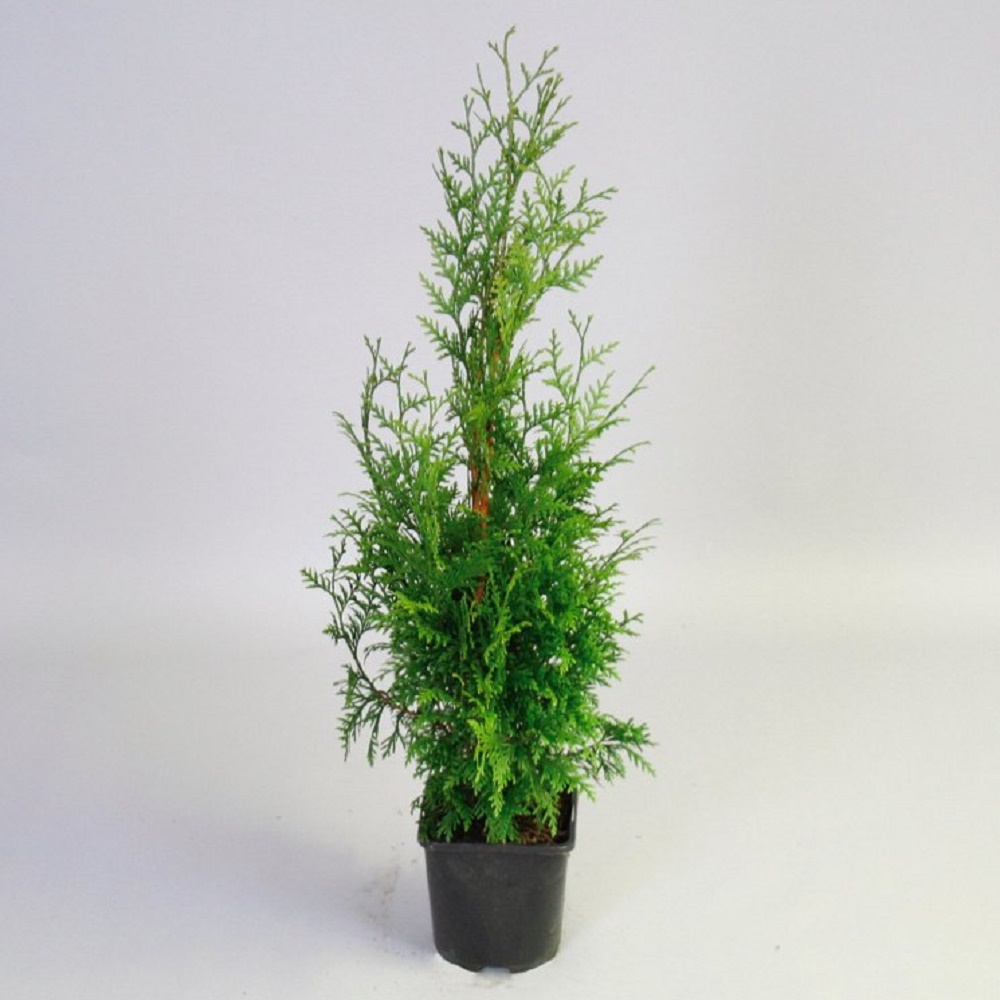
This ornamental evergreen plant belongs to the cypress family. The root system typically extends no more than a fifth of the trunk's length. Fine needles cover the branches like tiny scales. Flowers are small cones with two seeds. Interestingly, a large number of flowers indicates unsatisfactory growing conditions.
Dwarf spruce

Dwarf spruces look identical to their adult counterparts. They're available in miniature sizes. They don't take up much space and lend themselves well to garden arrangements. They survive winter well and can be used as potted Christmas trees for the holidays. Their main drawback is their vulnerability to hybrids.
Hydrangea paniculata
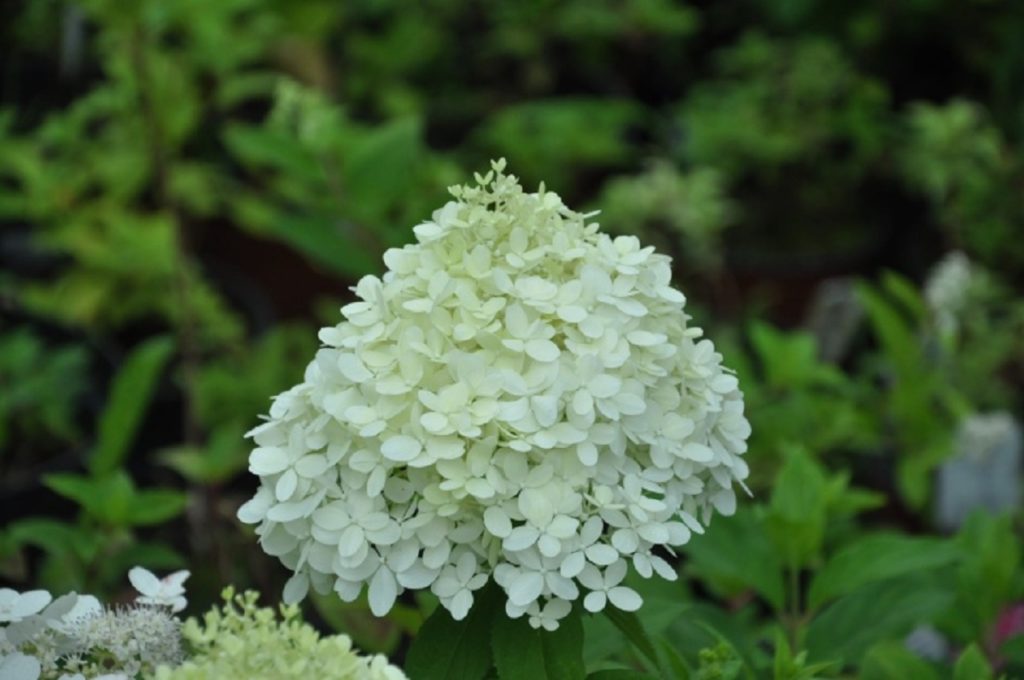
This shrub can grow in the garden for over half a century. Hydrangea's signature feature is its lush blooms. They come in a variety of colors: white, cream, pink, and purple. Blooming period extends from July to late autumn. However, patience is required: the first bloom usually occurs five years after planting.
Barberry Thunberg
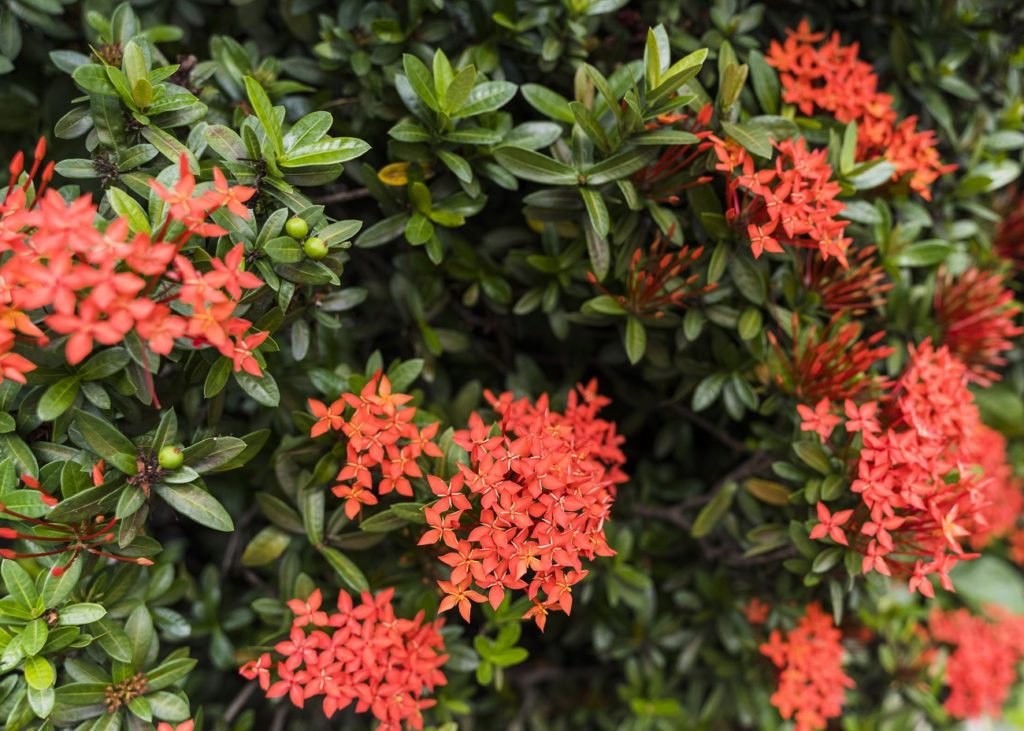
This species is most often cultivated in gardens as an ornamental plant. The plant is a deciduous shrub. It has ribbed, arched branches, tinged with orange or red. As the shoots mature, they turn brown. Flowering occurs in the spring, with the shrub transforming by the end of May.
Even after the leaves have fallen, the bright red berries will remain on the crop for a long time.
Wild grapes
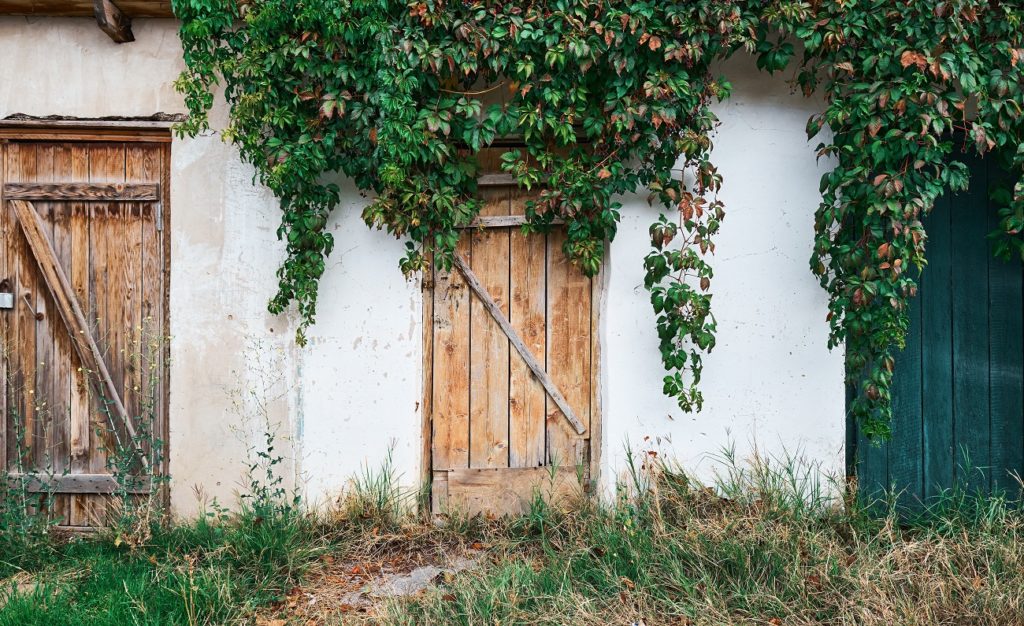
Top dressing Wild grapes need water in early summer. Any complex mineral fertilizer will do. Five waterings throughout the season are sufficient. Grapes require formative pruning. This is done to ensure the plant does not grow beyond its designated area. In early spring, the vines are cleared of frozen tips.
Dwarf lilac
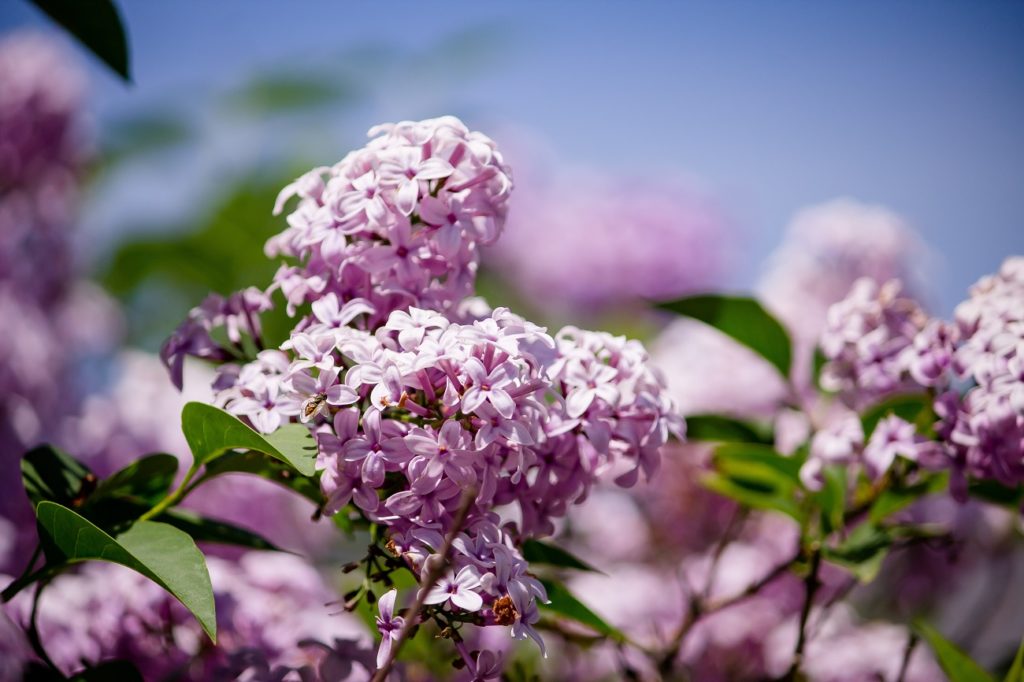
Dwarf lilacs can tolerate temperatures down to -40°C without requiring additional insulation. They are low-maintenance: one organic fertilizer lasts for three years. Root suckers and side shoots are pruned back to the ground to prevent overgrowth. This variety is an excellent choice for a hedge. Lilacs do not tend to become upright and have a compact habit.
Day-lily
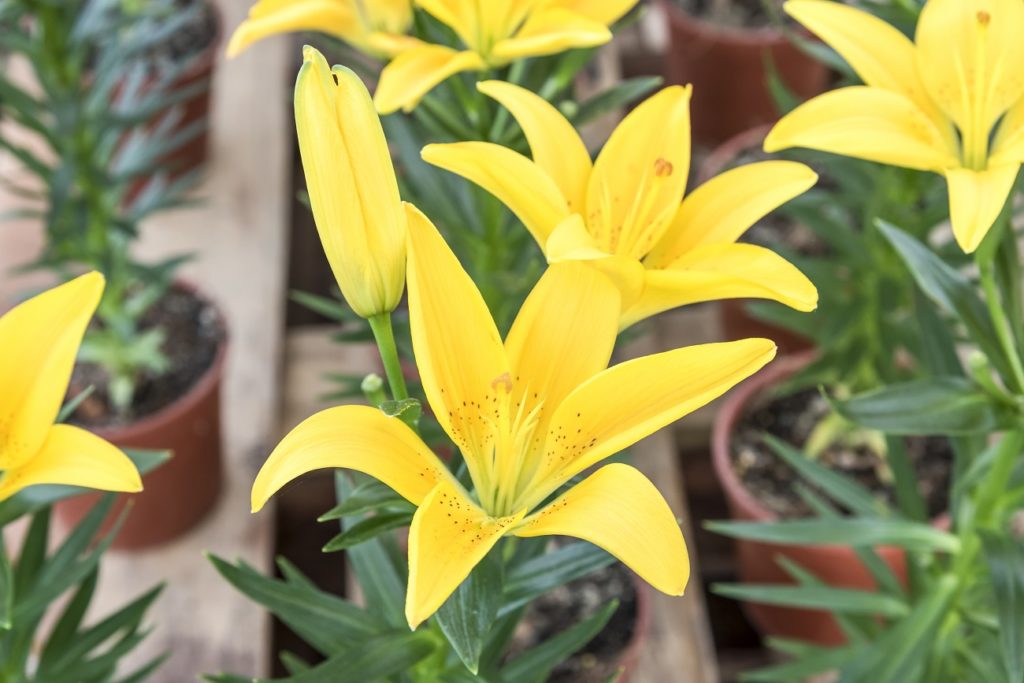
It is a herbaceous perennial plant. It can reach a height of one meter. It has a cord-like root system and curved leaves. Flowering typically occurs during the first thirty days of summer. The large flowers are distinguished by a rich color palette—from golden yellow to purple. They can be either a single color or a mixture of several shades.
Climbing rose

The shoots of roses are flexible and creepingThey are bright green in color, covered with curved spines and small, shiny leaves. Small flowers are usually gathered in inflorescences. Each variety has its own fragrance, but it is usually subtle. This species is distinguished by very long stems, with flowers arranged along the entire length. These roses bloom profusely and in large numbers.
Garden jasmine
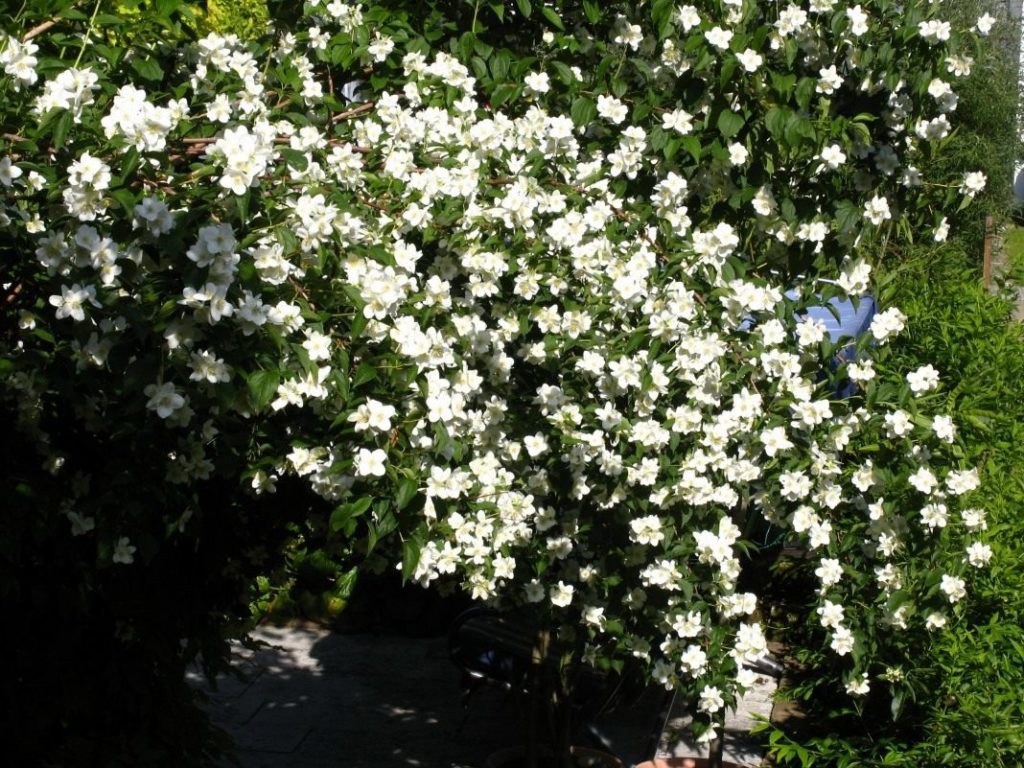
It is most often grown as an ornamental plant to beautify a plot. The shrub has an incredibly spectacular, lush foliage. crownDuring the flowering period, yellow or white flowers bloom on the branches. Jasmine thrives in both sunny and shady locations. Insects (especially bees) love to collect nectar from jasmine bushes.
During the flowering period, flowers contain the maximum amount of essential oils. But only those that have recently blossomed.
Reading this article should answer the questions in the "What to Plant in a Small Garden" section. Planting and growing should be a joy, and space is irrelevant.