Preparing Apple Trees for Winter in the Moscow Region: 10 Essential Steps
With the arrival of autumn, it's time to prepare the garden for winter. To ensure your apple trees don't freeze and delight you with a bountiful harvest next year, a comprehensive set of agricultural practices should be implemented.
Content
Autumn works
The autumn work package includes getting rid of pests, watering, leaf removal, spraying, mulching, insulation, and pruning of branches. Only if these rules are followed apple trees growing in the Moscow region, will successfully survive the cold season.
Pruning for winter
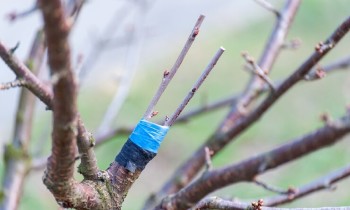
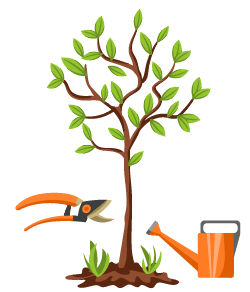 Before the onset of frost, it's time to prune branches and shape the crown. This period is characterized by the cessation of sap flow. It is recommended to remove dead branches completely. Living branches should be trimmed back by a third to prevent the crown from becoming dense. Cut must be done at an acute angle of approximately 400For this procedure, you should prepare sharpened and disinfected tools in advance. Pruning shears and hacksaws are excellent for this job.
Place cut we definitely cover it up garden pitch, and then coat the top with oil paint. All damaged branches are cut down to the trunk. The optimal height for apple trees is 3 m. The tree should be shaped like a bush.
Collecting leaves
Cleaning the root zone is crucial for the health of apple trees. In preparation for winter, all fallen leaves should be collected at least 3 meters from the tree's crown. At the same time, spoiled fruit should be removed and weeds removed. Although under normal conditions, foliage acts as insulation and nourishment for the root system, in the case of garden trees, it is more likely to cause harm than good. After all, when spring arrives, fallen leaves will begin to actively develop and multiply fungal spores.
Once the leaves have fallen, cleanup should begin immediately. If the trees haven't been attacked by insects or infected with various diseases all season, the collected leaves can be placed in a compost pile, which will mature for three years. By this time, all dangerous spores will have died. If the tree was diseased during the summer, it's best to burn the leaves.
Apple tree processing
 Preparing apple trees for winter includes treating the bark. Many pathogens prefer to hide in the old bark of the tree trunks.
Cleaning will significantly improve the health of your garden. To do this, you need to:
- spread paper or cloth under the tree being treated;
- the resulting mosses and lichens carefully remove using a garden tool;
- Treat damaged areas with garden pitch and paint over them with oil paint.
After cleaning, the entire trunk and branches are treated with a solution of ferrous sulfate, which can be replaced with copper sulfate in the same concentration.
Treat branches and the root zone with urea after leaf fall and 14 days before frost. Although this product is a nitrogen-containing fertilizer, it will not cause harm under these conditions.
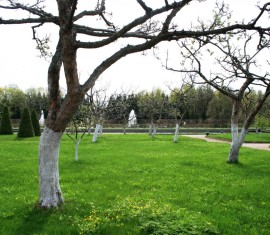
Next you should carry out whitewash Tree trunks with slaked lime, which will protect the bark from the sun's harsh rays, which can cause burns. It will also prevent cracking in freezing weather. For 10 liters of water, you'll need 3 kg of slaked lime, 500 g of potassium hydroxide, and 300 ml of wood glue.
When preparing young apple trees for winter, whitewash is replaced with chalk, and glue is replaced with milk. Whitewashing is carried out in dry weather, working upward to the first fork of the branches.
Digging
The next agricultural measure is a thorough digging of the tree trunk area. After all, it's in the upper layers of soil that the larvae of various pests hibernate. If the soil is left untouched, the next season will have to begin with a struggle to eradicate these uninvited guests.
Digging depth should not exceed 15 cm. Otherwise, the root system may be accidentally damaged. Outside the crown, dig to the depth of a shovel blade.
Watering
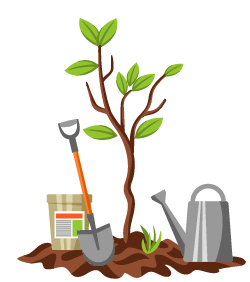 With the end of summer, seasonal watering of apple trees ceases. Soon, the process of active leaf shedding begins, and the growth of young shoots slows significantly. Before the onset of frost, a final watering of the root system is carried out in October, which is also part of the complex of agricultural measures to prepare for the cold.
Fill a small depression around the roots completely with water. Once the water has been completely absorbed, repeat the process. Thus, 200 liters of water should be added to one mature apple tree. Well-moistened soil will create favorable conditions for overwintering. However, if the summer was marked by a rainy season, autumn watering is not recommended.
Fertilizing apple trees
Autumn top dressing Apple trees thrive in combination with watering. This ensures that the applied fertilizer reaches the root system. Fruit trees should be fed with potassium and phosphorus in the fall. To do this, dissolve 1 tablespoon of potassium sulfate and 2 tablespoons of concentrated phosphorus fertilizer in 10 liters of water. If the apple trees are under 10 years old, one bucket per square meter is sufficient. For older trees, double the dosage is recommended.
When fertilizing in the fall, the use of nitrogen fertilizers is unacceptable. They will stimulate shoot growth before the cold weather sets in and weaken the tree.
Mulching
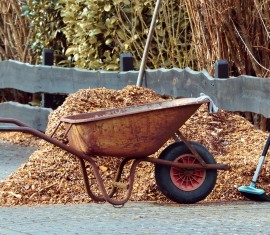
Another method for ensuring successful wintering of apple trees in the Moscow region is mulching the root zone. The layer of mulch used should be at least 5 cm thick.
It is recommended to use the following as mulch for apple trees:
- rotted manure;
- compost;
- peat;
- sawdust;
- bark;
- pine needles.
Keep in mind that sawdust and peat significantly increase the soil's pH. Therefore, it's better to use black sawdust, which is less acidic than brown sawdust.
Insulating an apple tree for the winter
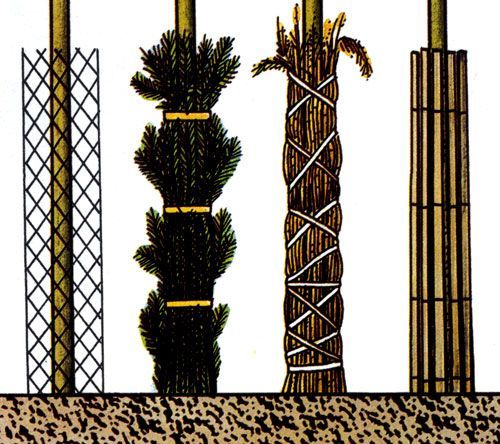 Preparing an apple tree for winter cannot be considered complete without insulating its trunk. The following steps are necessary:
- loosen the soil around the tree trunk;
- perform mulching.
- hill up young trees (the height of the hill should be 30 cm);
- wrap the trunk with insulating material and tie it with twine or wire in a soft braid;
- Snow has excellent insulating properties; it should be piled onto the trunk and compacted around it. This will also help protect the bark from mice.
Insulating seedlings for the winter
Apple tree seedlings require more attention during the warmer months and substantial insulation before the cold weather sets in. First-year trees can be insulated with the following materials:
- sackcloth;
- woven material;
- dry reeds;
- spruce forest;
- old stockings;
- roofing felt;
- pipe thermal insulation;
- spunbond;
- elastic mesh.
The procedure doesn't take much time. You'll need to secure the material you've chosen to the bottom of the seedling with tape or twine.
Protection from rodents
The final step in preparing apple trees for winter in the Moscow region is installing rodent protection. The trunks of young fruit trees should be covered before the first skeletal branches sprout.
The following materials will help protect the bark from cold and rodent attacks:
- sackcloth;
- old tights;
- rags;
- agrofibre;
- plastic bottles;
- spruce branches;
- foamed and regular polyethylene;
- thick toilet paper;
- roofing felt;
- spunbond;
- geotextile fabric;
- dry stems of reeds or sunflowers.
Installing objects that create various noise effects will also be effective. Poison bait and ultrasonic repellents are also particularly effective.
Columnar apple trees
Preparing columnar apple trees for winter requires special consideration; due to their physiological characteristics, they may be damaged even if you take all the preliminary protective measures.
In this type of apple tree, the terminal bud, located at the top of the main conductor, is considered the most important. Its freezing threatens the life of this columnar variety. Preparing this tree for frost in the Moscow region is especially diligent. It is recommended to completely wrap the apple tree in covering material, especially since its modest size makes this possible.
The first method
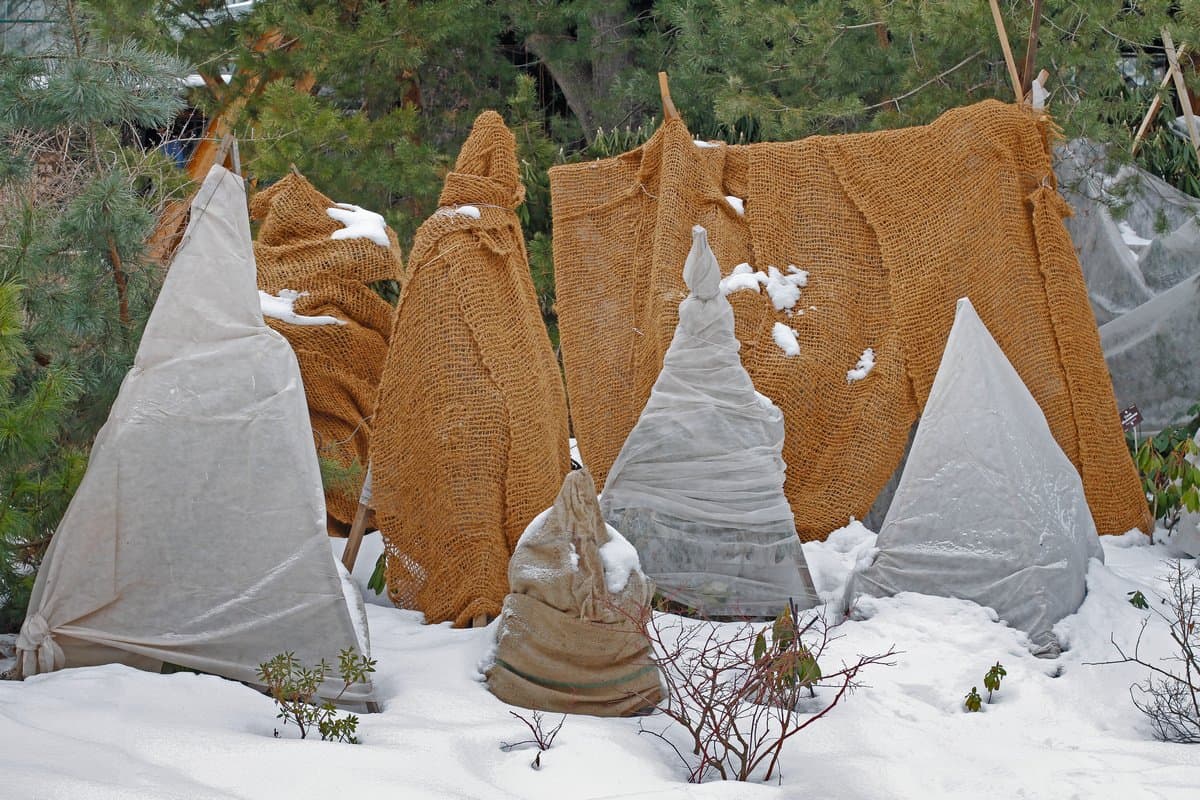 This agricultural measure involves constructing a pyramidal shelter. It consists of the following:
- take wooden planks;
- assemble them into a cone-shaped pyramid;
- cover the apple tree;
- add a layer of mulch inside;
- Wrap the pyramid with durable insulating material.
The second method
Preparing columnar apple trees for winter can involve not only insulating them but also staking them. A stake is driven into the ground near the tree, and the trunk of the fruit tree is tied to it. This method will help the columnar apple tree survive the milder winters of the Moscow region. support will not allow it to break from strong gusts of wind.
Conclusion
In the Moscow region, preparing apple trees for winter involves fertilizing, cleaning the root area, insulating the trunk with covering material, and treating with insecticides.