How to Dry Apples in the Microwave: How to Quickly Make Dried Fruit for the Winter
One of the most convenient ways to prepare apples for the winter is drying, which not only ensures long-term storage of the prepared ingredients but also preserves most of their beneficial components. The only drawback of this procedure has always been its time, but using a microwave oven significantly speeds up the cooking process.
Content
Can you dry apples in the microwave?
Although this method of drying sliced apples is used much less frequently than hanging the raw material outdoors or in an oven, preparing a healthy and vitamin-rich dessert in the microwave is quite acceptable.
Advantages and disadvantages
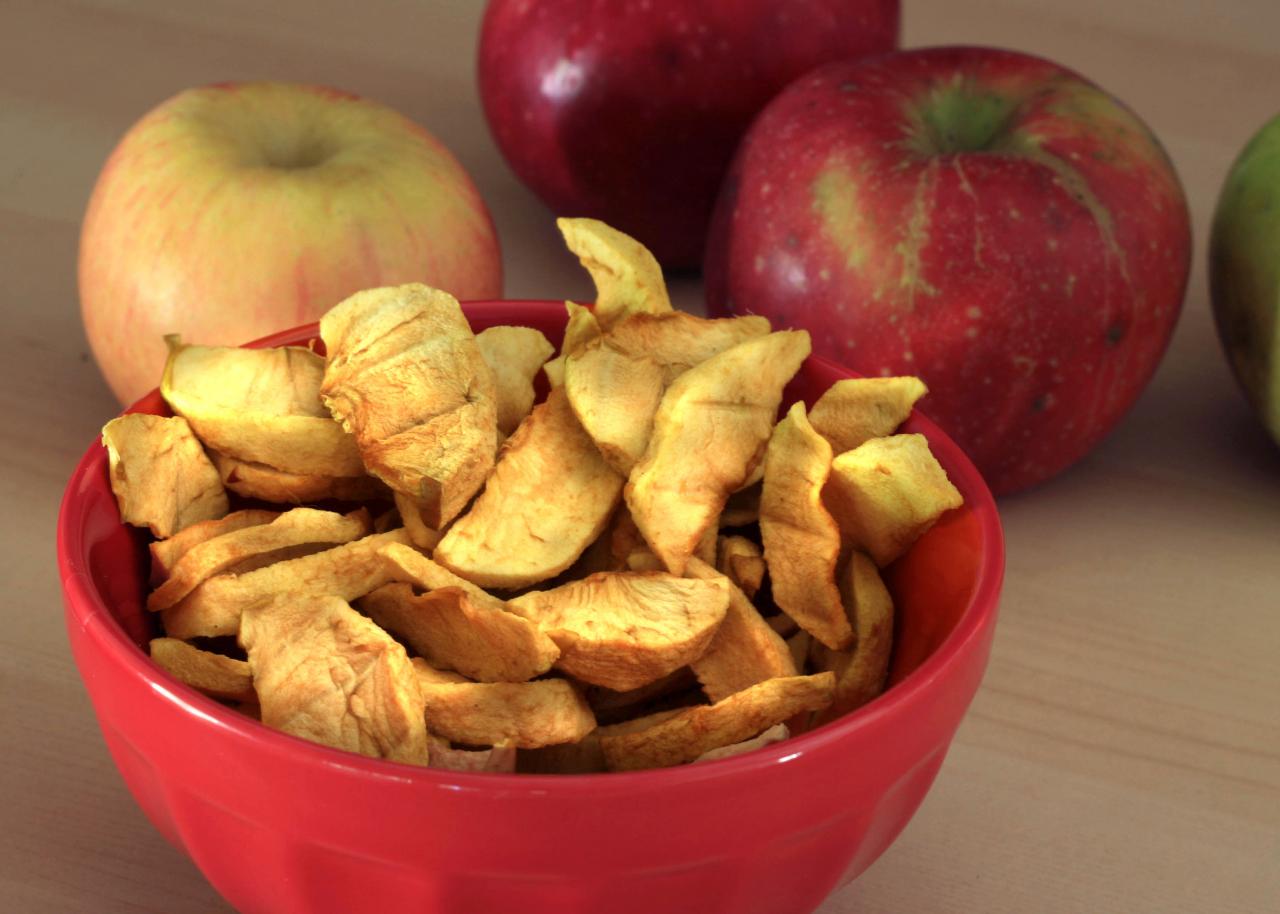
Microwaving dried fruit has several clear advantages over more traditional seasonal preservation methods. These include:
- speed of execution;
- accessibility;
- no need to purchase additional equipment;
- minimization of labor costs.
A significant advantage of using a microwave at home to prepare dried apples is the absence of heat generation during the processing of raw materials.
However, the method also has a number of obvious disadvantages. Namely:
- If you incorrectly calculate the time and power of the microwave, you can ruin the product;
- expenditure of large amounts of energy;
- small volume of raw materials processed simultaneously.
There are some concerns regarding the quality of dried fruit obtained through electric oven processing, as the effect of ultra-high frequency waves on the nature of liquid evaporation from the pulp is not yet fully understood.
Modern research fully confirms that processing apples in this manner does not make the final product harmful or hazardous to health. However, such intense heating can negatively impact the beneficial components of the pulp.
Which apples are best to choose?
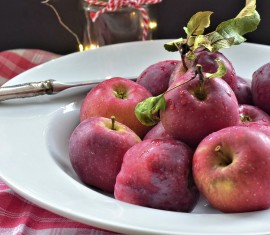
Both summer and autumn apple varieties are suitable for making dried fruit. The main criterion for selecting apples is ripeness, but without signs of overripeness. Perfect quality is not necessary, as damaged or wormy areas can be simply trimmed off during preparation.
It is permissible to use fallen fruits for making dried fruits.
To obtain dried fruit with excellent flavor, it's recommended to use sweet-and-tart and sour apple varieties, as only sweet ones will produce a bland product. Increased juiciness is also not beneficial for the raw material, as this property reduces the volume of the final product. Conversely, the more dry matter in the apple pulp, the more dried fruit you'll get.
Late-ripening apple varieties are best eaten fresh rather than dried. They have an extremely long shelf life and can be enjoyed almost all winter long.
The best dried beans come from the following varieties:
- Memory of Isaev;
- Pippin;
- Glory to the Victors.
Wild meat is also excellent for drying.
How to Dry Apples in the Microwave
Before microwave drying, prepare the apples properly. Wash the apples, then lay them out in a single layer on a towel to allow any excess liquid to drain.
Water on the surface of the fruit will only prolong the drying process, which will increase energy consumption when using a microwave oven.
There's no need to peel apples, as they're a treasure trove of vitamins and minerals. Furthermore, the peel helps preserve the integrity of the dried fruit and ensures a beautiful, aesthetically pleasing appearance. Be sure to inspect the fruit for any damage and remove any such areas. It's also recommended to soak the chopped fruit in a light salt solution (no more than 10 g per 1 liter of water). This will prevent the fruit from darkening during drying, extend its shelf life, and repel insects seeking to feast on your food supplies. Soaking time should be no more than 5 minutes.
The soaked fruits are first dried again and only then sent to the microwave for the main processing.
How to cut apples for drying
 Once the apples are washed, dried, and free of blemishes, you can begin slicing them. Unless you've soaked them in a salt solution, it's not recommended to prepare portions larger than can fit in the microwave at one time. Darkened and weathered flesh will produce an unsightly result.
Apples for drying should be cut into slices no thinner than 3 mm, otherwise you will get crackers that are unsuitable for consumption.
The shape and size of the apple pieces don't matter and depend on personal preference. Don't forget to remove the seeds from the future dried fruit.
How long to dry?
The main criterion to follow when drying apples is that the finished slice can be bent but not broken. Microwave cooking time directly depends on the volume of fruit loaded, the juiciness of the fruit, and the thickness of the slice.
During the first stage, set the timer for 3 minutes. This will be sufficient to prevent the fruit from drying out. After turning off the oven, check the fruit's readiness and, based on how close it is to final readiness, determine the duration of the next stage. This should also not exceed 3 minutes.
If the apple slices look slightly dried out after the first treatment, it is recommended to do subsequent cycles for no longer than 30 seconds.
At what temperature
It's not possible to set the temperature in a microwave oven; instead, there's a power control function. Therefore, to select the appropriate setting, it's important to understand the temperature range the ingredients can reach depending on the setting. For cooking dried fruit, it's recommended to use settings that are only 1-2 steps higher than the minimum.
While the maximum power level (800–1000 W) heats the food by approximately 100°C, the low power level (100 W) only heats it by 15–20°C. Most home cooks prefer to set the power to 200 W and control the cooking process by increasing the exposure time of the waves.