How many calories are in dried apples and are they suitable for a diet?
Content
Calorie content and BJU of dried apples
Dried apples – a delicious natural treat that retains all its vitamins and nutrients. In terms of antioxidant concentration, they are in no way inferior to fresh fruit. However, due to their low water content, they have a higher calorie content.
100 g of product contains:
- proteins – 2.2 g;
- carbohydrates – 59 g;
- fats – 0.1 g;
- dietary fiber – 14.9 g;
- water – 20 g.
Caloric content – 253 kcal (16.55% of the recommended daily intake).
Composition and benefits of dried apples
The chemical composition of dried apples includes:
- vitamins:
A, C, E, K, PP, group B; - beta-carotene;
- choline;
- potassium;
- calcium;
- magnesium;
- sodium;
- phosphorus;
- iron;
- manganese;
- copper;
- selenium;
- zinc;
- saccharides;
- starch and dextrins;
- dietary fiber;
- saturated fatty acids;
- polyunsaturated fatty acids.
Rich in vitamins and beneficial microelements, dried apples have a beneficial effect on all human structures and organs. Specifically:
- providing the body with nutrition and energy;
- normalization of the functioning of the intestines and other gastrointestinal organs;
- improving the condition of the skin, hair and nails;
- stimulation of the nervous system;
- increasing immunity;
- reducing the likelihood of malignant neoplasms;
- normalization of the functionality of the circulatory system;
- strengthening the walls of blood vessels and the heart;
- increasing the elasticity and flexibility of blood vessels, clearing them of cholesterol plaques;
- improvement of visual functions;
- strengthening the skeletal system.
Despite their high sugar content, dried apples have a relatively low glycemic index. Therefore, the product is suitable for people with diabetes (provided they are consumed in small quantities).
Harm
Eating dried apples from your own garden in unlimited quantities will be harmful to your health. The high fiber content is often the cause. flatulence, bloating, stomach pain and constipationIn addition, the high sugar content in dried fruits provokes the development of caries and weight gain. excess weightBefore including this product in your diet, it's worth considering several of its contraindications:
- exacerbation of gastritis;
- pancreatitis;
- individual intolerance;
- tendency to allergic reactions;
- gastric ulcer or duodenal ulcer;
- failure of the gastrointestinal system.
Nursing mothers should monitor their baby's reaction to detect digestive problems and allergies to dried fruit in a timely manner.
Is it worth eating dried apples on a diet and how much?
Dried fruits can be used for weight loss and include them in your diet. The product is virtually fat-free and rich in fiber, essential for weight loss. Thanks to their high sugar content, dried apples curb hunger and help avoid frequent snacking. They can also be used as a substitute for candy during your diet. The main rule is to stay within the recommended limits and avoid overeating.
Based on the research conducted, experts have proven that daily consumption of 20 g of dried fruit for 6 months helps to lose 2 kg of weight and reduce ¼ of the body's cholesterol.
Selecting and storing dried apples
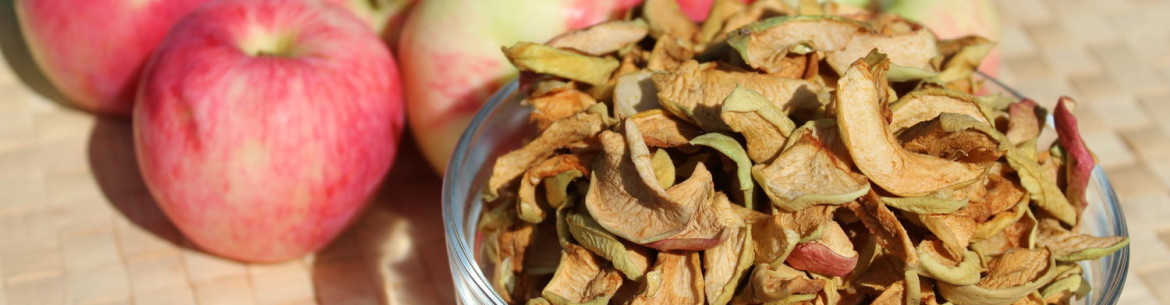
When choosing, it is recommended give preference to nondescript apple slicesThis is because a beautiful and very light product indicates a large number of chemicals were added to it during the drying process.
To protect dried apple slices from moisture, mold, and insects, they need to be stored properly. During the summer, the ideal place is balcony or loggia, where there is good air circulation. For this type of storage, the slices are covered with a clean cloth to prevent the beneficial substances from deteriorating under the influence of ultraviolet rays.
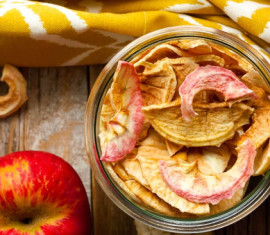
In winter dried fruits it's best to put it in glass/ceramic container or in linen bags and store in a dark place. The humidity level should not exceed 30%.
Storing in airtight containers requires following a simple rule: apple slices must be completely dry.
Periodically opening the lid for ventilation will help prevent excess moisture and mold. When stored properly, the product retains its original properties for 1 year.
How to dry apples at home
Dry You can grow apples yourself in one of the following ways:
- OutdoorsThis technology allows for the preparation of large quantities of dried fruit at one time. Drying is carried out exclusively in hot, dry weather.
- In the ovenApple slices dried using this method retain all their vitamins and nutrients.
- In the microwaveThis method involves using winter varieties, as dried fruit made from summer varieties is significantly inferior in quality.
For drying, it is recommended to choose large apples with thin skin and a small seed box.
The most suitable are considered to be sweet and sour varieties:fetch», «Antonovka" And "pippin".
Features of use
Despite their relatively low calorie content, a healthy adult can eat up to 6 cups of dried apples daily. This product is ideal as a replacement for regular desserts. The recommended daily intake for children under 6 is no more than 1 cup, and for children over 6, no more than 3 cups. Dried apple slices can be eaten as a stand-alone dish or used to make various drinks:
- compotes (promote the removal of phlegm and help get rid of cough);
- decoctions;
- infusions.
The slices are also added to dairy products, baked goods, muesli, and dry breakfast mixes. The dried fruit is also ideal for making the traditional Eastern jam "khoshav."
Dried apples are a healthy product, the correct use of which will help you preserve health.